What Is Jewelry ODM Customization And How Does It Work?
-
Jewelry ODM customization enables scalable design, production and branding solutions for global jewelry businesses.
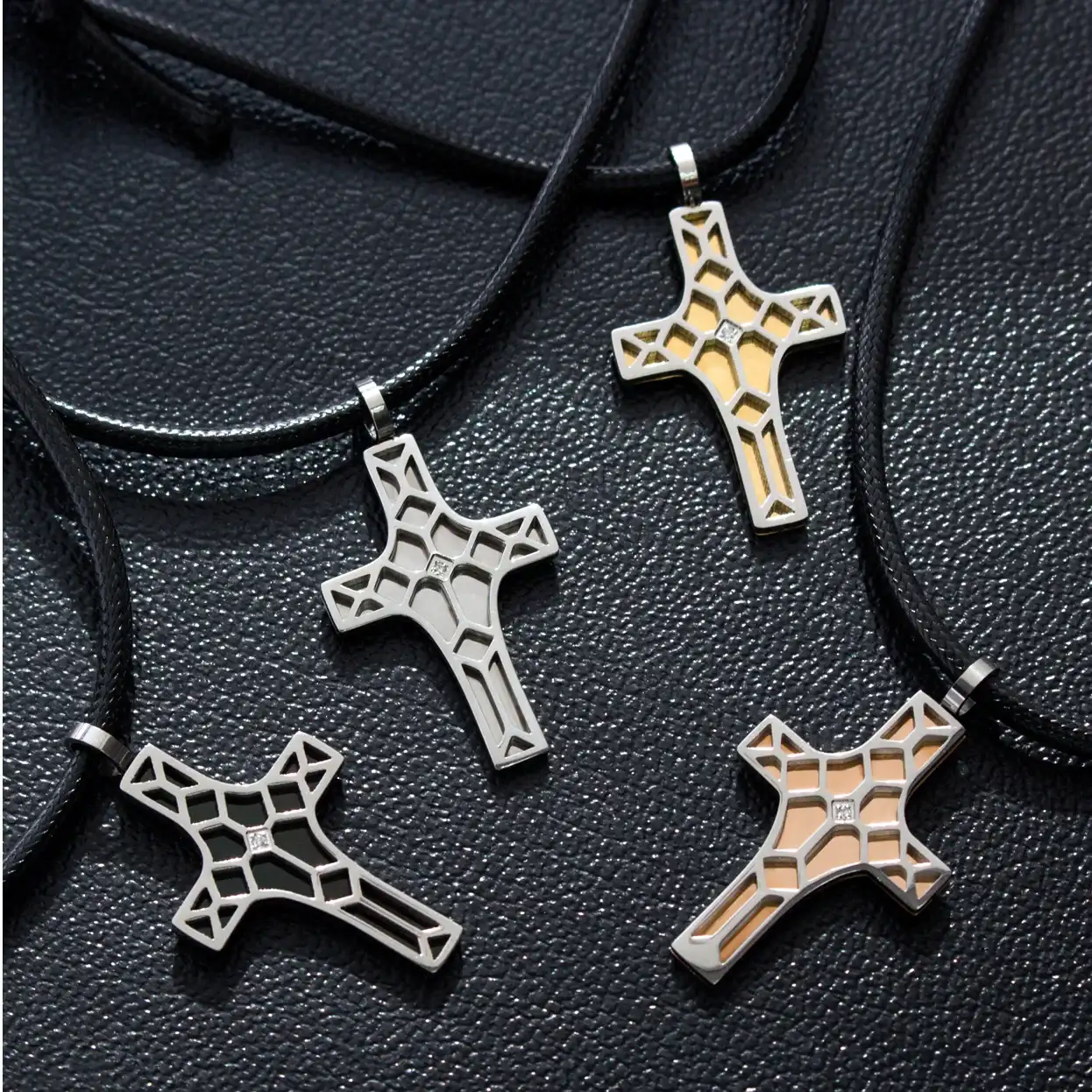
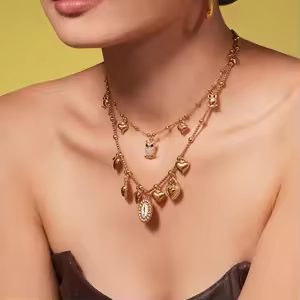
Jewelry ODM Customization plays a key role in modern B2B jewelry manufacturing networks. It allows brands to select pre-developed designs and adapt them for market needs. Manufacturers provide design libraries, engineering support, and scalable production systems. Brands reduce development pressure while maintaining product identity and positioning. This model supports fast expansion for wholesalers and private label companies. It also improves efficiency across sourcing and production cycles. Many global suppliers rely on this structure to serve diverse international buyers. Quality consistency remains central in this cooperation model. Engineering teams refine structures for durability and visual appeal. Market trends also influence design updates across seasonal collections. This model therefore becomes a strategic tool for competitive jewelry businesses.
Core Workflow of Jewelry ODM Customization Manufacturing
The workflow in Jewelry ODM Customization starts with requirement analysis from brand clients. Manufacturers evaluate target markets, materials, and price positioning. Design teams then adjust existing models or create hybrid concepts. Sampling follows with prototype production for approval cycles. Communication remains essential during revision stages for accuracy. Once approved, production planning begins with tooling preparation and scheduling. Mass production is executed under controlled factory systems. Final inspection ensures alignment with approved specifications. Packaging design is also integrated into the workflow. Logistics coordination supports global shipping requirements. This structured approach ensures predictable delivery timelines and stable output quality.
Materials and Craftsmanship in ODM Jewelry Production
Material selection defines durability and appearance in ODM jewelry systems. Stainless steel is widely used due to corrosion resistance and strength. Alloy bases allow flexible shaping and cost control. Surface finishing techniques include polishing, brushing, and PVD coating. PVD coating enhances scratch resistance and color stability. Stone setting processes require precision micro-fixing tools and skilled technicians. Heat treatment improves structural hardness for daily wear performance. Environmental testing evaluates oxidation and wear resistance. Designers balance aesthetics with long-term usability requirements. Engineering teams verify each batch for consistency before shipment. Craftsmanship standards directly influence brand reputation in competitive markets. High precision ensures stable product identity across large production volumes.
Quality Control Systems in Jewelry ODM Customization
Quality assurance is a critical stage in Jewelry ODM Customization operations. Inspection begins with raw material verification for chemical composition. Production lines apply in-process monitoring to reduce defect rates. Finished goods undergo visual and mechanical testing procedures. International standards such as ISO-based frameworks guide factory management. Dimensional accuracy checks ensure design compliance across batches. Surface inspection identifies scratches, coating issues, or irregular polishing. Tensile strength testing evaluates structural durability. Packaging integrity is also assessed before shipment. Continuous improvement systems support long-term manufacturing stability. Data tracking allows factories to optimize production efficiency. Quality control directly impacts customer satisfaction and brand trust levels.
| Stage | Inspection Focus | Key Method |
|---|---|---|
| Raw Material | Chemical stability | Spectral analysis |
| Production | Dimensional accuracy | Precision measurement tools |
| Final Product | Surface and durability | Visual and mechanical testing |
The table above explains how inspection stages are structured in manufacturing environments. Each stage focuses on different quality dimensions across production cycles. Material testing ensures stability before fabrication begins. Production monitoring reduces deviations during assembly and forming. Final inspection confirms product readiness for global shipment. These structured checkpoints reduce defect risks significantly. They also improve consistency across large-scale orders. Manufacturers rely on standardized testing tools for repeatable results. This system supports reliable delivery performance for international clients.
Market Applications of ODM Jewelry Systems
ODM jewelry systems support diverse commercial applications across global markets. Fashion brands use them to expand seasonal collections quickly. E-commerce sellers rely on stable supply chains for fast listing cycles. Wholesale distributors benefit from consistent product availability. Retail chains integrate ODM products into private label lines. This flexibility supports multiple pricing strategies and market segments. International buyers often request design variations for regional preferences. Production scalability ensures stable output during demand fluctuations. Branding elements such as logos and packaging are customizable. Manufacturers adapt designs based on market feedback loops. This responsiveness strengthens competitiveness in fast-moving jewelry industries.
- Product category expansion for fashion brands
- Private label development for retailers
- Bulk supply for wholesalers and distributors
- Cross-border e-commerce product sourcing
After evaluating these applications, one key advantage emerges clearly. ODM systems reduce time-to-market while maintaining design consistency. Brands can quickly adjust collections without full development cycles. This improves responsiveness in competitive retail environments. Supply chain stability also increases operational predictability. Manufacturers align production planning with market demand signals. This integration enhances both efficiency and profitability for business partners.
ODM Jewelry Design Flexibility and Branding Strategies
Design flexibility remains a core strength in ODM jewelry production systems. Brands can modify shapes, colors, and surface finishes. This supports unique identity building without full engineering costs. Designers often combine base models with new aesthetic elements. For example, customized personalized shell charms are integrated into seasonal fashion lines. This approach enhances emotional value and consumer engagement. Branding strategies focus on balancing originality with manufacturability. Manufacturers provide technical input to ensure structural feasibility. Packaging design also supports brand storytelling. Consistent visual identity improves customer recognition across platforms. jewelry ODM customization balance between creativity and engineering defines ODM success.
ODM Production Case Examples and Cost Structures
Cost efficiency plays a major role in ODM decision-making processes. Manufacturing scale directly affects unit pricing and profitability. Tooling reuse reduces initial investment requirements significantly. Labor distribution across automated systems improves output stability. Transportation and packaging also influence final pricing structures. Below is a simplified comparison of cost components in ODM production.
| Cost Component | ODM Model Impact | Efficiency Factor |
|---|---|---|
| Tooling | Shared design base | High efficiency |
| Labor | Standardized process | Moderate cost |
| Material | Bulk procurement | Cost reduction |
The table demonstrates how cost elements interact in production systems. Shared tooling reduces early development expenses significantly. Standardized labor processes improve operational efficiency. Bulk material procurement stabilizes pricing across batches. These factors collectively support scalable business models. Companies can optimize profit margins through structured planning. ODM systems therefore provide predictable financial frameworks for brands.
ODM Jewelry Innovation and Digital Manufacturing Trends
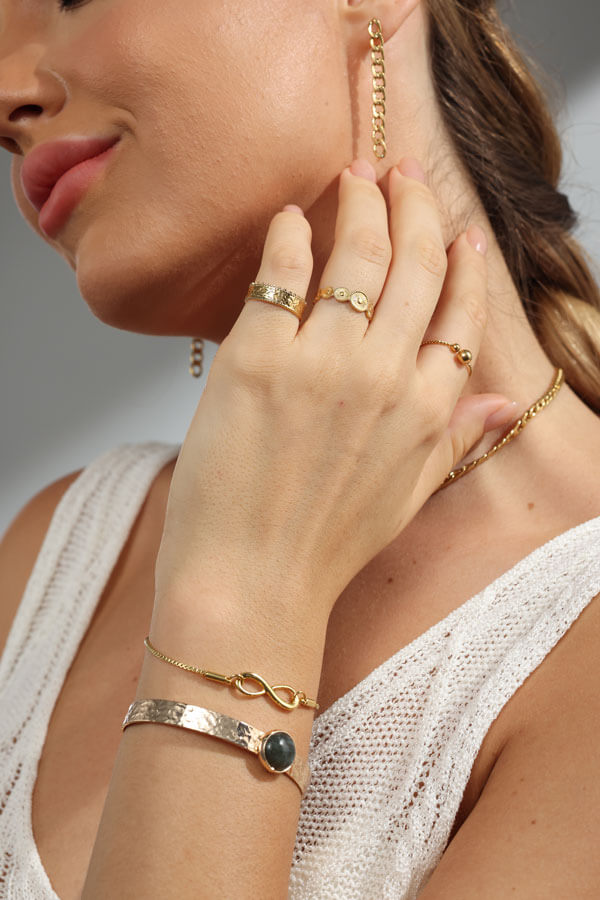
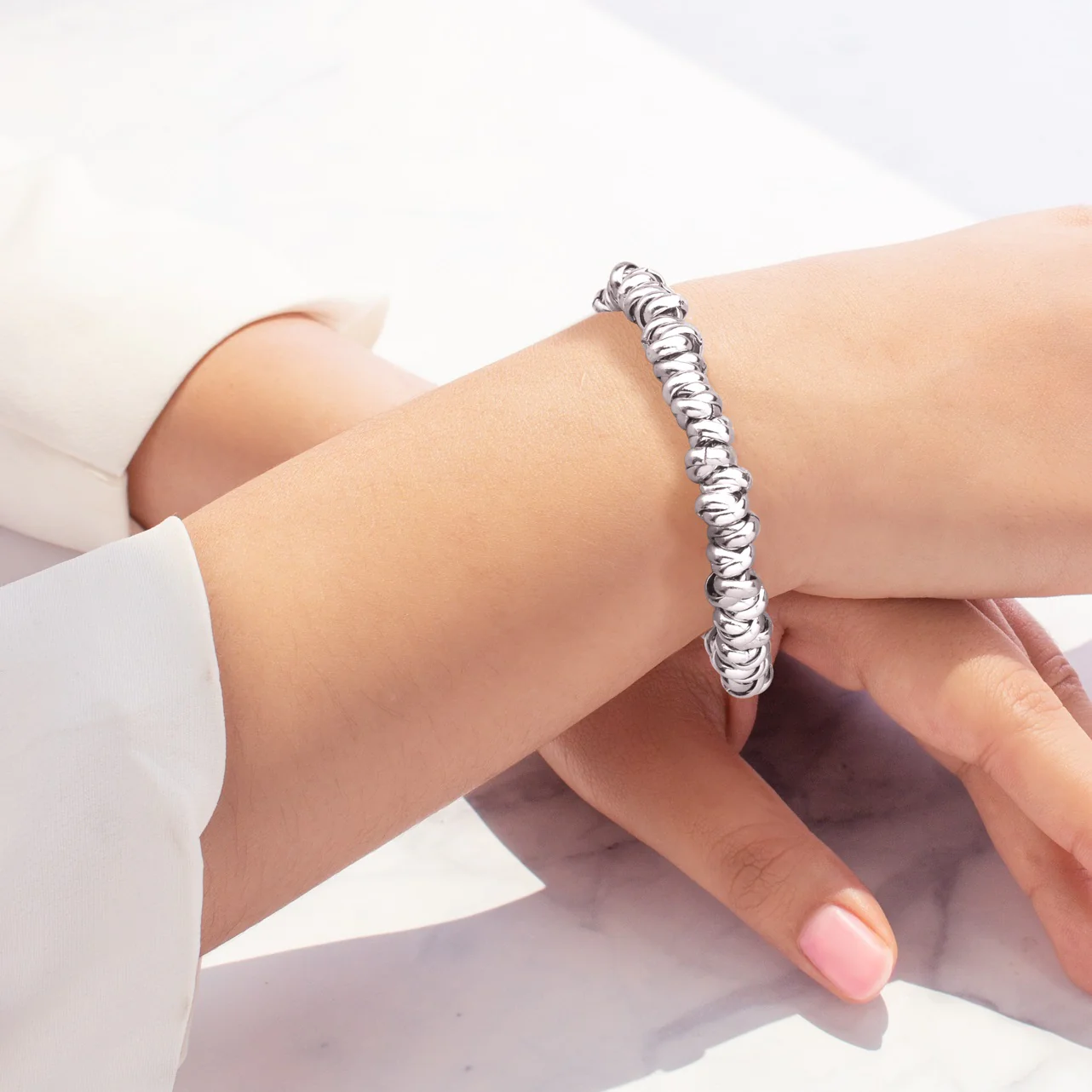
Digital transformation reshapes ODM jewelry production processes globally. CAD software enables precise 3D modeling before fabrication. Rapid prototyping accelerates sample approval cycles. Data-driven design improves market alignment. Manufacturers also adopt automated polishing and engraving systems. Sustainability trends encourage recyclable materials and eco-friendly coatings. Consumers demand more personalized design experiences. For instance, factory supplier new brand 18k gold plated bracelets reflect this shift toward accessible luxury.
Production tracking systems improve transparency across supply chains. Digital integration reduces communication gaps between stakeholders. Innovation continues to redefine efficiency and customization potential.
Strategic Value of ODM Jewelry for Global Brands
ODM jewelry systems offer long-term strategic advantages for global brands. They reduce product development risks significantly. Manufacturers provide engineering stability and scalable output. Brands focus more on marketing and distribution strategies. Supply chain integration improves operational coordination. Quality consistency supports brand reputation growth. Market responsiveness enables faster product updates. Many companies use ODM as a foundation for expansion. This model supports both entry-level and premium market positioning. Financial predictability improves investment planning for businesses. ODM structures therefore strengthen global competitiveness in jewelry sectors.
FAQ
What Is ODM Jewelry Manufacturing in Simple Terms?
ODM jewelry manufacturing refers to factory-designed products adapted by brands. It allows companies to select existing designs and customize them. Production responsibility remains with manufacturers, including engineering and quality control. Brands mainly focus on branding and market positioning activities. This model reduces development complexity and speeds up product launches. It is widely used in fashion and wholesale jewelry sectors. Manufacturers maintain design libraries and technical frameworks. Clients choose materials, finishes, and branding elements. ODM systems support scalable and efficient production cycles. It is especially effective for businesses seeking fast market entry.
How Long Does Jewelry ODM Production Usually Take?
Production timelines in ODM jewelry projects depend on design complexity. Sampling typically requires one to three weeks for development. Approval stages may extend timelines depending on revision cycles.Mass production usually takes three to six weeks. Material availability can also affect scheduling performance. Packaging customization adds additional preparation time. Shipping duration varies based on destination regions. Communication efficiency between buyer and factory improves speed. Complex stone setting designs may require extended production control. Overall timelines remain shorter than full OEM development projects.
What Products Work Best in ODM Jewelry Manufacturing?
ODM jewelry systems work best with standardized and semi-customizable products. Rings, bracelets, and necklaces are commonly produced under this model. Fashion accessories with repeatable structures are highly suitable. Seasonal collections benefit from fast design adaptation. High-volume retail products also perform well in ODM systems. For example, factory supplier new brand 18k gold plated bracelets fit scalable production needs. Lightweight designs reduce manufacturing complexity. Products with interchangeable elements support branding flexibility. Manufacturers optimize molds for efficient production cycles. This model supports both entry-level and premium jewelry categories.