What Is The Jewelry Sampling Process Explained?
-
Jewelry sampling process ensures design accuracy, material selection, and quality testing for reliable, well-crafted jewelry.
Why the Jewelry Sampling Process Matters for Consumers
The jewelry sampling process helps consumers understand how jewelry is tested before final production. It ensures designs meet expectations for quality, comfort, and appearance. Many buyers never see this stage, yet it shapes the final product. Brands use sampling to refine details and avoid defects. This process allows adjustments before items reach stores or online platforms. Careful sampling reduces the chance of disappointment after purchase. It also ensures consistency across collections. Consumers benefit from better craftsmanship and durability. Understanding the jewelry sampling process gives buyers more confidence when choosing products.
Key Stages in the Jewelry Sampling Process
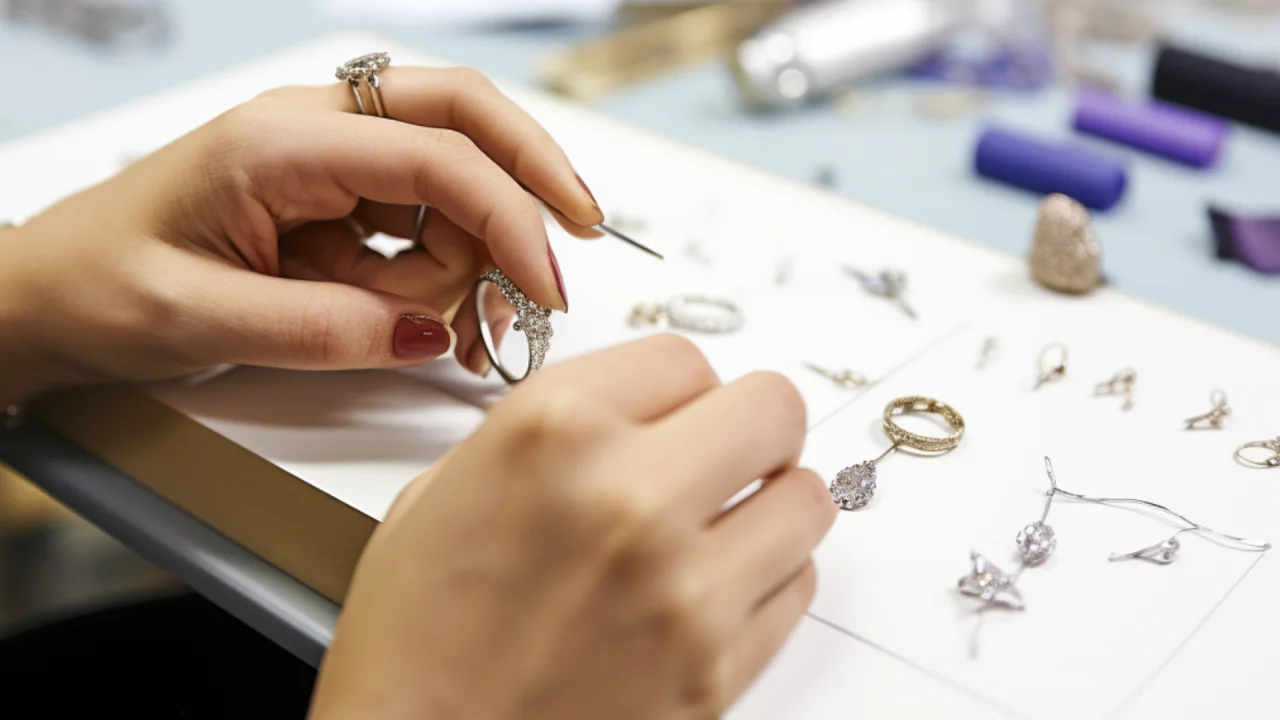
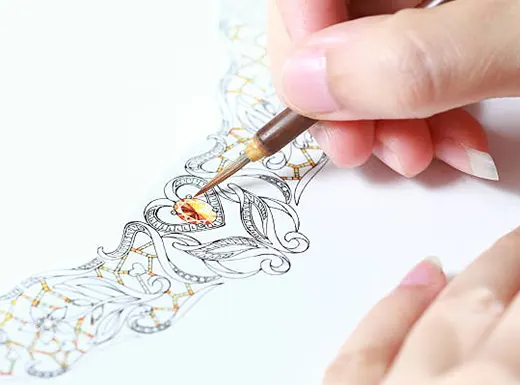
Every piece of jewelry passes through several important stages before production. Designers begin with sketches that reflect trends and customer preferences. Materials are selected based on quality, cost, and visual appeal. Prototypes are then created using digital tools or manual techniques. Initial samples are produced and evaluated carefully. Feedback leads to adjustments in design or materials. Each revision improves the final product’s accuracy and appeal. Clear communication ensures the design matches expectations. Timelines are managed to avoid unnecessary delays. This structured jewelry sampling process ensures reliable results.
How Design Accuracy Shapes Final Jewelry Quality
Design accuracy plays a major role in the quality of finished jewelry. Precise measurements ensure items fit comfortably and look balanced. Small errors can affect both appearance and usability. Designers focus on symmetry, proportions, and fine details during sampling. Accurate designs also support secure stone settings. Visual harmony becomes easier to achieve with proper planning. Adjustments during sampling prevent flaws in final production. Advanced tools help maintain consistency in every piece. High accuracy improves customer satisfaction and trust. The jewelry sampling process ensures designs meet high standards.
Materials Selection in Sampling and Its Impact
Materials strongly influence how jewelry looks and performs over time. Sampling allows testing of metals, coatings, and decorative elements. Some materials offer better durability, while others enhance visual appeal. For example, plated metals may look attractive but need proper finishing, especially in items like a Women’s Gold Stainless Steel Bracelet. Solid materials often provide longer-lasting performance. Sampling helps identify the best balance between cost and quality. Weight and comfort also depend on material choices. Testing prevents issues such as fading or irritation. Careful selection leads to better overall products. The jewelry sampling process ensures materials meet expectations.
Common Techniques Used During Sample Creation
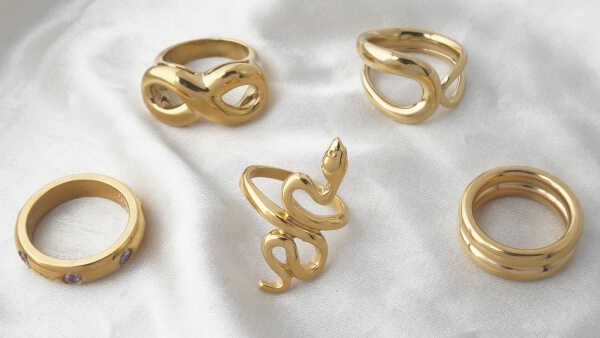
Manufacturers use various techniques to create detailed and accurate samples. Wax modeling is a traditional method for shaping complex designs. Modern technologies like 3D printing improve precision and speed. Hand-finishing adds texture and enhances fine details. Polishing techniques create smooth and shiny surfaces. Each method contributes to the final appearance of the piece, especially for intricate styles like a cross finger rings design. Combining techniques often delivers the best results. Understanding these methods helps consumers appreciate craftsmanship. Consistency in techniques ensures reliable outcomes. The jewelry sampling process relies on both tradition and innovation.
Key Stages in the Jewelry Sampling Process
Every piece of jewelry passes through several important stages before production. Designers begin with sketches that reflect trends and customer preferences. Materials are selected based on quality, cost, and visual appeal. Prototypes are then created using digital tools or manual techniques. Initial samples are produced and evaluated carefully. Feedback leads to adjustments in design or materials. Each revision improves the final product’s accuracy and appeal. Clear communication ensures the design matches expectations. Timelines are managed to avoid unnecessary delays. This structured jewelry sampling process ensures reliable results.
Typical Challenges in the Sampling Workflow
Sampling involves challenges that can affect timelines and quality. Miscommunication may lead to design differences between expectations and results. Material inconsistencies can impact appearance and durability. Revisions sometimes extend production time. Costs may increase when changes are required. Close attention during sampling helps reduce these issues. Clear instructions improve communication between designers and manufacturers. Regular feedback ensures progress stays on track. Careful management minimizes delays and errors. The jewelry sampling process benefits from strong coordination.
Benefits of a Structured Sampling Approach
A structured approach improves both quality and efficiency in jewelry production. It reduces risks associated with design errors or material issues. Consistent evaluation ensures each piece meets expectations. Clear steps improve communication and reduce misunderstandings. Sampling helps brands deliver reliable and attractive products. Faster adjustments lead to shorter development cycles. Consumers receive better quality and more consistent designs. Structured processes also support innovation in new collections. Reliable results build trust in the brand. The jewelry sampling process plays a key role in product success.
Jewelry Sampling Process vs Mass Production Differences
| Aspect | Sampling Stage | Mass Production |
|---|---|---|
| Purpose | Design validation | Bulk manufacturing |
| Volume | Low | High |
| Flexibility | High | Limited |
| Cost per Unit | Higher | Lower |
Sampling focuses on testing and improving designs before full production begins. It allows flexibility for changes and refinements. Mass production prioritizes efficiency and consistency across large quantities. Costs decrease during production due to higher volume. However, changes become more difficult at that stage. Understanding this difference helps consumers appreciate the effort behind each piece. The jewelry sampling process ensures products are ready for large-scale manufacturing.
Essential Steps Consumers Should Review Before Buying
Consumers can follow simple steps when evaluating jewelry quality.
- Check overall design and visual balance
- Examine surface finishing and shine
- Assess comfort and weight during wear
- Look for secure stone settings
- Review material details and durability
These steps help identify well-crafted products before purchase. Careful inspection reduces the risk of buying low-quality items. Consumers gain confidence when they understand what to look for. This awareness connects directly to the jewelry sampling process and its benefits.
Tips for Choosing High-Quality Jewelry
Selecting quality jewelry requires attention to several important factors. Buyers should research materials and craftsmanship before purchasing. Reading product descriptions helps clarify important details. Reviews from other customers provide useful insights. Comparing different brands improves decision-making. Visual inspection remains essential when possible. Choosing trusted sellers reduces risks of poor quality. Asking questions about materials and care also helps. Informed decisions lead to better long-term satisfaction. The jewelry sampling process contributes to the quality consumers expect.
Final Thoughts on the Jewelry Sampling Process
Understanding how jewelry is developed helps consumers make better choices. Sampling ensures that designs meet expectations before reaching the market. It improves quality, durability, and overall appearance. Careful testing reduces the risk of defects or inconsistencies. Consumers benefit from products that undergo thorough evaluation. Awareness of this process builds trust in brands and products. Better knowledge leads to more confident purchases. The jewelry sampling process remains an essential part of creating reliable jewelry.
FAQ
What is included in the jewelry sampling process?
The jewelry sampling process includes several stages that ensure quality and design accuracy. It begins with design sketches based on ideas and trends. Materials are selected to match both appearance and durability requirements. Prototypes are created using techniques such as 3D printing or handcrafting. Initial samples are produced and evaluated carefully. Feedback leads to design adjustments and improvements. Multiple revisions may occur before final approval. This process ensures the finished product meets expectations. Sampling helps reduce risks and improves consistency in jewelry production. Consumers benefit from better quality and more reliable products.
How long does the jewelry sampling process take?
The time required for the jewelry sampling process depends on design complexity and revisions. Simple designs may take one to two weeks to complete. More detailed pieces often require several weeks for accurate production. Material selection and prototype creation can also affect timing. Additional revisions may extend the process if changes are needed. Clear communication helps reduce delays and improve efficiency. Advanced technologies can speed up certain stages. Proper planning ensures smoother progress and better results. Overall, timelines vary based on design and production requirements. Patience during this process leads to higher-quality jewelry.
Why is sampling important before mass production?
Sampling is important because it ensures jewelry meets quality and design standards before large-scale production. It allows designers to identify and fix potential issues early. This reduces the risk of defects and customer dissatisfaction. Sampling also helps refine materials, finishes, and overall appearance. Adjustments made during this stage improve the final product. It ensures consistency across multiple pieces in production. Without sampling, errors may go unnoticed until it is too late. This process protects both brands and consumers from poor-quality products. The jewelry sampling process ensures better outcomes and higher satisfaction.