
What Makes A Good Handmade Style Jewelry Supplier?
-
Handmade style jewelry supplier key factors, quality, materials, pricing, packaging, compliance, and global wholesale sourcing insights.
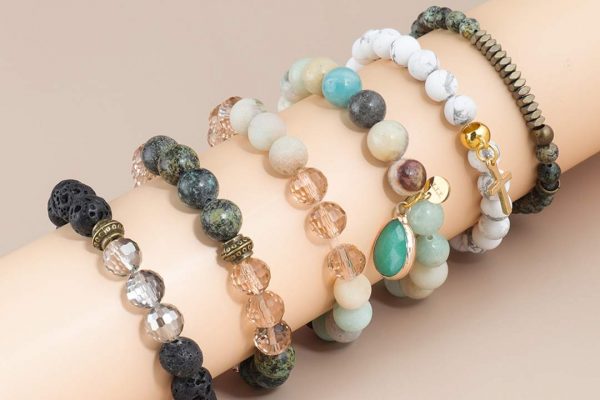
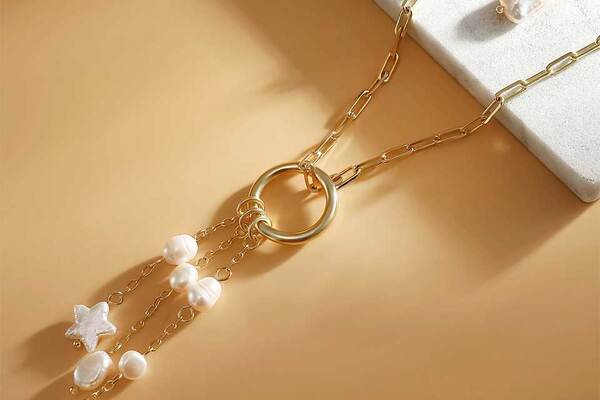
A handmade style jewelry supplier plays a critical role in global B2B sourcing networks today. Buyers demand consistent craftsmanship, scalable production, and stable communication channels. Many international brands rely on such suppliers for seasonal collections and long-term product lines. The balance between artisanal quality and commercial efficiency defines competitiveness in this market. A reliable handmade style jewelry supplier must also maintain strict material control and predictable lead times. Global demand continues to grow as consumers shift toward unique and semi-custom accessories. Suppliers that fail to maintain consistency often lose long-term contracts quickly. In this environment, trust and production discipline become essential success factors for sustained cooperation across regions.
What Makes a Good handmade style jewelry supplier in Global Trade depends heavily on operational structure and material integrity. Strong suppliers invest in skilled artisans and structured workflow systems. They also maintain flexible production lines to handle both small and bulk orders. Communication speed with overseas buyers significantly impacts order success rates. Many brands evaluate responsiveness before signing contracts. A professional handmade style jewelry supplier also integrates digital tracking tools for order transparency. These systems reduce errors and improve delivery predictability. Market leaders usually combine traditional craftsmanship with modern supply chain tools. This hybrid approach ensures both artistic value and commercial stability in competitive export markets.
Material Selection and Craftsmanship Standards in Jewelry Production
Material selection defines the durability and visual appeal of jewelry products in export markets. Common materials include brass, stainless steel, sterling silver, and alloy bases. Surface treatments such as electroplating and oxidation enhance product longevity. Skilled artisans refine each piece through polishing and assembly precision. A unique accessory like vintage metal eyeglasses chain rope demonstrates how material choice influences aesthetic storytelling. Craftsmanship standards also determine resale value in wholesale distribution channels. Buyers often request detailed material composition reports before ordering. Consistent finishing quality helps reduce return rates and increases brand reputation across retail markets globally.
Production Workflow and Manufacturing Control Systems
Production workflows in jewelry manufacturing follow structured stages from design approval to final packing. Each stage requires manual precision combined with controlled batch processing. Designers first prepare sketches and technical drawings for approval. Artisans then create molds or direct handmade prototypes.
A refined product such as copper gold plated vintage adjustable open ring requires careful plating control and polishing accuracy. Production supervisors monitor each batch to ensure uniform quality. Time scheduling plays a key role in fulfilling seasonal orders. Efficient workflow systems reduce production delays and ensure stable export performance across different markets.
Quality Inspection Standards in Jewelry Manufacturing
Quality inspection systems ensure product consistency before shipment. Inspection begins with raw material verification and continues through each production phase. Final checks focus on surface finish, structural stability, and plating thickness. Defect tolerance levels are usually defined by export standards. Many factories implement double inspection procedures for high-value orders. Visual inspection teams and mechanical testing units work together to reduce error rates. A strong handmade style jewelry supplier integrates these systems into daily production cycles. This approach significantly reduces customer complaints and strengthens long-term buyer confidence in wholesale cooperation.
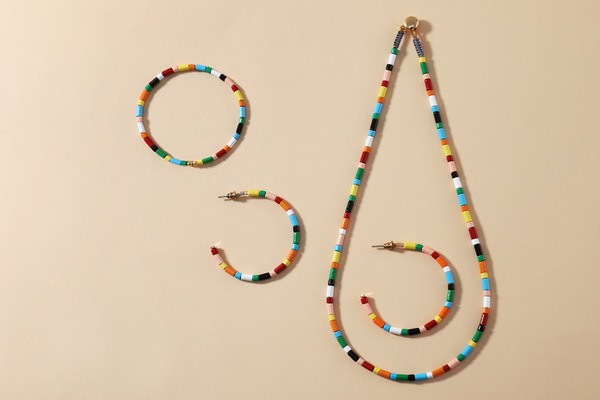
Product Range and Customization Capability
Customization capability defines how well suppliers adapt to different buyer requirements. OEM and ODM services allow brands to create unique collections. Design teams adjust molds, plating colors, and stone settings based on specifications. Sampling stages help buyers confirm design accuracy before mass production. A strong supplier can support both minimalist and complex design structures. Custom packaging and logo engraving are also common services. Flexibility in production increases competitiveness in global sourcing. Buyers often prefer suppliers that can quickly shift between design trends and seasonal demands without compromising quality standards.
Pricing Strategy and MOQ Structure for Wholesale Buyers
Pricing structures in jewelry manufacturing depend on material cost, labor intensity, and design complexity. Minimum order quantity rules help balance production efficiency and profitability. Larger orders typically reduce unit costs significantly. Negotiation often focuses on long-term cooperation agreements. A stable handmade style jewelry supplier usually offers tiered pricing models. These models reward repeat buyers with better margins. Transparent cost breakdowns build trust between suppliers and distributors. Market fluctuations in raw materials can also affect final pricing strategies. Buyers often evaluate both price stability and product consistency before finalizing contracts.
Packaging and Brand Presentation Solutions
Packaging plays a vital role in jewelry branding and customer experience. Protective materials prevent scratches and deformation during transportation. Many suppliers offer customized boxes with logo printing and branding inserts. Premium packaging increases perceived product value in retail environments. Strong visual presentation also enhances online marketing performance. Below is a structured list of common packaging options used in wholesale jewelry supply.
- Velvet jewelry boxes with magnetic closure
- Kraft paper eco-friendly packaging
- Custom printed logo pouch bags
- Transparent display trays for retail stores
Packaging design directly influences buyer perception and retail conversion rates. After packaging selection, suppliers often test durability under shipping conditions. This ensures that products arrive in perfect condition across international logistics routes.
Compliance Standards and International Trade Requirements
International compliance standards ensure safe and legal product distribution across markets. Regulations cover material safety, chemical restrictions, and export documentation. Key frameworks include EU REACH Regulation (EC) No 1907/2006 for chemical control, RoHS Directive 2011/65/EU for hazardous substances, CPSIA requirements in the United States for consumer product safety, California Proposition 65 warning rules for chemical exposure, and EU Nickel Directive 94/27/EC with EN 1811 testing standard for nickel release in jewelry. Many regions require nickel-free and lead-free certification for jewelry items. Testing laboratories verify compliance before shipment approval.
Suppliers must maintain updated certificates for customs clearance processes. Proper documentation reduces shipment delays and regulatory risks. Compliance also strengthens brand reputation in global retail channels. Buyers often prioritize certified handmade style jewelry supplier partners for long-term sourcing partnerships.
Logistics and Supply Chain Coordination
Logistics efficiency determines delivery reliability in wholesale jewelry trade. Fragile products require careful packaging and shock-resistant transport solutions. Air freight is often used for urgent shipments, while sea freight supports bulk orders. Lead time optimization depends on production scheduling and inventory planning. A well-organized handmade style jewelry supplier coordinates closely with freight partners. Real-time tracking systems improve shipment visibility for buyers. Inventory synchronization also helps prevent stock shortages. Efficient logistics management directly impacts customer satisfaction and repeat order rates in international markets.
Common Mistakes When Selecting a Supplier
Many buyers fail to evaluate production capacity before placing large orders. Others ignore batch consistency across different production cycles. Communication delays often lead to misunderstanding of design requirements. Some buyers also underestimate the importance of sample verification. Poor supplier selection can result in delayed shipments and inconsistent product quality. A careful evaluation process reduces long-term operational risks. Experience in handling international orders is also a key selection factor. Buyers should prioritize suppliers with proven export history and stable production systems.
Supplier Performance Comparison Table
| Evaluation Factor | High-Level Supplier | Low-Level Supplier |
|---|---|---|
| Production Stability | Consistent batch output | Frequent delays and variation |
| Quality Control | Multi-stage inspection system | Single-stage basic check |
| Communication Speed | Fast response within 24 hours | Delayed or inconsistent replies |
Supplier performance evaluation helps buyers identify reliable partners in global sourcing. Strong suppliers maintain consistent output quality across all production cycles. Weak suppliers often struggle with coordination and quality variation. This comparison highlights the importance of structured evaluation before cooperation begins.
Material and Process Comparison Table
| Material Type | Processing Method | Final Effect |
|---|---|---|
| Brass Alloy | Electroplating | Bright gold finish |
| Stainless Steel | Polishing | Modern matte shine |
| Copper Base | Oxidation treatment | Vintage antique tone |
Material processing directly influences jewelry appearance and durability. Different metals require specific finishing techniques to achieve desired effects. Proper process control ensures stable visual consistency across production batches.
FAQ
What defines a professional handmade style jewelry supplier?
A professional supplier demonstrates stable production systems and strong craftsmanship control. It also maintains structured communication with international buyers. Quality consistency across multiple batches is a key indicator of reliability. A strong supplier invests in skilled artisans and inspection systems. It also provides transparent documentation for materials and production processes. Long-term cooperation usually depends on trust and performance stability. Buyers often evaluate response speed and sample accuracy before placing bulk orders. These factors together define professionalism in global jewelry sourcing.
How can buyers evaluate product quality before ordering?
Buyers usually request physical samples before confirming large orders. Sample evaluation includes material strength, surface finish, and color consistency.