
What Makes A Private Label Fashion Jewelry Manufacturer Best?
-
Private label fashion jewelry manufacturer selection ensures quality, custom designs, reliable production and brand growth support.
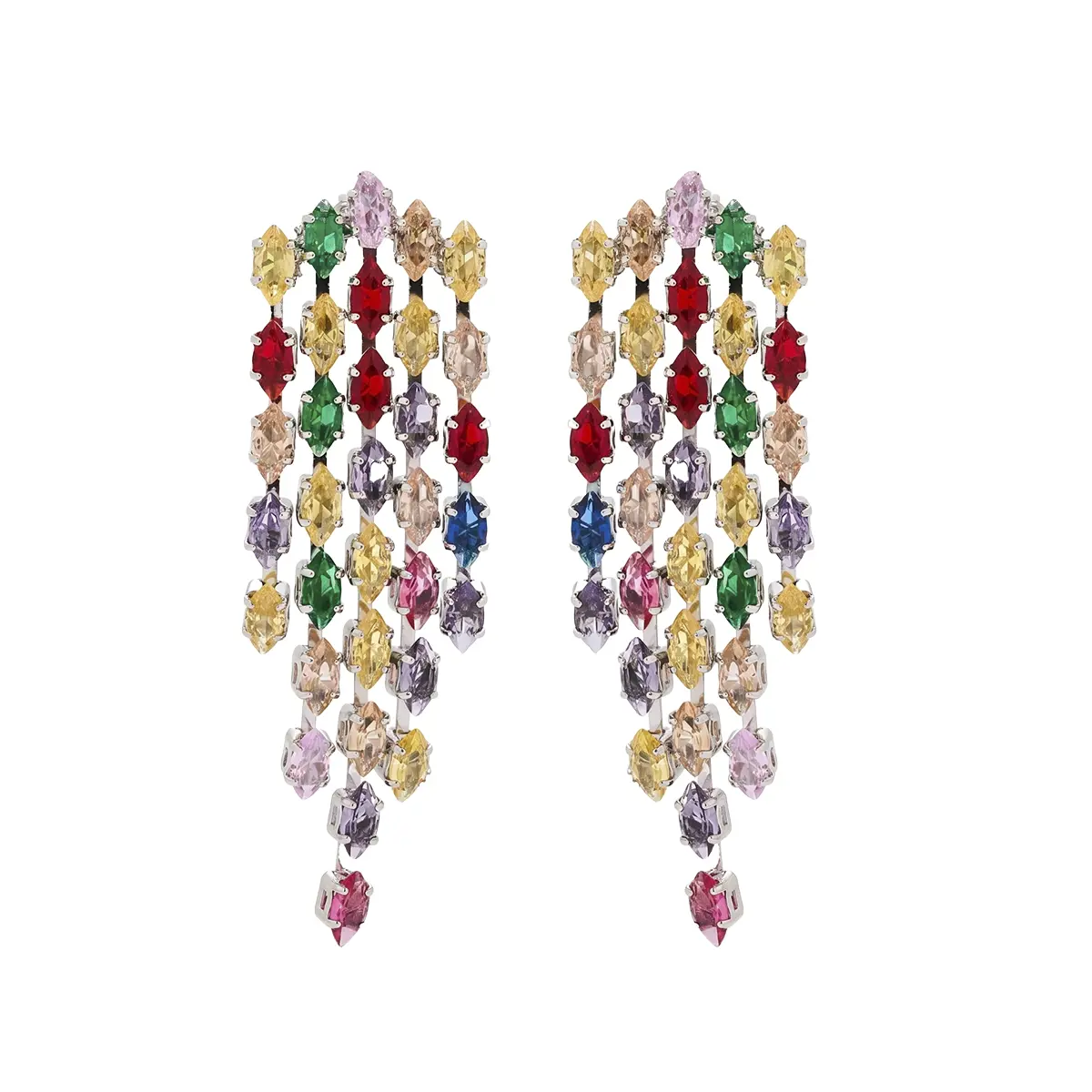
Private Label Fashion Jewelry Manufacturer Selection Determines Brand Success
Choosing the right private label fashion jewelry manufacturer influences brand image, product consistency, and customer loyalty. A strong partner supports creative development, reliable production, and flexible customization. Fashion jewelry brands need suppliers that combine craftsmanship with efficient operations. The best partners analyze market trends and provide suitable materials for different collections. They also maintain clear communication during sampling, production, and delivery stages. Professional teams help buyers reduce risks and improve product competitiveness. A dependable supplier does more than produce accessories. It creates solutions that support long-term brand growth. Careful evaluation helps businesses select partners with proven experience and stable manufacturing capabilities.
Strong Design Capability Creates Unique Jewelry Collections
Creative ability separates ordinary suppliers from valuable jewelry partners. Modern brands require original concepts that match changing consumer preferences. A capable manufacturer provides design assistance, trend analysis, and product improvement suggestions. Designers consider shapes, colors, finishes, and wearable comfort during development. A reliable private label fashion jewelry manufacturer helps brands transform ideas into market-ready collections through professional design support. Custom sketches, 3D models, and sample adjustments improve communication between buyers and production teams. Strong design departments also track seasonal trends across different markets. This approach allows brands to create distinctive collections without depending only on common styles. Unique designs increase customer recognition and strengthen market positioning.
Material Quality Defines Jewelry Durability and Customer Value
Material selection directly affects jewelry appearance, performance, and customer satisfaction. Stainless steel offers strong corrosion resistance and supports daily wear requirements. Brass provides excellent shaping flexibility and works well with detailed designs. Gold plating requires precise control over coating thickness, surface preparation, and finishing techniques. Cubic zirconia stones need accurate setting methods to maintain visual appeal. High-quality materials reduce discoloration and improve product lifespan. Brands should review material sources, testing methods, and finishing standards before cooperation. Premium materials create better customer experiences and support stronger brand reputation. Suppliers with technical knowledge can recommend suitable combinations based on product positioning, target markets, and pricing strategies.
Advanced Manufacturing Processes Improve Product Consistency
Production technology determines whether jewelry collections maintain stable quality during large orders. Professional factories use controlled processes for casting, polishing, plating, stone setting, and assembly. Each stage requires skilled workers and suitable equipment. A private label fashion jewelry manufacturer with advanced production systems can manage complex designs while maintaining consistent results. Surface polishing removes imperfections and improves product texture. Electroplating systems create even finishes through controlled chemical procedures. Quality teams inspect components before final packaging. Efficient workflows reduce production delays and improve order accuracy. Brands benefit from suppliers that combine traditional craftsmanship with modern manufacturing methods. Reliable processes support repeat orders and customer trust.
| Production Area | Key Process | Brand Benefit |
|---|---|---|
| Material Preparation | Metal selection and inspection | Improved durability and appearance |
| Surface Treatment | Polishing and plating control | Stable finishing quality |
| Assembly | Component matching and setting | Consistent product performance |
| Final Inspection | Appearance and function checks | Reduced customer complaints |
Customization Services Build Stronger Private Label Brands
Flexible customization services help brands develop products with unique market value. Professional suppliers usually support logo engraving, exclusive shapes, customized colors, and packaging solutions. These services allow companies to create recognizable collections instead of selling common accessories. Many buyers request adjustments to chain lengths, pendant sizes, stone arrangements, and surface finishes. Effective communication ensures designs meet expectations before production begins. Custom packaging also improves product presentation and creates stronger customer impressions. Brands should select partners that provide clear sampling procedures and modification support. A supplier with flexible capabilities can adapt to different business models and product strategies. Custom services create stronger connections between jewelry collections and target audiences.
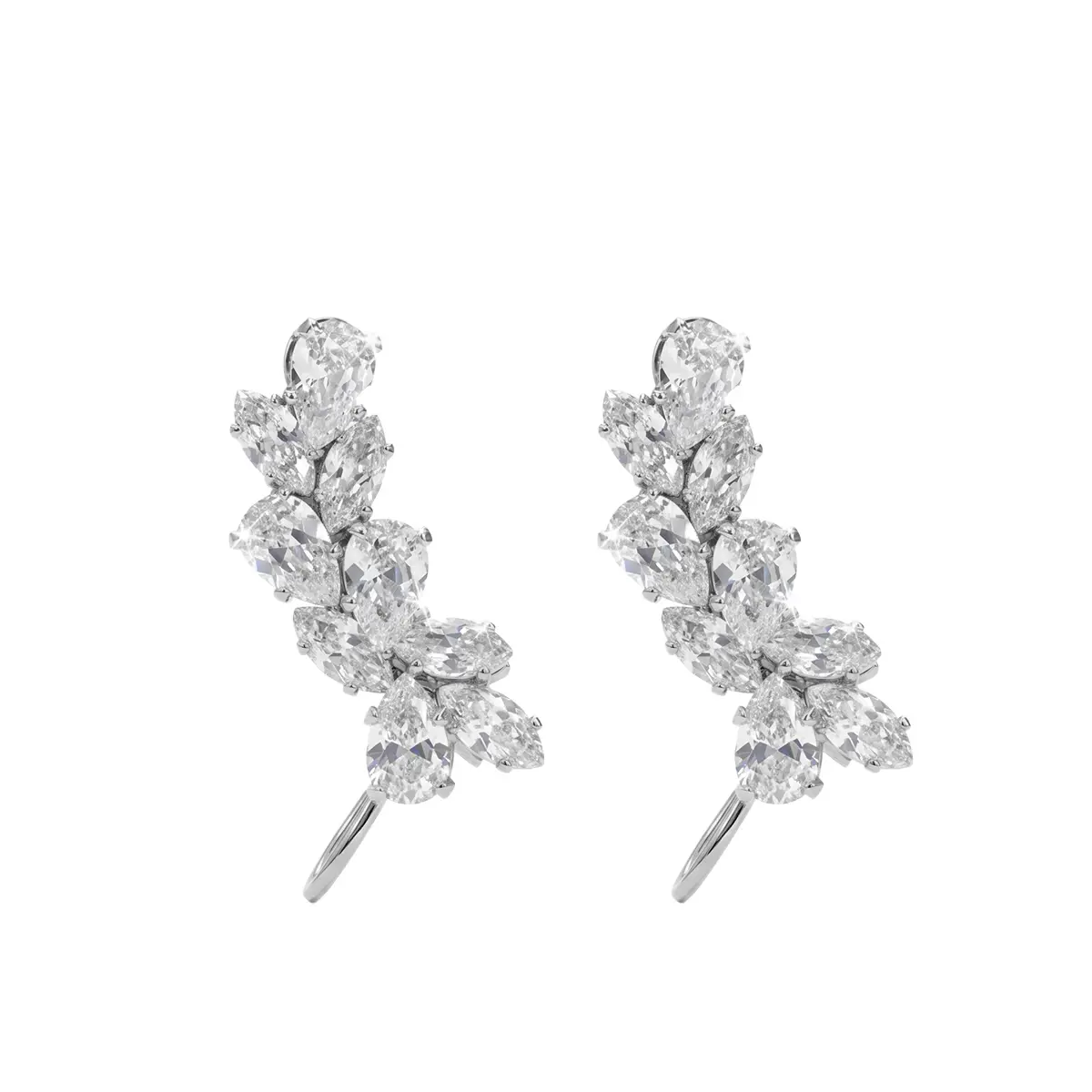
Quality Control Systems Protect Brand Reputation
Strict inspection systems reduce quality risks and protect market credibility. Experienced suppliers check materials, dimensions, plating conditions, and product appearance throughout production. A professional team usually performs incoming material checks, production inspections, and final evaluations. These steps identify issues before products reach customers. Many jewelry buyers focus on details such as clasp strength, surface smoothness, and stone placement accuracy. Reliable quality management also includes documentation and communication records. A private label fashion jewelry manufacturer with strong control procedures helps brands maintain stable product standards across multiple orders. Consistent quality creates positive reviews and encourages repeat purchases. Businesses should evaluate inspection methods before selecting long-term manufacturing partners.
| Evaluation Factor | Important Details | Expected Result |
|---|---|---|
| Material Testing | Metal quality and coating assessment | Better product reliability |
| Sample Review | Design accuracy and appearance checks | Reduced modification needs |
| Production Monitoring | Process tracking and inspection | Stable delivery performance |
| Packaging Review | Protection and presentation standards | Enhanced customer experience |
Efficient Supply Chain Management Supports Stable Growth
Supply chain ability affects delivery speed, inventory planning, and business expansion. Reliable suppliers maintain organized material purchasing and production schedules. They coordinate different departments to prevent unnecessary delays. Strong inventory management helps brands respond quickly to changing market demands. Professional communication also improves order adjustments and forecasting accuracy. Buyers should evaluate supplier capacity, production timelines, and logistics experience. A stable supply network reduces operational pressure and supports consistent product availability. Brands can focus more on marketing and customer development when production systems remain dependable. Efficient supply chain management creates smoother cooperation and supports long-term commercial relationships between brands and manufacturing partners.
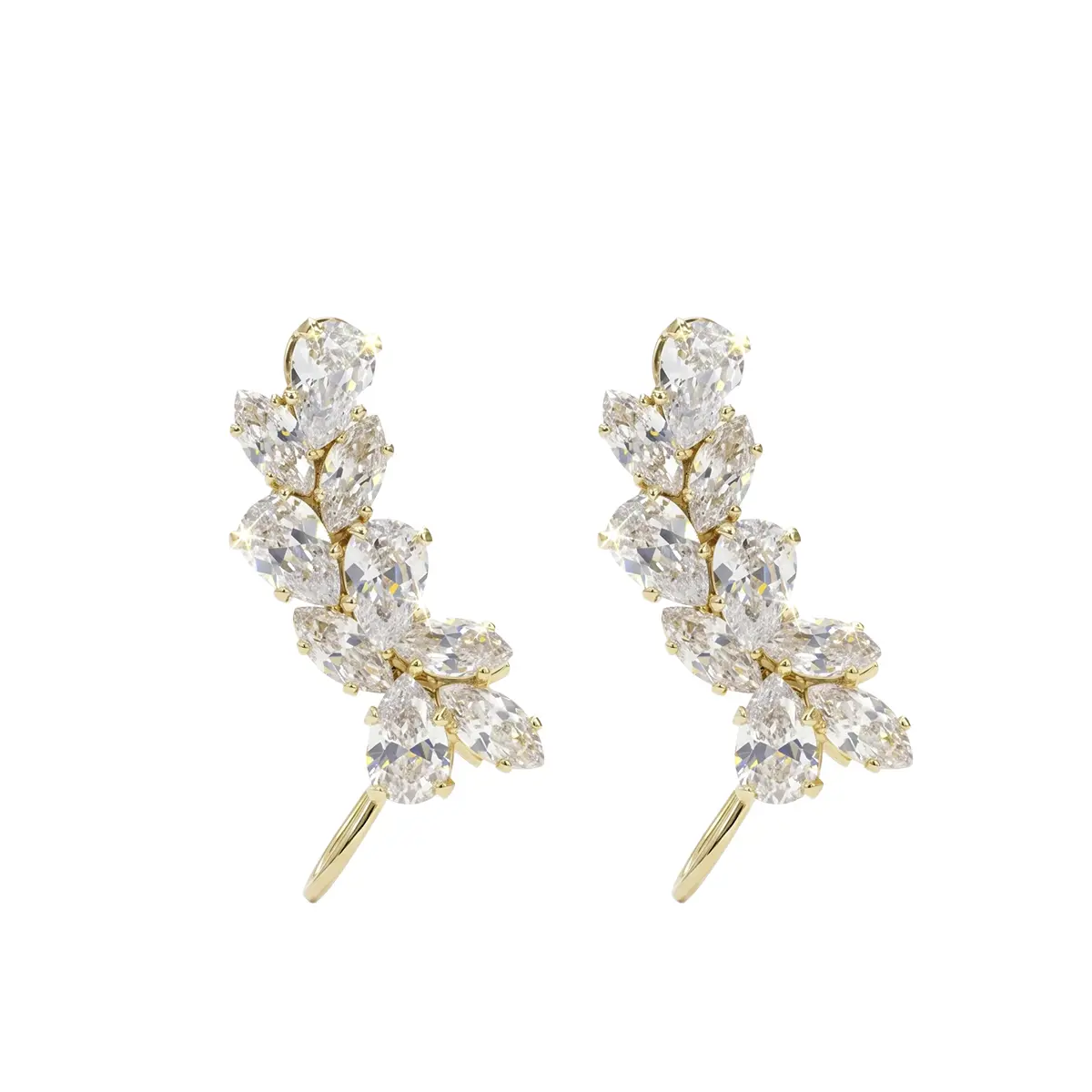
Why a Private Label Fashion Jewelry Manufacturer Supports Market Expansion
Market experience helps suppliers provide better solutions for different regions and customer groups. Jewelry trends vary across countries, requiring knowledge of consumer preferences and purchasing habits. An experienced partner studies market requirements and recommends suitable product directions. A private label fashion jewelry manufacturer with international cooperation experience can support brands with practical production advice. Compliance awareness also helps businesses prepare products for different market expectations. Suppliers familiar with export procedures can improve communication and reduce unnecessary complications. Industry expertise allows brands to develop collections with stronger commercial potential. Choosing a knowledgeable partner creates advantages in design planning, production management, and future expansion.
Important Points When Selecting a Jewelry Manufacturing Partner
Brands should evaluate several factors before establishing cooperation with a jewelry supplier. A complete assessment can include:
- Production experience and industry reputation.
- Material quality and finishing technology.
- Customization flexibility and design support.
- Quality inspection procedures and communication efficiency.
- Packaging options and delivery management.
These factors help buyers compare suppliers more effectively. A careful selection process reduces risks and supports stable brand development. Companies should focus on long-term cooperation rather than only short-term pricing advantages. Reliable partners provide consistent value through product improvement, technical support, and responsive service.
Choosing the Right Partner Requires Comprehensive Evaluation
The selection process requires attention to both production ability and business support. Brands should review supplier portfolios, sample quality, and communication performance. A professional partner recognizes market demands and provides practical recommendations. The best cooperation happens when both sides share clear goals and quality expectations. Product innovation, reliable manufacturing, and responsive service create stronger business results. Jewelry companies can improve their competitive position by working with suppliers that offer complete solutions. Careful evaluation creates a foundation for sustainable growth and helps brands build customer trust through attractive and dependable collections. The right partner becomes an important part of brand development.
FAQ
How Can Brands Evaluate Jewelry Manufacturing Quality?
Brands can evaluate manufacturing quality through samples, factory capability reviews, and production communication. They should check material information, finishing details, and product consistency before placing large orders.
Inspection standards should cover plating durability, stone placement, and overall appearance. A professional supplier provides clear information about production steps and quality procedures.Reviewing previous projects also helps buyers assess experience and reliability. Regular communication during sampling improves final results. Strong quality evaluation reduces risks and supports better cooperation with manufacturing partners.
What Services Should Jewelry Suppliers Provide?
Reliable jewelry suppliers should offer design assistance, customization options, production management, and packaging solutions. Brands often require unique features such as customized logos, exclusive designs, or special finishes. Suppliers should provide flexible support throughout development and production stages. Sampling services help buyers confirm product details before mass production. Clear communication, technical advice, and delivery coordination are also valuable services. A complete service system helps brands create competitive collections and maintain stable product quality.
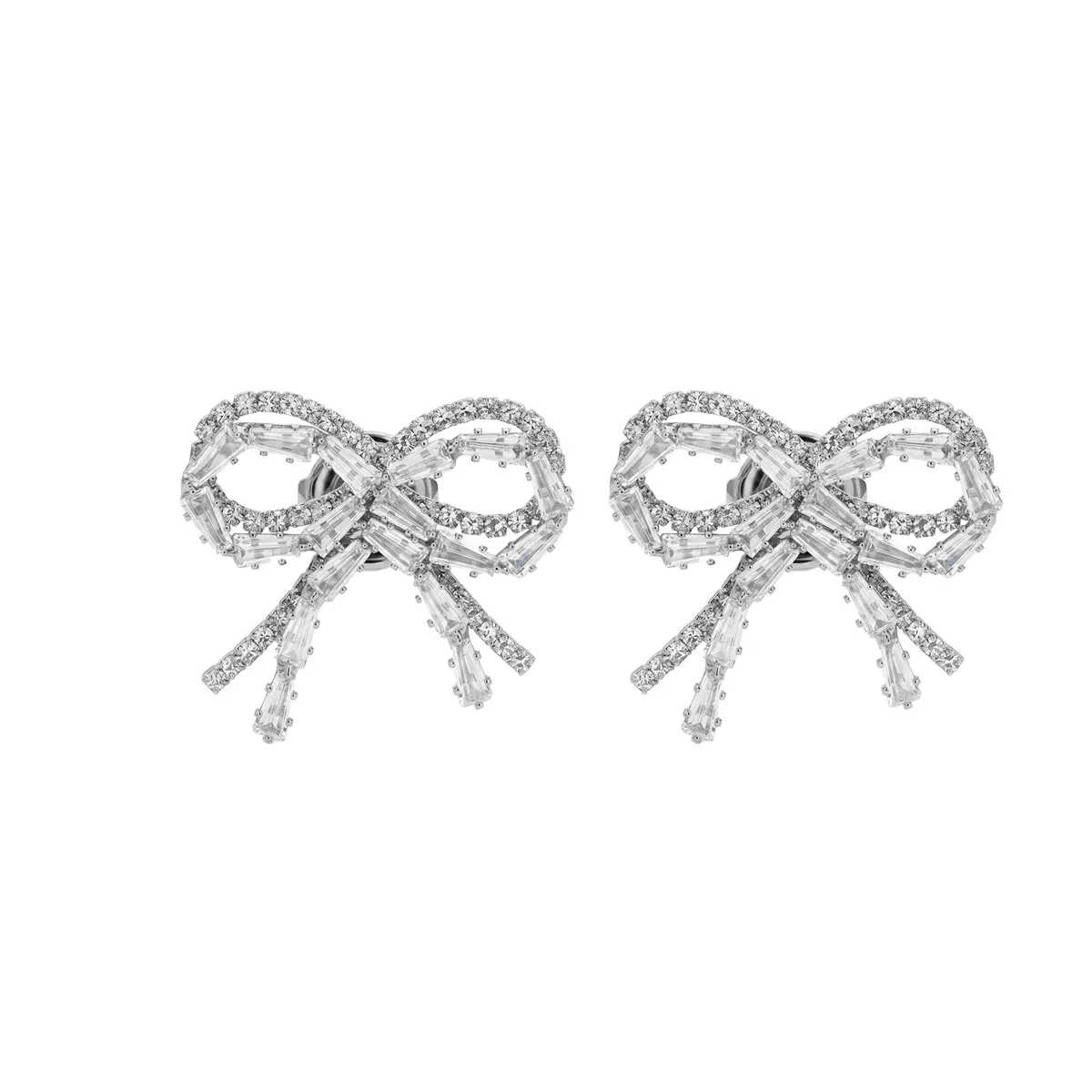
Why Is Customization Important For Jewelry Brands?
Customization allows jewelry brands to create products that match their identity and customer expectations. Unique designs help businesses avoid direct competition with common accessories. Features such as personalized logos, exclusive shapes, and customized packaging improve brand recognition. Flexible production support also allows companies to adjust products based on market feedback. Customized collections can create stronger emotional connections with customers. For example, Women’s Stainless Steel Heart Pendant Bracelet can represent elegant daily styles, while Minimalist Twisted Knot Brass Stud Earrings can support simple fashion themes. These customized directions help brands develop clearer product positioning.