What Makes A Reliable Long Term Jewelry Supplier?
-
How much does custom jewelry cost? such as hidden fees, material selection, labor costs, and smarter money-saving tips for custom orders.
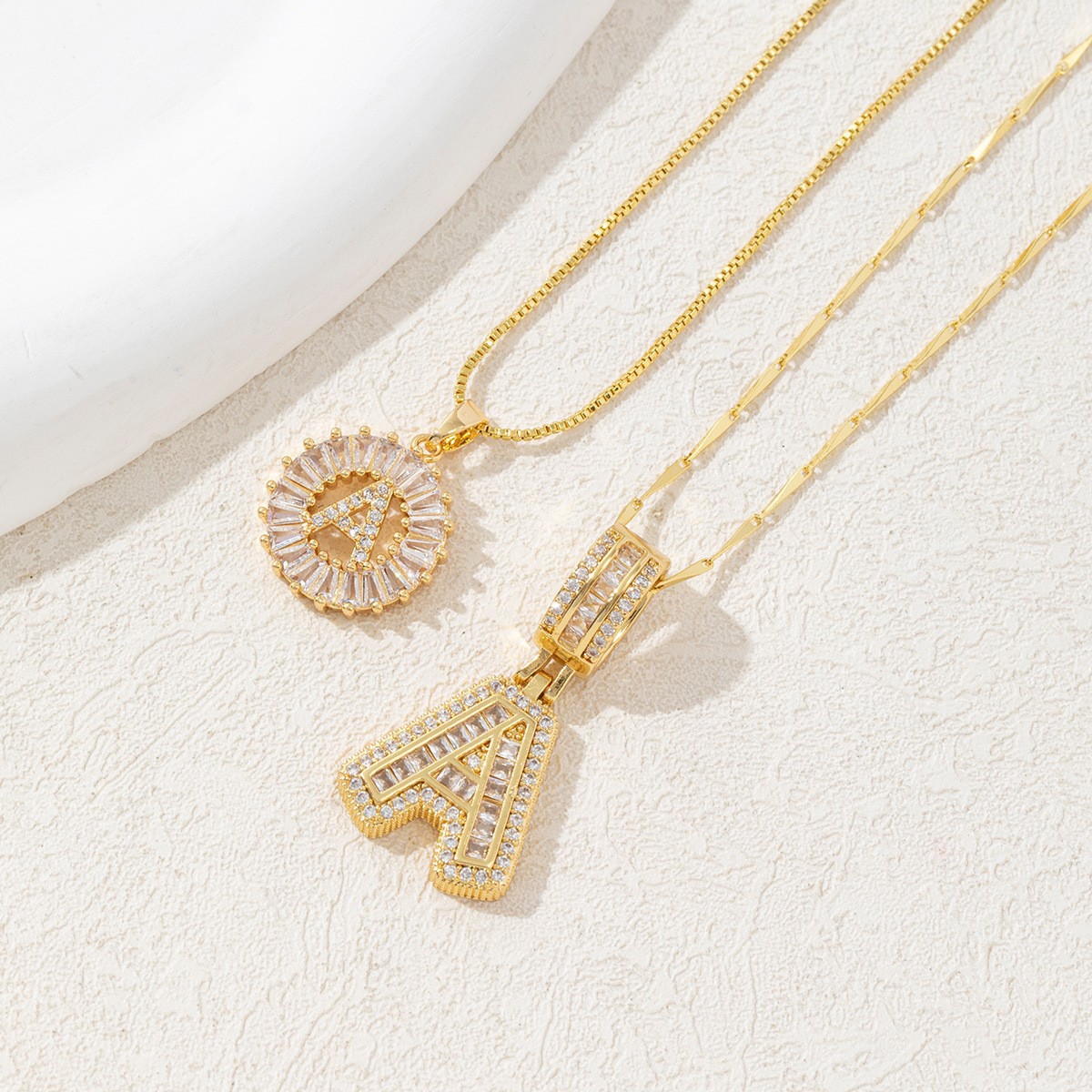
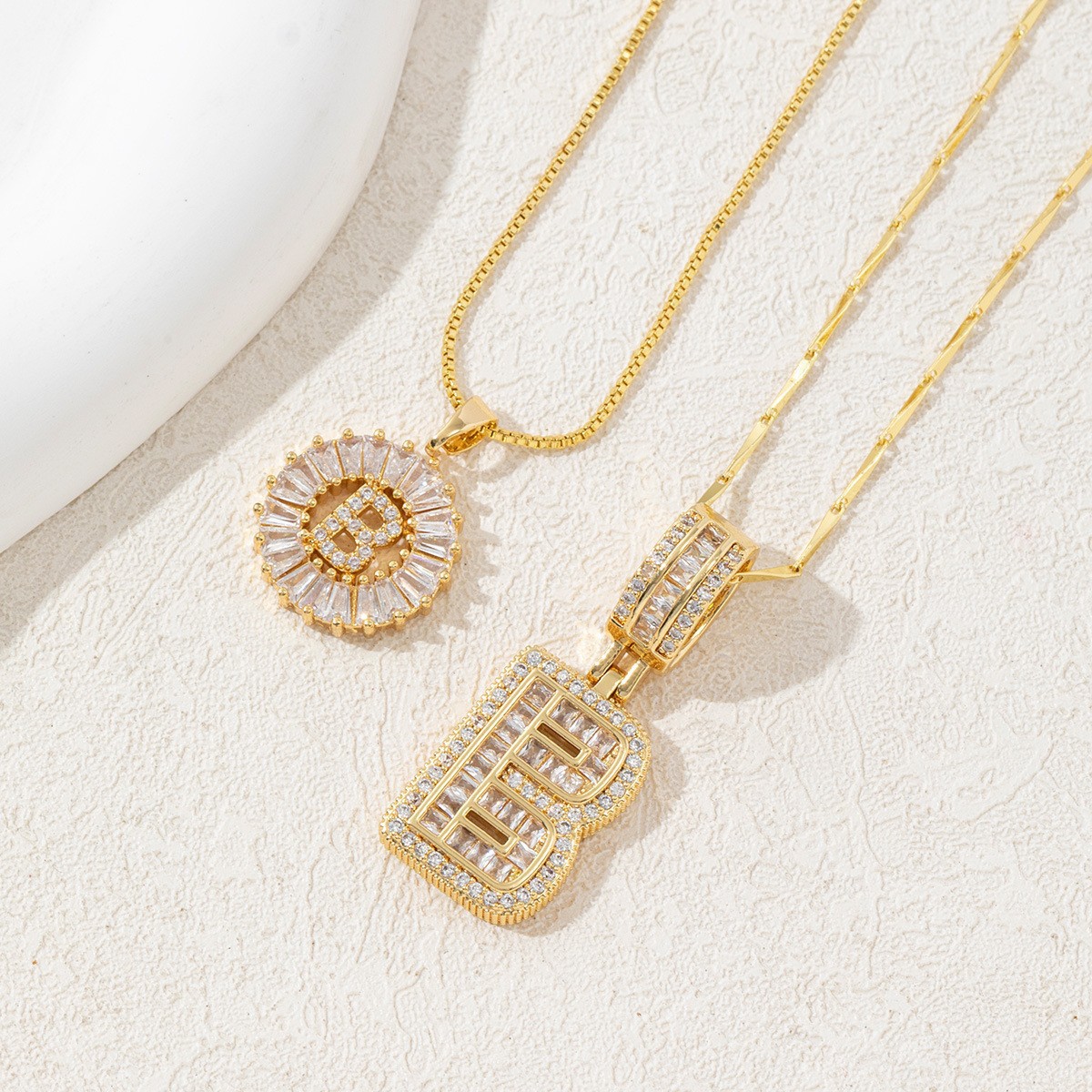
A long term jewelry supplier supports consistent sourcing, quality, and production continuity for B2B buyers. Brands rely on stable partners to maintain product standards across multiple seasons. The supplier reduces operational uncertainty and improves planning accuracy. Unlike short-term vendors, these suppliers align with business growth strategies. They invest in process improvement and long-term capacity. Buyers benefit from predictable lead times and repeatable quality output. Strong partnerships also enhance brand positioning in competitive markets. Strategic sourcing decisions often depend on supplier reliability metrics. These include delivery performance, defect rates, and communication speed. A dependable supplier acts as an extension of the buyer’s operations. That role becomes critical when scaling global distribution channels.
Key Capabilities of a Long Term Jewelry Supplier
Production capacity determines whether suppliers can handle volume fluctuations without delays. A long term jewelry supplier must support both small batches and mass production runs. Design capabilities also matter in modern B2B environments. OEM and ODM services enable brands to differentiate product lines efficiently. Material sourcing networks ensure stable access to metals and stones. Suppliers often work with brass, stainless steel, and sterling silver. Each material requires different casting and finishing processes. Advanced workshops integrate polishing, plating, and stone setting under one system. Flexibility in production lines improves responsiveness to market trends. Skilled technicians further enhance product consistency. These capabilities define whether a supplier can sustain long-term cooperation.
Quality Control Standards in Long Term Jewelry Supplier Operations
Quality control systems ensure every batch meets defined specifications. A long term jewelry supplier typically follows AQL inspection standards during production. Metal composition must comply with international requirements. For example, nickel release levels must remain within safe limits. Plating thickness affects durability and color retention over time. Gold plating often requires micron-level measurement for consistency. Stone setting methods, such as prong or bezel, impact long-term wear resistance. Pull tests evaluate structural integrity under stress conditions. Surface finishing also undergoes abrasion testing. Internal quality teams conduct multiple inspections before shipment. Third-party audits may verify compliance with buyer expectations. These structured processes reduce defect rates significantly.
Supply Chain Transparency and Risk Management Strategies
Transparent supply chains improve trust between buyers and suppliers. A long term jewelry supplier tracks raw materials from origin to final product. Traceability systems document every production stage. This reduces risks associated with material shortages or compliance issues. Lead time consistency depends on effective planning and buffer inventory. Suppliers often maintain safety stock for critical components. Global logistics disruptions require contingency strategies. Alternative shipping routes and partners help maintain delivery schedules. Risk management also includes currency fluctuation planning. Strong suppliers communicate potential delays early. That transparency allows buyers to adjust procurement strategies quickly. Stable supply chains support long-term business continuity.
Cost Structure and Pricing Stability Over Time
Cost structures in jewelry manufacturing depend on multiple variables. Material prices, labor costs, and order volume influence unit pricing. A long term jewelry supplier offers more predictable pricing models. Long-term agreements often reduce volatility in procurement budgets. Buyers can negotiate better rates through volume commitments. Production efficiency improves when suppliers standardize processes. Modular designs also lower tooling costs across collections. MOQ flexibility helps balance inventory risks and cost control. Shipping methods further affect total landed cost. Consolidated shipments often reduce freight expenses. Transparent pricing breakdowns improve financial planning accuracy. Stable costs enable better margin management for B2B businesses.
Certifications and Compliance Requirements for Global Markets
Compliance standards differ across international markets and are defined through specific regulations and certification systems. A long term jewelry supplier must comply with REACH, the European Union regulation that restricts hazardous chemicals in consumer goods, and RoHS, which limits the use of lead, cadmium, and other toxic substances in electronic and plated components.
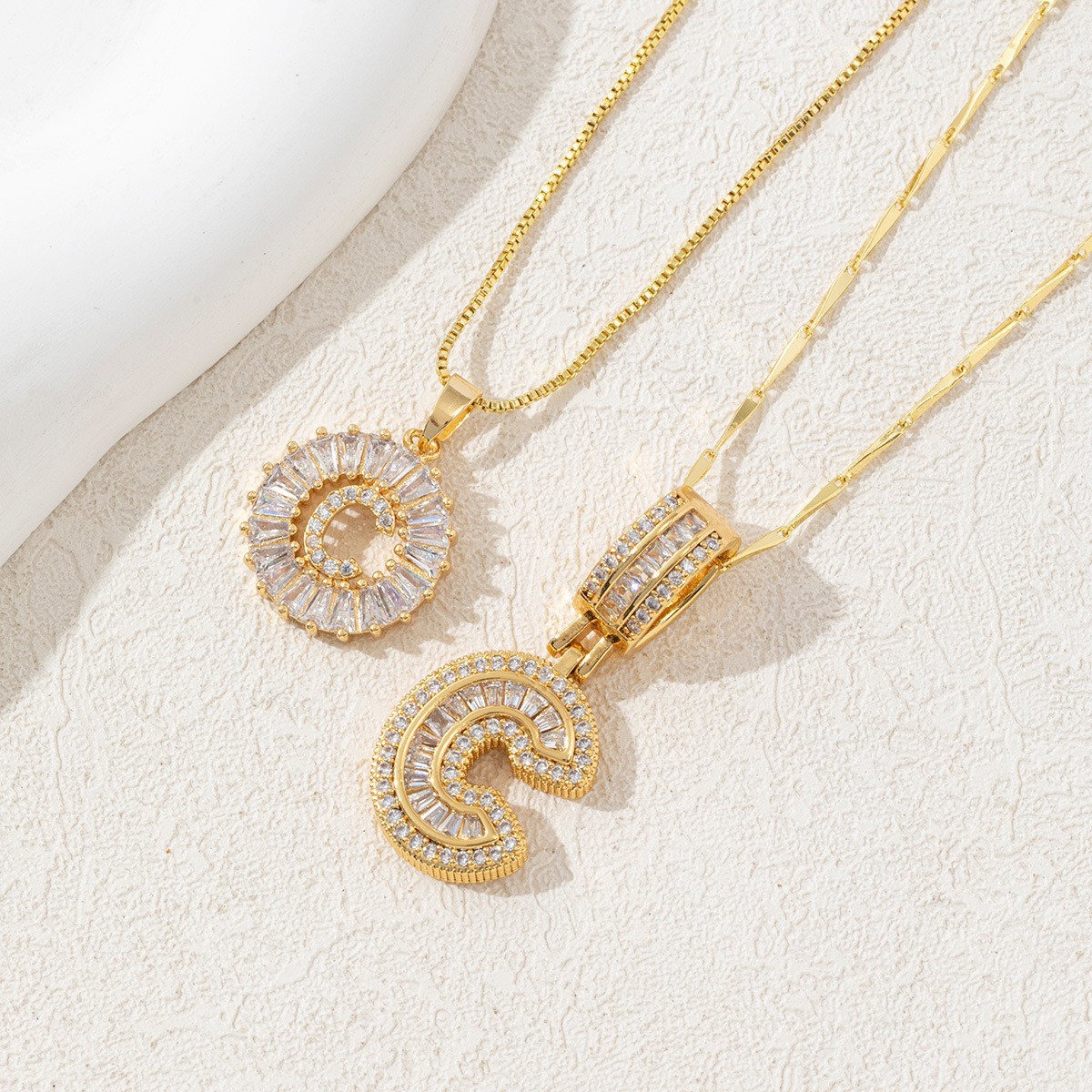
Nickel release testing is also required under EU nickel directive standards to prevent skin allergies in jewelry products. Social compliance audits such as BSCI (Business Social Compliance Initiative) and Sedex SMETA evaluate factory working conditions, labor rights, health and safety, and environmental responsibility. These audits ensure ethical manufacturing practices across the supply chain. ISO 9001 certification reflects a formal quality management system, while ISO 14001 focuses on environmental management. Environmental certifications may also apply depending on regional import requirements. Certification documentation ensures traceability and accountability at every production stage. Buyers frequently request audit reports before establishing cooperation. Compliance reduces legal risks and strengthens brand credibility. Reliable suppliers maintain continuously updated certifications and demonstrate strong operational discipline.
Communication Efficiency and Account Management Systems
Effective communication drives successful supplier relationships. A long term jewelry supplier assigns dedicated account managers to key clients. These managers coordinate orders, timelines, and technical requirements. ERP systems track production progress and inventory levels in real time. Buyers receive updates on order status and shipment schedules. Fast response times improve issue resolution efficiency. Clear communication prevents misunderstandings during production cycles. Structured workflows streamline approval processes for designs and samples. Digital tools also support remote collaboration across time zones. Strong communication systems enhance trust and operational efficiency.
Technology Integration in Jewelry Manufacturing Partnerships
Technology improves accuracy and reduces production errors. A long term jewelry supplier often uses CAD software for design development. 3D prototyping allows quick validation of product concepts. This reduces time spent on physical sampling iterations. Automated casting machines improve consistency in metal forming processes. Laser engraving enhances precision in detailing and branding. Polishing systems ensure uniform surface finishes across batches. Digital platforms support file sharing and design revisions efficiently. Technology adoption increases overall productivity. It also shortens lead times without compromising quality. Advanced manufacturing capabilities strengthen long-term partnerships.
Advantages of Working with a Long Term Jewelry Supplier
Long-term partnerships provide multiple operational advantages. A long term jewelry supplier ensures consistent product quality across all orders. Brands maintain uniform appearance in collections over time. Cost efficiency improves through stable pricing agreements. Reduced risk allows businesses to focus on market expansion. Suppliers gain deeper insight into brand requirements through long-term collaboration, improving production alignment and reducing repeated clarification needs. That alignment strengthens customization accuracy and minimizes production deviations. Inventory planning becomes more reliable with predictable lead times. Strong partnerships also support trend adaptation in seasonal markets. For example, fashion summer jewelry wholesale collections require quick turnaround. Reliable suppliers handle such demands efficiently. These benefits create sustainable growth opportunities.
Supplier Comparison Table for Decision-Making
| Criteria | Short-Term Supplier | Long Term Jewelry Supplier |
|---|---|---|
| Pricing Stability | Frequent changes | Predictable agreements |
| Quality Control | Inconsistent checks | Standardized systems |
| Lead Time | Unstable schedules | Planned timelines |
| Customization | Limited options | Strong OEM support |
| Communication | Basic interaction | Dedicated management |
Key Factors Checklist When Choosing a Supplier
Selecting a supplier requires evaluation across several dimensions. Buyers should focus on critical performance indicators during selection. The following checklist highlights essential considerations:
- Material quality and sourcing reliability
- Certification compliance and audit records
- MOQ flexibility and pricing structure
- Production capacity and scalability
- Communication speed and clarity
- Lead time consistency and logistics capability
These factors directly influence long-term cooperation success. A long term jewelry supplier that meets these criteria offers better stability. Thorough evaluation reduces risks associated with supplier switching. Strategic selection also improves operational efficiency across supply chains.
Supplier Performance Metrics Comparison Table
| Metric | Target Benchmark | Impact on Business |
|---|---|---|
| On-Time Delivery Rate | >95% | Ensures stock availability |
| Defect Rate | <2% | Reduces returns and losses |
| Lead Time Variance | <5% | Improves planning accuracy |
| Response Time | <24 hours | Enhances communication flow |
| Reorder Consistency | High repeat accuracy | Maintains product uniformity |
How to Build a Sustainable Supplier Relationship
Building long-term relationships requires structured collaboration strategies. Contracts should define pricing models, quality standards, and delivery expectations. Regular performance reviews help identify improvement areas. Buyers and suppliers should share feedback openly. Continuous improvement initiatives enhance efficiency over time. Joint planning sessions align production with market demand. Trust develops through consistent performance and transparency. Strategic partnerships often lead to innovation opportunities. For example, a trendy stacked bracelets set may evolve through collaborative design input. Strong relationships also improve negotiation flexibility. Sustainable cooperation benefits both parties in competitive markets.
FAQ
How do you evaluate a long term jewelry supplier?
Evaluation focuses on performance consistency and operational capability. Buyers analyze delivery reliability, defect rates, and communication efficiency. Financial stability also matters for long-term cooperation. Production capacity should match business growth plans. Certifications indicate compliance with international standards. Site audits provide insights into manufacturing conditions. Sample testing verifies product quality before large orders. Strong suppliers offer transparent pricing and clear documentation. References from existing clients add credibility. Data-driven evaluation reduces sourcing risks. Long-term success depends on selecting partners with proven reliability.
What certifications should a jewelry supplier have?
Jewelry suppliers must comply with internationally recognized regulatory frameworks and certification systems. Key regulations include REACH (EU chemical safety regulation controlling hazardous substances) and RoHS (Restriction of Hazardous Substances directive limiting toxic materials in plated and electronic components). Nickel release testing follows EU nickel directive requirements to ensure skin safety. Social compliance audits such as BSCI (Business Social Compliance Initiative) and Sedex SMETA assess labor conditions, workplace safety, and ethical production practices. ISO 9001 certification represents a standardized quality management system, while ISO 14001 covers environmental management performance. Environmental and sustainability certifications may also be required depending on export destinations. All certification records must remain updated, verifiable, and traceable. Buyers typically review audit reports before confirming partnerships. Compliance reduces regulatory risks and strengthens buyer confidence. Certified suppliers demonstrate higher operational discipline and global market readiness.
How can long-term cooperation reduce costs?
Long-term cooperation improves cost efficiency through multiple mechanisms. Volume commitments often lead to better pricing agreements. Suppliers optimize production processes for repeat orders. Tooling and setup costs spread across larger production runs. Stable partnerships reduce switching costs and delays. Inventory planning becomes more accurate with predictable lead times. Consolidated shipments lower logistics expenses. Continuous improvement initiatives enhance productivity over time. Suppliers invest more in dedicated resources for long-term clients. These factors collectively reduce total procurement costs. Strategic partnerships create financial advantages for both parties.