
What Services Do Fashion Jewelry OEM Suppliers Offer?
-
Fashion jewelry OEM suppliers handle sampling, plating, QC, packaging, and private label manufacturing for global jewelry brands.
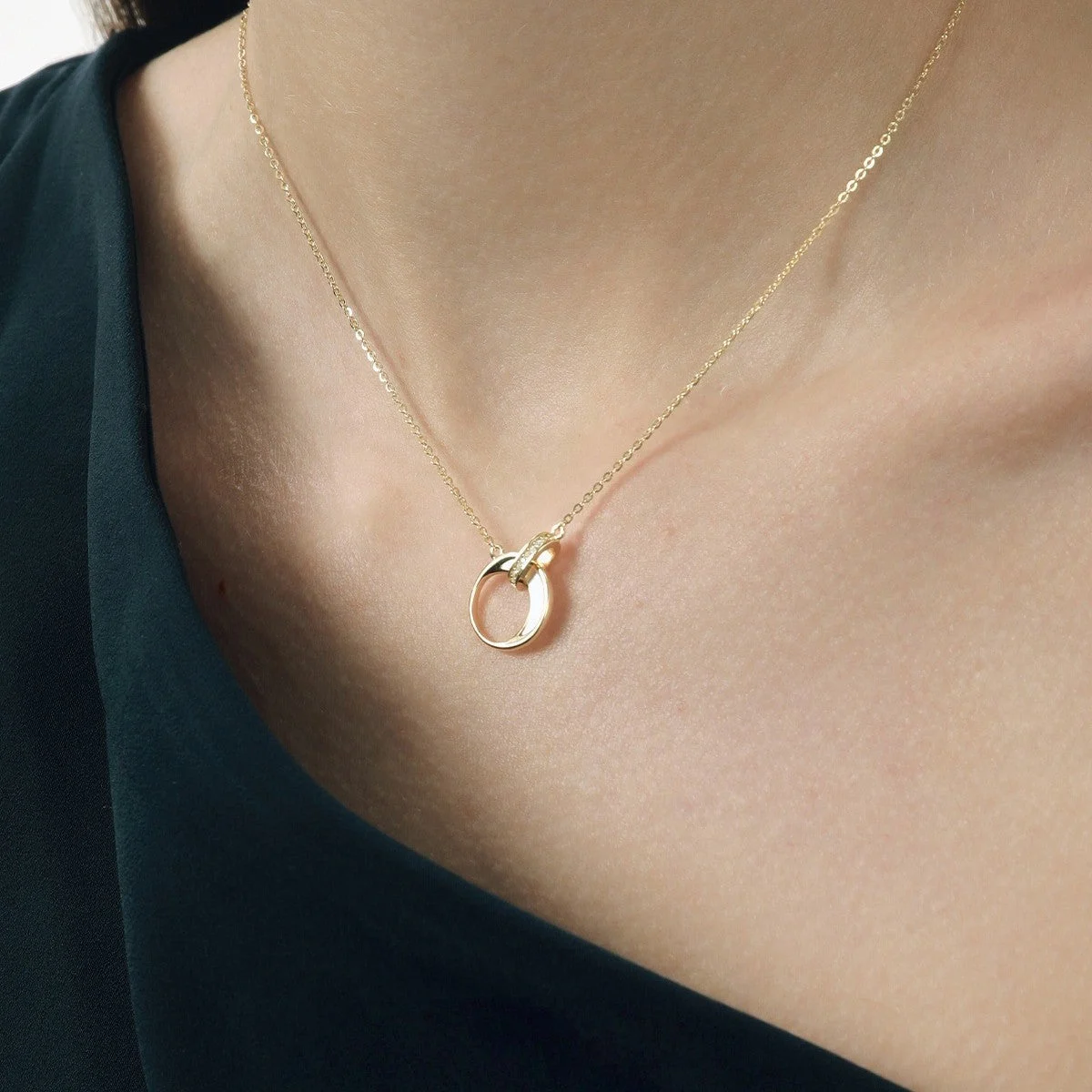

Fashion Jewelry OEM Production Scope and Business Functions
Fashion jewelry OEM suppliers support global wholesalers, distributors, and private label retailers through integrated manufacturing services. Most factories manage design conversion, material procurement, mold development, assembly, plating, inspection, and export packaging within one production system. Buyers reduce equipment investment because suppliers already operate polishing machines, casting systems, laser welders, and electroplating lines. Strong factories also coordinate gemstone sourcing and accessory matching for seasonal collections. Production flexibility matters in B2B jewelry markets because trends shift quickly across regions. Many companies request rapid sampling before large orders. Professional suppliers improve communication efficiency through technical drawings and structured production schedules. Reliable coordination reduces delays and improves inventory planning for international jewelry businesses.
Why OEM Manufacturing Supports Jewelry Brand Expansion
Many jewelry brands prefer OEM cooperation because factory resources shorten product launch cycles. Experienced suppliers manage labor allocation, plating schedules, and component procurement without requiring buyers to build production facilities. Smaller wholesalers benefit from lower startup costs and scalable order capacity. Production systems also improve consistency across repeated orders. Large factories maintain standardized workflows for casting, polishing, stone setting, and final assembly. Stable manufacturing improves customer satisfaction in retail markets. Strong suppliers also support packaging customization and barcode preparation for ecommerce distribution. Some exporters request seasonal collections with different finishes and logo packaging. OEM partnerships help brands focus on sales channels while factories manage technical production operations and quality stability across multiple product categories.
Fashion Jewelry OEM Design and Product Development Services
Fashion jewelry OEM projects often begin with technical drawings and trend analysis. Design teams convert sketches into CAD models before prototype development starts. Digital modeling improves dimensional accuracy and stone placement precision during manufacturing. Factories also adjust clasp structures, chain thickness, and surface finishes according to target market requirements. European customers often request vintage textures and soft polishing effects. North American buyers frequently prioritize hypoallergenic materials and durable plating performance. Development teams may also recommend lightweight structures to reduce shipping costs. Some collections focus on statement earrings with layered textures and complex casting shapes. French Vintage Style 18K Gold Plated Drop Earring designs usually require balanced weight distribution and stable hook construction to improve wearing comfort and durability.
Material Selection Standards in Jewelry Manufacturing
Material selection directly affects durability, plating adhesion, and corrosion resistance in jewelry production. Brass remains popular because it supports detailed casting and stable electroplating performance. Stainless steel provides higher hardness and stronger corrosion resistance for long term use. Zinc alloy supports low cost production but requires careful surface treatment before plating. Sterling silver offers premium positioning for higher value collections. Stone selection also influences manufacturing complexity and polishing methods. Natural stones require controlled drilling pressure to avoid cracking during assembly. Factories evaluate coating compatibility before mass production begins. Many suppliers maintain incoming material inspection systems to verify nickel release levels and plating stability. Strong material control improves product consistency across repeated manufacturing cycles and export orders.
| Material | Main Advantage | Common Application | Production Difficulty |
|---|---|---|---|
| Brass | Stable plating performance | Necklaces and earrings | Medium |
| Stainless Steel | Strong corrosion resistance | Rings and bracelets | High |
| Zinc Alloy | Lower production cost | Fashion accessories | Low |
| Sterling Silver | Premium market positioning | Fine fashion jewelry | Medium |
Production material decisions affect manufacturing stability and long term retail performance. Factories usually recommend brass for detailed casting because the metal supports precise polishing and reliable electroplating. Stainless steel products require stronger cutting tools and specialized polishing equipment because hardness levels remain significantly higher. Zinc alloy products support large promotional orders due to lower raw material costs. However, suppliers must apply protective coatings carefully to reduce oxidation risks. Natural stones also require careful classification before assembly begins. Factories usually separate stones according to hardness, color consistency, and drilling stability. Material testing improves export reliability and reduces product return rates for international jewelry brands operating in competitive retail markets.
Mold Development and Sampling Procedures
Sampling procedures determine whether mass production can maintain visual consistency and structural stability. Mold engineers create tooling based on CAD dimensions and stone placement requirements.Factories often use CNC machining systems to improve mold accuracy before casting begins.

Initial prototypes allow buyers to confirm plating color, texture quality, and clasp performance. Jewelry manufacturers usually revise thickness or structure during sample evaluation stages. Adjustments improve wearing comfort and reduce breakage risks during transportation. Professional suppliers also document production tolerances for repeated manufacturing orders. Technical teams inspect soldering points and stone security before final approval. Efficient sample development shortens production cycles and improves communication between factories and international buyers managing multiple seasonal collections simultaneously.
Surface Treatment and Electroplating Capabilities
Surface finishing directly affects jewelry appearance, corrosion resistance, and customer satisfaction. Electroplating systems apply gold, rhodium, silver, or black gunmetal finishes according to buyer requirements. High quality factories maintain controlled voltage settings during plating processes to improve coating uniformity. Anti tarnish coatings help reduce oxidation exposure during storage and transportation. Polishing stages also influence final surface brightness and texture consistency. Matte finishes require different polishing compounds compared with mirror polished collections. Many suppliers test salt spray resistance to evaluate coating durability under humid conditions. Environmental compliance also matters for export markets because regulations restrict hazardous chemical usage. Professional plating management improves product lifespan and strengthens retail performance across global fashion jewelry distribution channels.
| Surface Finish | Main Feature | Common Market | Durability Level |
|---|---|---|---|
| 18K Gold Plating | Luxury appearance | Fashion retail | Medium |
| Rhodium Finish | Bright reflective surface | Premium collections | High |
| Matte Coating | Soft texture effect | Vintage styles | Medium |
| Black Gunmetal | Modern industrial appearance | Street fashion | Medium |
Finishing quality depends on process control and equipment stability throughout the production cycle. Factories monitor plating thickness because uneven coating reduces wear resistance and visual consistency. Rhodium finishes often require stronger surface preparation before electroplating begins. Matte textures demand precise polishing timing to avoid inconsistent appearance across batches. Environmental compliance also affects plating material selection for European and North American export markets. Many factories implement wastewater treatment systems to satisfy international environmental standards. Production teams regularly inspect coating adhesion through abrasion testing and chemical exposure evaluations. Stable finishing systems improve long term product quality and strengthen cooperation between manufacturers and international jewelry distributors operating across different retail sectors.
Quality Inspection Systems in OEM Jewelry Production
Fashion jewelry OEM factories rely on structured inspection systems to reduce defects and maintain export standards. Incoming inspections verify raw material dimensions, plating compatibility, and stone quality before production begins. During assembly stages, technicians inspect soldering stability and stone security under magnification equipment. Final inspections evaluate logo positioning, coating consistency, and clasp functionality before packaging operations start. Many suppliers use abrasion testing to measure plating durability under repeated friction exposure. Dimensional inspections also confirm production tolerance consistency across bulk orders. Reliable factories document inspection results for traceability and client reporting. Stable quality management reduces return rates and improves long term cooperation between manufacturers and global jewelry wholesalers operating in highly competitive fashion accessory markets.

Packaging and Private Label Support Options
Packaging customization improves retail presentation and strengthens brand recognition in competitive jewelry markets. Suppliers often provide logo printing, gift boxes, barcode labeling, and instruction card insertion for private label buyers. Protective packaging also reduces transportation damage during international shipping operations. Factories usually select foam inserts or microfiber pouches according to product structure and surface sensitivity. Ring collections with natural stones require additional movement protection during export handling. Factory OEM Natural Stone With Bead Open Women Rings products often need separate compartment packaging because stone friction may damage plated surfaces. Some factories also provide environmentally friendly paper packaging for brands targeting sustainable retail positioning. Packaging coordination improves warehouse efficiency and strengthens customer experience across ecommerce and wholesale distribution channels.
Supply Chain Coordination and Delivery Management
Production scheduling influences delivery stability and inventory management throughout the jewelry supply chain. Professional factories coordinate casting, polishing, plating, inspection, and packaging through structured manufacturing timelines. Raw material shortages may delay production when suppliers lack inventory planning systems. Strong factories reduce risks through long term material partnerships and safety stock management. International buyers often request split shipments for seasonal retail schedules. Export departments manage customs documentation, carton labeling, and freight coordination before shipment release. Communication efficiency also affects production accuracy during design revisions and packaging updates. Reliable supply chain coordination improves delivery consistency and reduces financial pressure for wholesalers managing large retail networks across multiple international markets.
Key Questions Before Starting an OEM Cooperation
Fashion jewelry OEM cooperation requires clear technical communication before production begins. Buyers should confirm plating thickness standards, material specifications, and packaging requirements before approving samples. Factories also need accurate logo files and barcode information for retail preparation. Lead time discussions remain important because plating capacity and seasonal demand affect production scheduling. Quality inspection standards should include dimensional tolerance limits and stone security requirements. Payment structure and mold ownership terms also require written confirmation during negotiations. Strong suppliers provide transparent communication and documented production workflows throughout manufacturing stages. Careful preparation reduces misunderstandings and supports stable long term cooperation between factories and jewelry brands operating in competitive global accessory markets.
FAQ
What is the difference between OEM and ODM jewelry manufacturing?
OEM manufacturing follows designs and specifications provided by the buyer. Factories produce jewelry according to approved drawings, plating standards, and packaging requirements. ODM manufacturing works differently because suppliers create product concepts internally before offering them to customers. OEM cooperation provides stronger brand customization and unique market positioning. ODM projects usually reduce development time because existing molds and designs already exist. Many wholesalers choose OEM production when building exclusive collections for retail distribution. Large factories often support both manufacturing models simultaneously. Buyers should compare development costs, intellectual property protection, and production flexibility before selecting the most suitable cooperation structure for their business goals.
How do OEM suppliers control plating quality?
Professional suppliers control plating quality through chemical monitoring, surface preparation, and coating thickness management. Production teams polish jewelry carefully before electroplating begins because surface contamination reduces coating adhesion.Factories also monitor voltage stability during plating processes to maintain color consistency across batches.