
Why Are Jewelry Quality Standards Important?
-
Jewelry quality standards define consistency, safety, and value in global jewelry manufacturing for B2B supply chains.
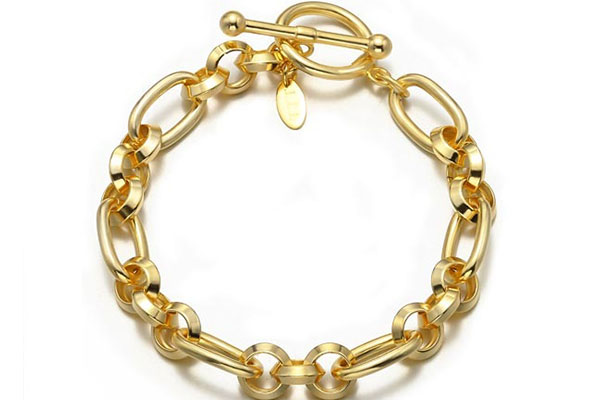

Jewelry quality standards play a central role in global B2B jewelry trade. They define measurable expectations for materials, finishing, and durability. Manufacturers rely on these benchmarks to align production across different markets. Buyers use them to reduce risk and ensure consistent product delivery. In large-scale procurement, even minor deviations can affect brand trust and contract stability. These systems also help unify communication between designers, factories, and distributors. Without structured control systems, production outcomes may vary significantly between batches. International buyers increasingly require documented compliance before approving suppliers. As global competition increases, these systems become essential for maintaining consistency, reliability, and long-term business cooperation in the jewelry supply chain.
What Jewelry Quality Standards Mean in Professional Manufacturing
In manufacturing environments, jewelry quality standards refer to controlled specifications for production output. They include tolerance limits, surface finishing rules, and material composition thresholds. These systems ensure that every unit meets predefined industrial expectations. Factories use internal documentation systems to translate buyer requirements into production instructions. Measurement tools and inspection checkpoints support accuracy during production stages. Consistency across batches is critical for B2B buyers managing large inventories. Without structured systems, variations in color, weight, or durability can occur. In global sourcing, these systems also function as a communication bridge between engineering teams and commercial buyers. They reduce misunderstanding and improve production transparency.
Why Jewelry Quality Standards Determine Product Reliability
Product reliability in jewelry manufacturing depends heavily on jewelry quality standards. These systems define how materials respond to wear, pressure, and environmental exposure. They also regulate how components are assembled to avoid structural failure. In B2B supply chains, reliability affects return rates and customer satisfaction levels. Poorly controlled production can lead to broken clasps or weakened settings. Consistent application of these systems helps ensure long-term stability of finished pieces. Manufacturers test samples under controlled conditions to predict real-world performance. Buyers often evaluate suppliers based on historical reliability data. Strong reliability metrics improve trust and strengthen long-term procurement agreements in competitive jewelry markets.
Material Control Within Jewelry Quality Standards Systems
Material control is a foundational element in jewelry production systems. Precious metals such as gold, silver, and platinum must meet purity thresholds. Alloy composition directly affects durability, color, and corrosion resistance. Gemstones also require grading based on clarity, cut, and hardness. In B2B production, inconsistent materials can disrupt entire product lines. Suppliers implement strict incoming inspection procedures to verify raw material quality. Traceability systems track material origin across the supply chain. These controls ensure compliance with international expectations. Proper material management reduces production waste and improves final product consistency across large orders.
Craftsmanship Precision Under Jewelry Quality Standards Systems
Craftsmanship precision defines how well components are assembled and finished. Techniques such as stone setting, polishing, and soldering require tight control. Micro-level tolerances ensure that each part fits correctly without structural stress. Skilled technicians follow standardized operating procedures during production. One example is factory supplier18k gold plated bracelets, where plating thickness must remain uniform across batches. Surface smoothness and edge alignment also influence final product perception. Even small deviations can reduce visual quality or durability. Consistent craftsmanship improves product stability in export markets. Precision-focused workflows help manufacturers maintain high acceptance rates during buyer inspections.
Testing Systems Used to Enforce Jewelry Quality Standards
Testing systems validate whether finished products meet required specifications. Hardness tests measure resistance to deformation under pressure. Corrosion tests evaluate long-term exposure to moisture and air. Plating thickness tests ensure protective layers remain within defined limits. Visual inspection identifies surface defects such as scratches or uneven coating. Some factories also use destructive testing to analyze internal structure strength.
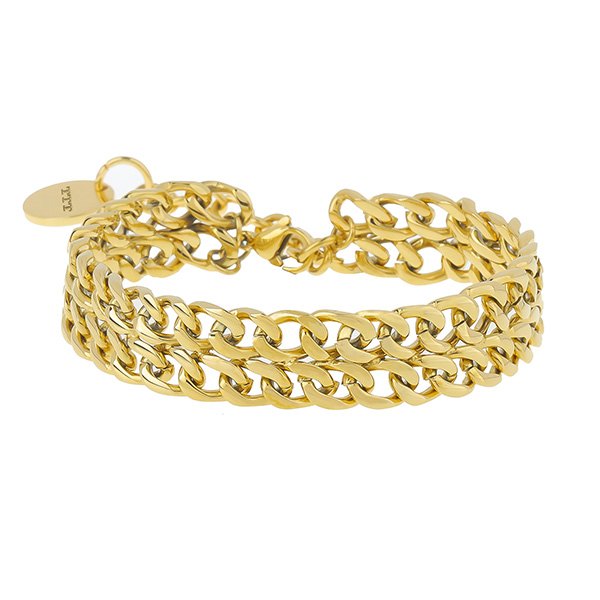
These procedures reduce risk before shipment to buyers. Testing data is recorded for traceability and audit purposes. Consistent evaluation helps maintain production discipline across all batches. Strong testing systems reinforce overall manufacturing reliability and reduce quality-related disputes.
| Testing Method | Purpose | Key Measurement |
|---|---|---|
| Hardness Test | Evaluate resistance to deformation | Material strength index |
| Plating Thickness Test | Ensure coating durability | Micron level consistency |
| Corrosion Test | Check environmental resistance | Oxidation time threshold |
Testing frameworks like these are widely applied in production control environments. They help manufacturers detect issues early before products reach export channels. Each method focuses on a specific performance dimension. Combined testing improves overall product stability and reduces long-term failure rates. In B2B sourcing, documented testing results also increase buyer confidence. Suppliers with structured testing systems are often preferred in long-term contracts. Reliable data supports consistent decision-making across procurement cycles.
Key Control Points in Jewelry Production Systems
Quality control in jewelry manufacturing involves multiple checkpoints across production stages. Incoming materials are verified before processing begins. Semi-finished components are inspected during assembly stages. Final inspection ensures compliance with design and functional requirements. Operators follow standardized procedures to maintain consistency. Documentation supports traceability across batches and production dates. The following list outlines key control points in typical workflows.
- Raw material verification before production
- In-process inspection during assembly stages
- Surface finishing evaluation after polishing
- Final product dimensional checks
- Packaging and labeling confirmation
Each checkpoint reduces the probability of defects entering the supply chain. Structured monitoring systems improve efficiency and reduce rework costs. Strong process control ensures stable output across large production volumes.
After structured control systems are implemented, manufacturers achieve more predictable production outcomes. Consistency improves communication between suppliers and buyers. It also reduces delays caused by re-inspection or rejection. Efficient workflows strengthen overall operational performance in export-focused factories.
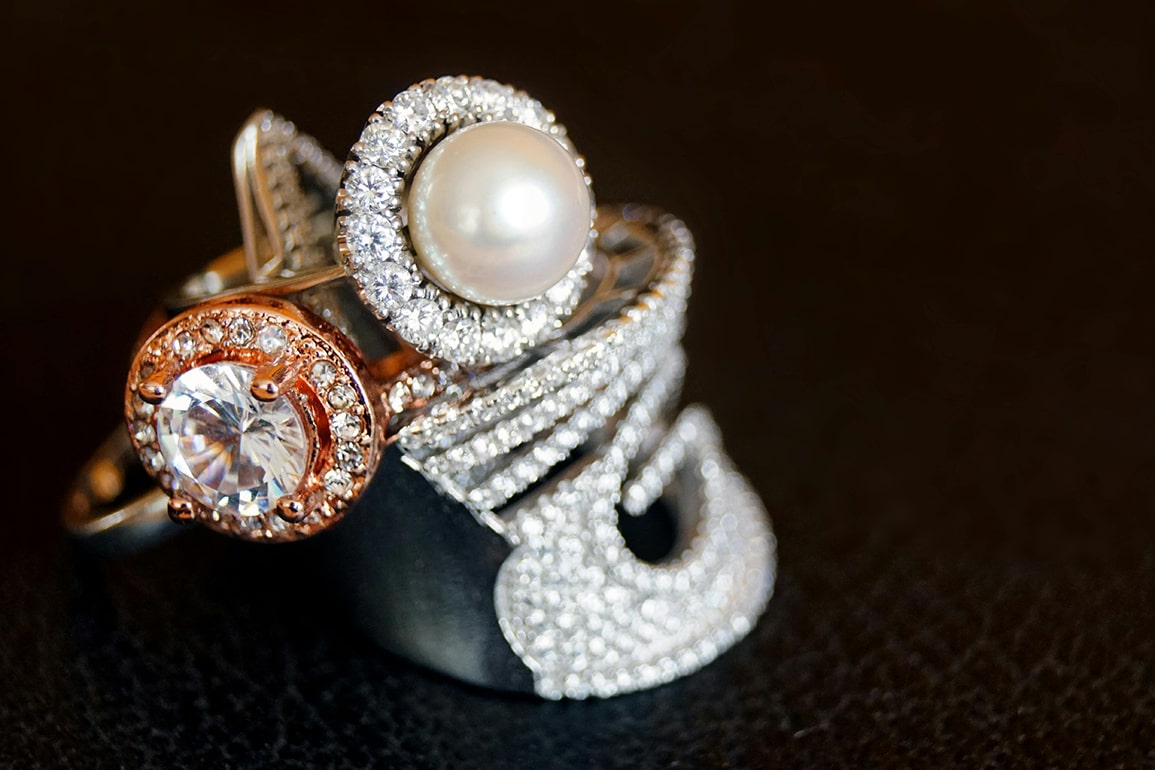
International Frameworks Supporting Jewelry Quality Standards
Global manufacturing relies on standardized frameworks to align expectations. ISO-based systems provide general guidelines for process control and documentation. Export markets often require compliance with regional safety and material regulations. These frameworks help unify quality expectations across countries. They also support certification processes during supplier evaluation. Many factories adopt hybrid systems combining internal rules with international benchmarks. This approach improves flexibility while maintaining compliance. Documentation plays a key role in audits and inspections. Transparent systems improve trust between global trading partners. Structured frameworks also reduce disputes related to inconsistent product quality.
| Standard / System | Scope | Application in Jewelry Manufacturing |
|---|---|---|
| ISO 9001 | Quality management systems | Process control, documentation, continuous improvement |
| REACH Regulation | Chemical safety (EU) | Limits hazardous substances in alloys and coatings |
| RoHS Directive | Restriction of hazardous materials | Controls lead, cadmium, and heavy metals in jewelry |
| OEKO-TEX Standard 100 | Product safety certification | Ensures skin-contact safety for wearable accessories |
| ASTM Standards | Material testing standards | Defines testing methods for durability and composition |
International compliance systems like these provide a structured foundation for global jewelry production. They help manufacturers translate regulatory expectations into operational procedures. Each framework focuses on a different aspect of safety, quality, or material control. When combined, they create a multi-layered compliance structure. This structure reduces regulatory risk and improves acceptance in export markets. Factories that integrate these systems into daily production workflows achieve more stable audit outcomes.
Supplier Audits and Compliance in Jewelry Quality Standards Systems
Supplier audits evaluate production capability and compliance levels. Auditors review documentation, equipment, and process stability. They also inspect sample products for consistency and accuracy. Traceability systems are checked to confirm batch control accuracy. Compliance scores influence buyer decisions in B2B sourcing. Regular audits encourage continuous improvement in manufacturing environments. Factories must maintain stable systems to pass repeated evaluations. One example is ocean series wide hollow wheat bracelet jewelry, where structural integrity must remain consistent across large batches. Strong audit performance increases supplier competitiveness in global markets. Reliable compliance systems support long-term business partnerships.
How Jewelry Quality Standards Shape Brand Reputation
Brand reputation in jewelry markets depends heavily on consistent product quality. Buyers expect stable performance across all shipments. Any deviation can affect customer trust and repeat orders. Strong manufacturing discipline supports brand positioning in competitive markets. Retailers often evaluate suppliers based on defect rates and delivery consistency. Inconsistent output can damage long-term commercial relationships. Jewelry quality standards ensure predictable outcomes across production cycles. They also support marketing claims related to durability and craftsmanship. Over time, consistent quality strengthens brand recognition and market credibility in both wholesale and retail channels.
FAQ
What are jewelry quality standards in manufacturing?
Jewelry quality standards are structured rules that define how jewelry must be produced and evaluated. They include material purity, craftsmanship accuracy, and finishing requirements. These systems ensure consistent output across different production batches. In B2B environments, they reduce variation and improve reliability between suppliers and buyers. Manufacturers apply inspection systems and testing procedures to confirm compliance. Documentation supports traceability and quality control at every stage. Without these systems, product inconsistency may increase significantly, affecting trust and commercial performance in global jewelry supply chains.