Why Choose a Jewelry Factory Offering Private Label Service?
-
Choose jewelry factory offering private label service for custom designs, OEM solutions, quality production, and reliable jewelry support.
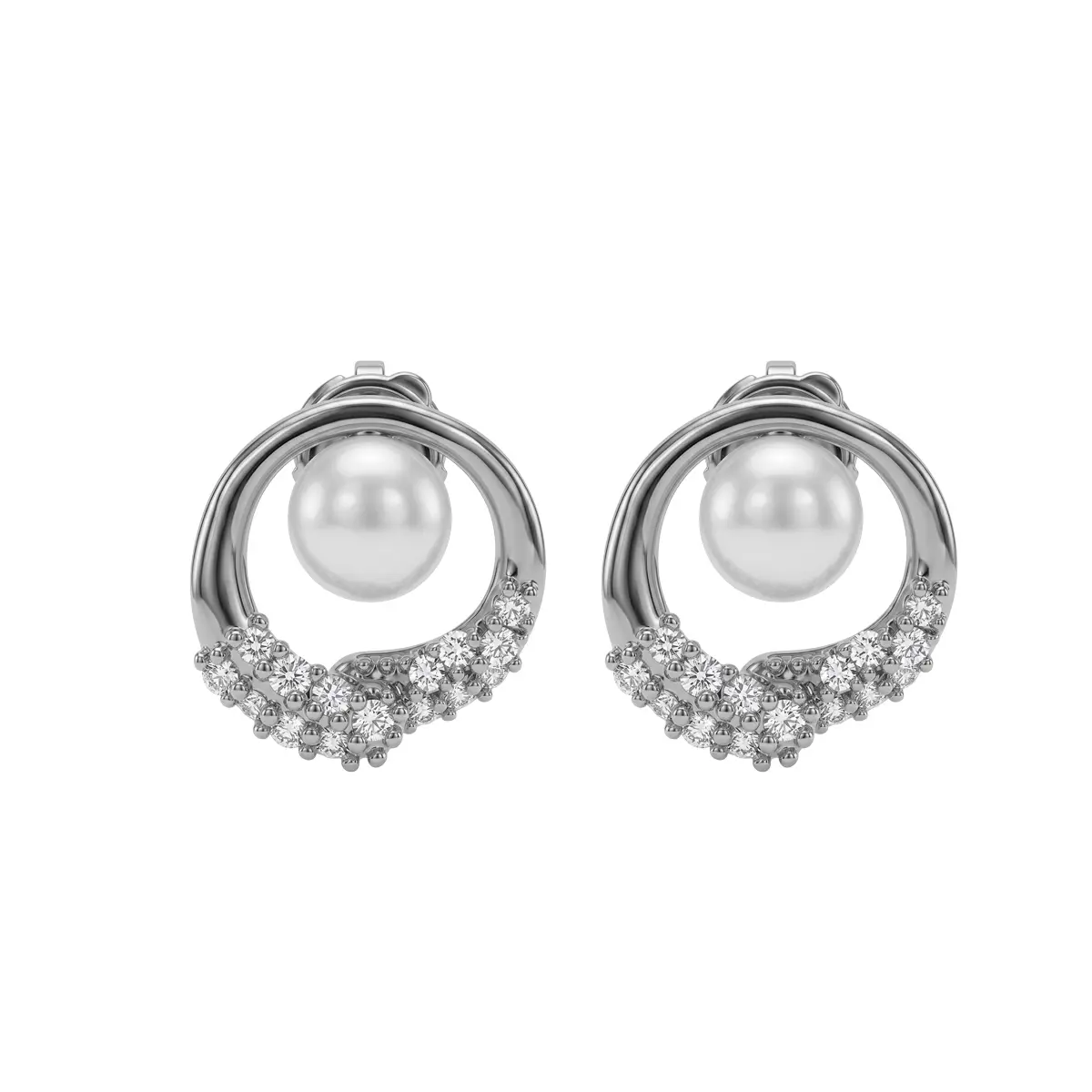
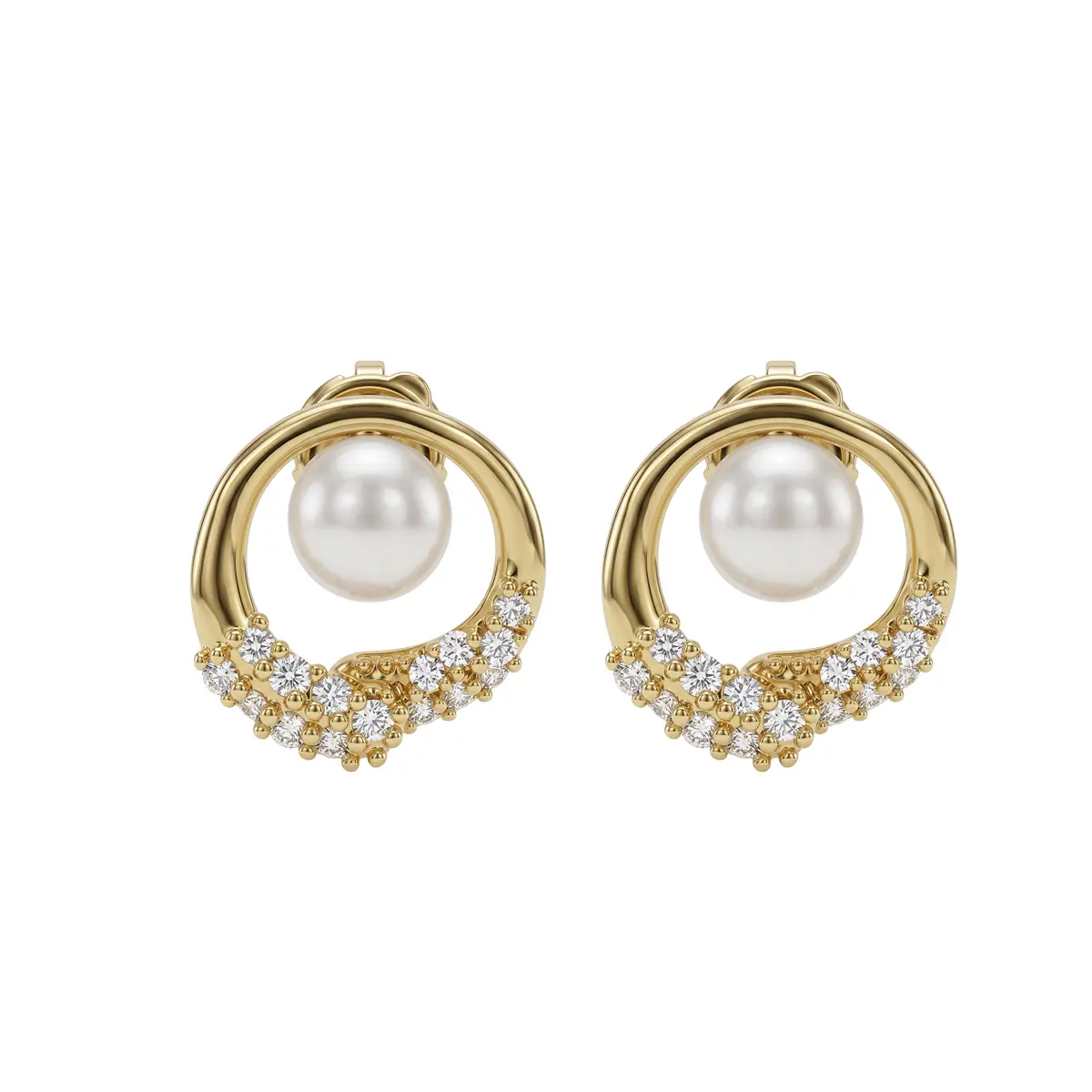
Professional jewelry brands need reliable manufacturing partners to create distinctive collections, maintain consistent quality, and respond quickly to market demands. A jewelry factory offering private label service provides customized production support for retailers, designers, and online sellers who want unique product lines without building their own facilities. These factories combine design assistance, material sourcing, production management, and quality inspection into one streamlined process. The cooperation model allows brands to focus on marketing and customer relationships while manufacturers handle technical production tasks. Selecting the right partner helps businesses achieve stable supply, flexible customization, and stronger market competitiveness in the growing jewelry industry.
Why Choose A Jewelry Factory Offering Private Label Service For Brand Growth
A jewelry factory offering private label service gives brands more control over product identity and market positioning. Instead of selling common items from standard catalogs, companies can create collections with exclusive designs, customized packaging, and brand-specific details. Experienced manufacturers provide support from concept development to finished products, including design adjustments, prototype creation, and production planning. This approach reduces operational pressure for businesses that want professional jewelry collections without investing in manufacturing equipment. Reliable factories also help maintain product consistency through strict production procedures, skilled craftsmanship, and organized supply chain management. These advantages allow brands to build stronger customer recognition and develop long-term market value.
Customized Design Support For Unique Jewelry Collection Development
Private label cooperation depends heavily on customization capability because different brands require different styles, materials, and production methods. Professional manufacturers usually provide services such as 3D modeling, sample production, surface finishing, stone setting, and packaging customization. Designers can communicate their concepts with factory teams to improve product structures and production feasibility. Technical specialists evaluate factors like metal thickness, connection strength, plating durability, and wearing comfort before mass production begins. For example, premium collections may include special items such as 18K Gold Plated Big Baroque Pearl Textured Irregular Rings, which require careful attention to pearl arrangement, surface texture, and plating quality. Detailed customization support helps brands create products that match customer expectations.
Material Selection And Craftsmanship Standards For Private Label Jewelry
Material quality directly influences jewelry appearance, durability, and customer satisfaction. Professional suppliers evaluate different materials based on design requirements, target markets, and usage conditions. Common options include stainless steel, brass, sterling silver, gold plating, cubic zirconia, natural stones, and synthetic pearls. Each material requires specific manufacturing techniques to achieve stable results. For instance, gold plating thickness affects color retention, while alloy composition influences corrosion resistance and skin comfort. Skilled craftsmen also manage processes such as polishing, electroplating, welding, and stone installation. A reliable production partner applies strict standards throughout manufacturing to reduce defects and maintain consistent quality across different batches.
| Material Type | Main Features | Common Applications | Quality Considerations |
|---|---|---|---|
| Stainless Steel | Strong durability and corrosion resistance | Bracelets, rings, necklaces | Surface finishing and material purity |
| Brass | Flexible processing and cost efficiency | Fashion jewelry collections | Plating adhesion and oxidation protection |
| Sterling Silver | Premium appearance and high value | Fine jewelry designs | Silver content and polishing quality |
| Gold Plated Materials | Luxury appearance with affordable pricing | Trendy accessories and private collections | Gold layer thickness and color consistency |
Quality Control Processes Ensure Reliable Jewelry Production
Strict quality control separates professional manufacturers from ordinary suppliers. A dependable jewelry partner checks materials before production, monitors processing stages, and inspects finished products before shipment. Inspection procedures may include plating tests, dimensional checks, stone placement reviews, and surface appearance evaluations. Production teams also verify product durability through sample testing and repeated quality assessments. These steps reduce customer complaints and protect brand reputation in competitive markets. Companies selecting manufacturing partners should review inspection systems, production experience, and factory management practices. Strong quality control creates confidence for businesses that require stable product performance across multiple collections and future orders.
| Quality Control Stage | Inspection Focus | Business Benefit |
|---|---|---|
| Material Inspection | Check metal, stones, and plating materials | Prevents quality issues before production |
| Sample Review | Evaluate design accuracy and craftsmanship | Confirms product expectations |
| Production Monitoring | Control manufacturing consistency | Maintains stable batch quality |
| Final Inspection | Check appearance and function before shipping | Reduces returns and customer complaints |
- Manufacturing experience with customized jewelry collections and different product categories.
- Material sourcing ability with stable suppliers and reliable quality control procedures.
- Design support capability for product improvement and market-focused development.
- Production management systems that maintain accurate schedules and consistent output.
- Communication efficiency for faster feedback, sampling, and order adjustments.
Cost Control Advantages Through Customized Jewelry Manufacturing
Effective cost management is another important reason businesses choose customized manufacturing partnerships. Professional factories help brands optimize expenses by recommending suitable materials, improving production methods, and reducing unnecessary processes. Instead of purchasing finished products with limited customization options, companies can create collections based on target customers and pricing strategies. Manufacturers also provide suggestions about design structures that balance appearance, durability, and production costs. For example, fashion collections may use affordable metals with advanced plating technology to achieve premium visual effects. Careful cost planning allows brands to maintain competitive pricing while protecting product quality. A reliable production partner supports better financial control through efficient manufacturing solutions and transparent cooperation methods.
| Cooperation Model | Customization Level | Cost Control Ability | Suitable Buyers |
|---|---|---|---|
| Standard Wholesale | Limited customization | Lower initial investment | Businesses needing ready products |
| Private Label Manufacturing | High customization options | Balanced cost and brand value | Brands creating exclusive collections |
| Full ODM Development | Complete design support | Higher development investment | Companies seeking unique market positioning |
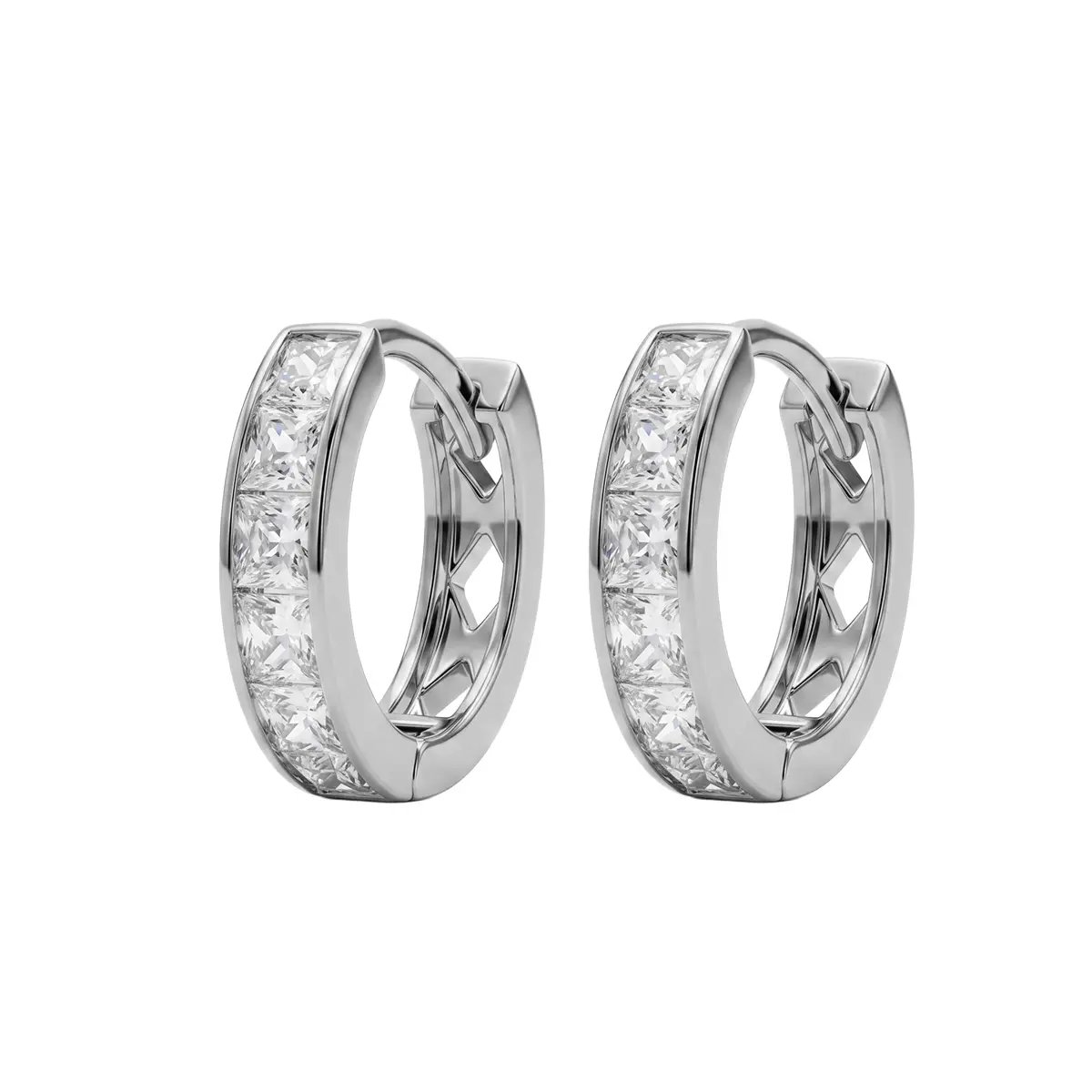
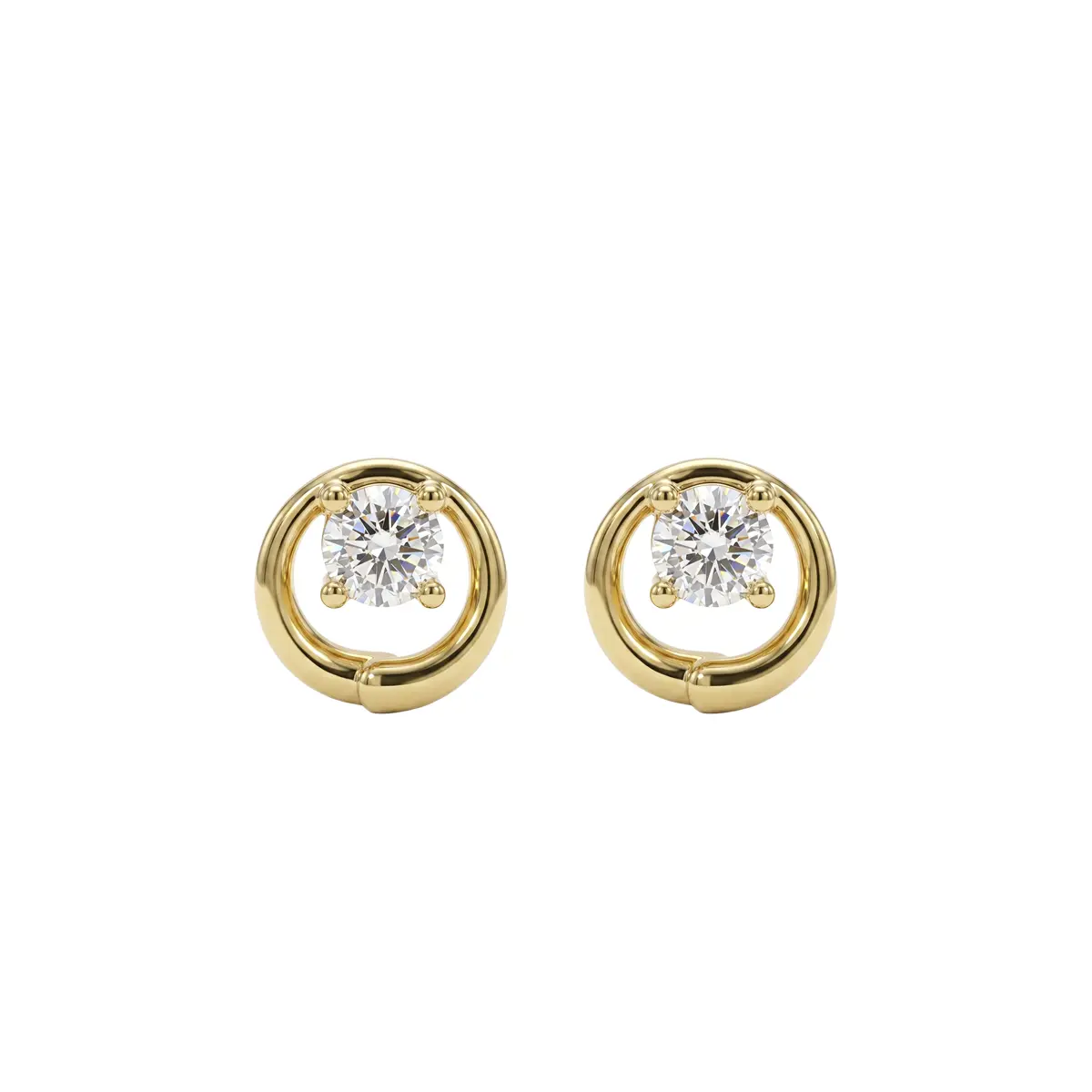
Brass Hoop Earrings Zircon Gold Plated Trendy Minimalist Jewelry represents the type of customized product that requires precise manufacturing control and attractive finishing techniques. The production process involves brass shaping, zircon setting, polishing, and gold plating to achieve a fashionable appearance. Manufacturers must control the plating thickness and surface treatment to improve durability and maintain visual consistency. This type of product demonstrates how professional factories combine design trends with production skills. Brands selecting customized jewelry partners need suppliers that can manage both creative requirements and technical details. Strong manufacturing capability helps transform product ideas into market-ready collections with reliable quality.
Building Brand Identity Through Exclusive Jewelry Collections
Exclusive product development helps brands create stronger recognition in competitive markets. A professional jewelry factory offering private label service supports companies by producing collections that match their brand image, customer preferences, and sales channels. Customized designs allow businesses to avoid direct competition with identical products from other sellers. Manufacturers can assist with packaging solutions, logo application, product variations, and collection planning. These services help brands create a complete customer experience rather than only selling individual accessories. Consistent design language also improves customer loyalty because buyers can easily identify the brand style. With professional production support, companies can expand their product ranges while maintaining a clear market position.
Reliable Cooperation With A Jewelry Factory Offering Private Label Service
Long-term success in the jewelry market depends on reliable manufacturing cooperation and continuous product improvement. A jewelry factory offering private label service provides businesses with production resources, technical experience, and customization support needed for sustainable growth. Professional factories combine skilled workers, organized processes, and quality management systems to meet different market requirements. Brands benefit from improved efficiency, stronger product control, and flexible development opportunities. Selecting a suitable partner requires attention to craftsmanship, communication, production capability, and service commitment. When manufacturers and brands work closely together, they can create attractive collections, maintain stable supply, and build stronger competitive advantages in global jewelry markets.
FAQ
How Does A Private Label Jewelry Factory Help New Brands?
A private label jewelry factory helps new brands enter the market with customized products, professional manufacturing support, and flexible production options. Instead of investing in equipment and production teams, businesses can cooperate with experienced manufacturers that already have technical resources. These partners assist with design improvement, material selection, sampling, and quality inspection. New brands can create exclusive collections that match their target customers and market positioning. Professional factories also help reduce production risks by managing manufacturing processes and maintaining consistent standards. This cooperation model allows emerging brands to focus on marketing, sales development, and customer relationships while receiving reliable product support.
What Customization Options Can Jewelry Manufacturers Provide?
Jewelry manufacturers can provide various customization options based on brand requirements and market goals. These services may include product design adjustments, material selection, logo engraving, packaging customization, color changes, stone combinations, and surface finishing choices. Experienced teams evaluate each request to ensure the design can achieve stable production results. Manufacturers also offer sample development before large orders begin, allowing brands to review appearance and craftsmanship.
Different customization levels support various business models, from small collections to large-scale product launches. With professional technical support, companies can create jewelry items that reflect their brand identity and attract specific customer groups.
Why Is Quality Control Important When Choosing A Jewelry Production Partner?
Quality control is important because jewelry directly affects brand reputation and customer satisfaction. A reliable production partner follows strict inspection procedures throughout manufacturing, from checking raw materials to reviewing finished products. Quality management helps identify issues related to plating, structure, stone placement, and surface finishing before shipment. Consistent inspection standards also ensure that repeated orders maintain similar appearance and performance. Businesses working with professional manufacturers can reduce customer complaints, improve product reliability, and strengthen market confidence. Careful quality control demonstrates manufacturing responsibility and supports long-term cooperation between brands and production partners.