
Why Choose A Jewelry OEM Manufacturer In China?
-
Personalized jewelry wholesale demand is rising driven by customization trends advanced production tech, and global B2B expansion.

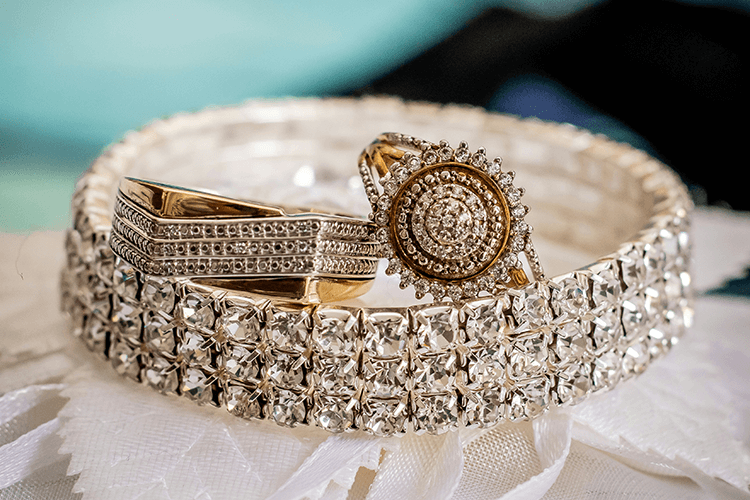
The global jewelry industry relies on stable production networks that can handle fluctuating demand. jewelry OEM manufacturer China plays a central role in this structure by offering scalable output across multiple categories. Brands often face seasonal spikes that require rapid capacity adjustment without quality loss. Chinese factories integrate casting, polishing, assembly, and packaging within unified systems. This reduces production fragmentation and shortens communication loops. Engineering teams coordinate directly with design departments for faster execution. As a result, production cycles become more predictable. International buyers benefit from synchronized workflows and stable lead times. Many enterprises use this model to expand product lines efficiently while maintaining consistent output quality across global retail channels.
Key advantages of a jewelry OEM manufacturer China in global sourcing strategies
Cost efficiency and production flexibility define the sourcing advantage in China’s jewelry sector. jewelry OEM manufacturer China supports brands through optimized labor allocation and integrated supply chains. Raw materials are sourced in bulk, reducing unit costs significantly. Tooling expenses are distributed across large production runs, improving margin control. Communication between design and engineering teams remains highly efficient. This structure reduces sampling delays and accelerates product validation cycles. Export experience further enhances documentation accuracy and compliance handling. Brands can scale operations without building internal manufacturing infrastructure. Market entry becomes faster and less risky. This system supports both emerging labels and established companies seeking expansion into competitive international markets.
Manufacturing capabilities and precision engineering in OEM jewelry production
Advanced production systems define the technical foundation of modern jewelry manufacturing. jewelry OEM manufacturer China utilizes CNC machining, vacuum casting, and electroplating technologies to achieve high precision. Each stage is controlled through standardized operating procedures. Skilled technicians perform manual refinement to ensure surface consistency and structural accuracy. Material options include brass, sterling silver, and stainless steel alloys. Digital modeling enables rapid prototyping and reduces design iteration time. Quality instruments measure hardness, thickness, and coating uniformity. These integrated capabilities ensure consistent output across both small and large batches. Continuous upgrades in automation enhance productivity while maintaining craftsmanship quality for detailed decorative components.
Quality assurance frameworks and inspection systems
Quality control operates through multi-layer inspection systems designed to minimize production defects. jewelry OEM manufacturer China implements incoming material verification before manufacturing begins. Semi-finished products undergo dimensional and structural testing during production stages. Final inspection evaluates surface finish, durability, and visual consistency. Skilled inspectors manually assess fine details under controlled lighting conditions. Digital tools measure coating thickness and alignment accuracy. Documentation systems track each batch for full traceability. Packaging inspection ensures safe transport readiness for export. Many factories adopt ISO-aligned management standards to maintain process stability. These combined systems improve reliability and reduce return rates across international distribution networks.
Cost structure optimization and supply chain efficiency
Efficient cost structures are achieved through integrated production clusters and streamlined logistics. jewelry OEM manufacturer China benefits from regional supplier networks that reduce material transportation time. Bulk procurement lowers raw material expenses significantly. Shared tooling systems reduce initial investment requirements for new designs.

Production scheduling aligns closely with demand forecasting. This reduces overproduction and inventory waste. Logistics partners handle export documentation and customs coordination efficiently. Warehousing systems consolidate shipments for optimized global distribution. These mechanisms ensure predictable pricing and stable delivery timelines. Brands gain financial flexibility and improved margin control while maintaining consistent product availability across multiple international markets.
Product diversity and design flexibility in modern jewelry manufacturing systems
Modern manufacturing ecosystems support a wide spectrum of design categories and finishing techniques. Factories can produce minimalist designs, gemstone settings, and complex artistic structures. Surface treatments include gold plating, rhodium coating, and matte finishing. The system allows rapid adaptation to fashion trends and seasonal demand shifts. Small batch production enables niche market testing. Large scale manufacturing supports global retail distribution. Designers benefit from digital sampling and rapid prototyping tools. These capabilities reduce development time and improve accuracy before mass production. A notable example includes 18k gold plated body piercings jewelry, which requires precise coating control and strict safety compliance for skin contact applications.
Material engineering and durability enhancement in jewelry production systems
Material selection directly influences product performance and longevity. Engineers evaluate alloy composition based on strength, corrosion resistance, and visual finish. Brass provides structural stability for complex designs. Sterling silver offers premium appearance and hypoallergenic properties. Stainless steel ensures durability under daily wear conditions. Electroplating layers improve surface brightness and oxidation resistance. Nickel-free formulations meet international safety regulations. Thermal treatment processes enhance hardness and structural integrity. Quality testing includes abrasion resistance and environmental exposure simulation. These engineering practices ensure long-term reliability across product categories. Manufacturers continuously refine material formulas to balance aesthetics with functional durability for global jewelry markets.
Material engineering comparison in jewelry production systems
| Material Type | Key Characteristics | Common Applications | Performance Advantage |
|---|---|---|---|
| Brass | High malleability and structural stability | Fashion jewelry, complex shapes | Cost efficient with good durability |
| Sterling Silver | Premium appearance with hypoallergenic properties | Fine jewelry collections | High aesthetic value and skin safety |
| Stainless Steel | Strong corrosion resistance and hardness | Daily wear jewelry, minimalist designs | Long lifespan and low maintenance |
| Zinc Alloy | Lightweight and easy to mold | Cost-sensitive fashion pieces | High design flexibility |

Supply chain integration and logistics coordination in jewelry OEM manufacturer China
Integrated supply chains ensure efficient coordination across production, packaging, and global distribution. jewelry OEM manufacturer China connects material sourcing directly with manufacturing schedules. Inventory systems track component availability in real time. Logistics partners manage customs clearance and international freight documentation. Warehousing facilities consolidate finished goods for shipment optimization. Digital tracking systems provide visibility across each stage of delivery. Communication platforms link clients with engineering teams for faster decision making. These systems reduce operational delays and improve supply reliability. Forecasting tools align production with seasonal demand patterns. This integrated structure enhances efficiency and ensures consistent global delivery performance across multiple markets.
Custom design development and engineering collaboration in OEM jewelry projects
Product development begins with concept evaluation and technical feasibility analysis. Engineers convert design sketches into digital 3D models. Prototypes are created to validate structure and proportions. Adjustments are made before mass production approval. Material selection and surface finishing options are defined during early stages. Stone setting structures are engineered for stability and precision. Communication between designers and technicians remains continuous throughout development. Sampling cycles ensure accuracy and alignment with brand expectations. This collaborative process reduces production risks and improves design efficiency. A custom example includes vintage style 18k gold plated zircon open bracelet bangle, which requires precise stone alignment and balanced structural tension.
Export compliance and international trade standards in jewelry manufacturing systems
Export readiness is supported through strict documentation and compliance procedures. Factories prepare material certificates, safety reports, and shipment records. Packaging standards ensure durability during international transport. Labeling systems support multilingual market requirements. Customs coordination reduces clearance delays and improves delivery efficiency. Inspection agencies verify production quality before shipment. Chemical safety testing ensures regulatory compliance across different regions. Batch traceability systems provide full production history for each order. These processes reduce import risks for global buyers. Structured compliance frameworks ensure stable international trade operations and predictable delivery outcomes across diverse markets.
Long term partnership development and operational reliability in OEM cooperation
Sustainable cooperation depends on communication efficiency, technical capability, and production consistency. jewelry OEM manufacturer China supports collaborative development between brands and factories. Engineering teams provide feasibility assessments during early design stages. Continuous feedback improves production accuracy over time. Sampling systems ensure alignment with brand requirements before mass production. Flexible manufacturing supports evolving market demands and product diversification. Communication platforms reduce misunderstanding and improve coordination speed. This partnership model strengthens innovation cycles and operational stability. It enables brands to scale confidently while maintaining consistent product quality across global distribution networks.
Market positioning and strategic value of OEM jewelry manufacturing partnerships
Strategic partnerships in manufacturing influence long-term brand competitiveness. jewelry OEM manufacturer China enables companies to optimize production cost, quality control, and design flexibility simultaneously. This integrated model supports rapid market entry and expansion. Brands can adjust collections based on consumer feedback without structural limitations. Manufacturing partners provide technical insights that improve product feasibility. Supply chain stability enhances planning accuracy for seasonal launches. Consistent quality output strengthens brand reputation in competitive retail environments. This structure allows businesses to focus on branding, marketing, and customer engagement while maintaining reliable production performance across international markets.
FAQ
What is a jewelry OEM manufacturer China and how does it work?
A jewelry OEM manufacturer China produces jewelry based on client designs and specifications. The process starts with technical evaluation of design files. Engineers convert concepts into production-ready models. Prototypes are created for approval before manufacturing begins. After confirmation, materials are sourced and production is scheduled. Manufacturing stages include casting, polishing, and assembly. Each stage follows strict inspection protocols. Quality control ensures consistency across batches. Finished products are packaged for export compliance. Logistics teams coordinate global shipping and documentation. This system enables brands to scale efficiently without owning production facilities while maintaining consistent quality and cost control.
How does quality control operate in Chinese jewelry OEM factories?
Quality control systems are structured across multiple production phases. Raw materials are tested before entering production lines. Semi-finished components undergo dimensional and structural inspection. Surface finishing is evaluated under standardized lighting conditions.