
Why Do Jewelry Suppliers Set MOQ?
-
Jewelry MOQ impacts pricing, production efficiency, and supply stability, shaping how suppliers set minimums and buyers manage orders.
The Role of Jewelry MOQ in Supplier Strategy
Jewelry MOQ defines the minimum order quantity required by suppliers in B2B transactions. It directly affects pricing, production planning, and supplier operations. Many buyers face MOQ requirements when sourcing from manufacturers. These limits are not arbitrary decisions. Instead, they reflect real cost structures and operational constraints. Factories must allocate materials, labor, and machine time efficiently. Small orders often increase production complexity and reduce profitability. Therefore, suppliers rely on MOQ to maintain stable output. Buyers who grasp these principles can negotiate more effectively. Strategic sourcing becomes easier with clear awareness of MOQ logic. This concept plays a central role in global jewelry supply chains.
Jewelry MOQ Reflects Production Cost Structure
Production costs form the foundation of MOQ decisions in jewelry manufacturing. Raw materials such as brass, stainless steel, and silver require bulk purchasing. Suppliers cannot source small quantities at competitive rates. Labor costs also increase when orders are fragmented. Workers must spend time preparing tools and setups for each batch. Tooling expenses further influence MOQ requirements. Custom molds for casting or stamping add fixed costs. These costs must be distributed across units to remain viable. Without MOQ, suppliers risk financial losses on small orders. Consistent order volumes help stabilize production expenses. Buyers benefit from better pricing when they meet these thresholds.
Jewelry MOQ Ensures Manufacturing Efficiency
Efficient production requires stable batch sizes in jewelry factories. Machines operate best when running continuous cycles. Frequent stops increase wear and reduce productivity. Setup time also impacts efficiency significantly. Each new design requires calibration and alignment. Small orders force repeated adjustments, which waste time. Workers must switch between tasks more often. This reduces overall output capacity. Suppliers use MOQ to maintain workflow consistency. Balanced production schedules improve delivery timelines. Factories can allocate resources more effectively under these conditions. Efficiency directly connects to MOQ policies in most manufacturing environments.
Jewelry MOQ Supports Supply Chain Stability
Supply chains rely on predictable demand patterns for smooth operation. Jewelry MOQ helps suppliers plan inventory and procurement cycles. Material suppliers also impose their own minimum quantities. This creates a chain of dependencies across production stages. Without MOQ, upstream suppliers face uncertainty. Inventory management becomes difficult under fluctuating order sizes. Overstock and shortages both create risks. MOQ stabilizes demand and reduces variability. Suppliers can coordinate better with plating facilities and logistics partners. Stable operations improve delivery reliability. Buyers gain consistency when supply chains function efficiently.
Jewelry MOQ Balances Pricing and Profit Margins
Pricing strategies depend heavily on order volume in jewelry production. Jewelry MOQ allows suppliers to offer competitive unit prices. Larger orders spread fixed costs across more units. This reduces the cost per piece significantly. Smaller orders increase per-unit expenses due to inefficiencies. Suppliers must protect their margins to remain sustainable. Tiered pricing structures often reflect MOQ levels. Buyers who increase order quantities can unlock better rates. This approach aligns incentives for both parties. Profitability remains stable when MOQ is respected. Strategic pricing depends on volume commitments.
Key Factors That Influence MOQ Levels
Several technical and market factors determine MOQ levels in jewelry manufacturing. Product complexity plays a major role. Intricate designs require more time and specialized tooling. Material type also affects MOQ requirements. Silver and gold involve higher material costs than alloy metals. Surface treatments such as electroplating add process steps.
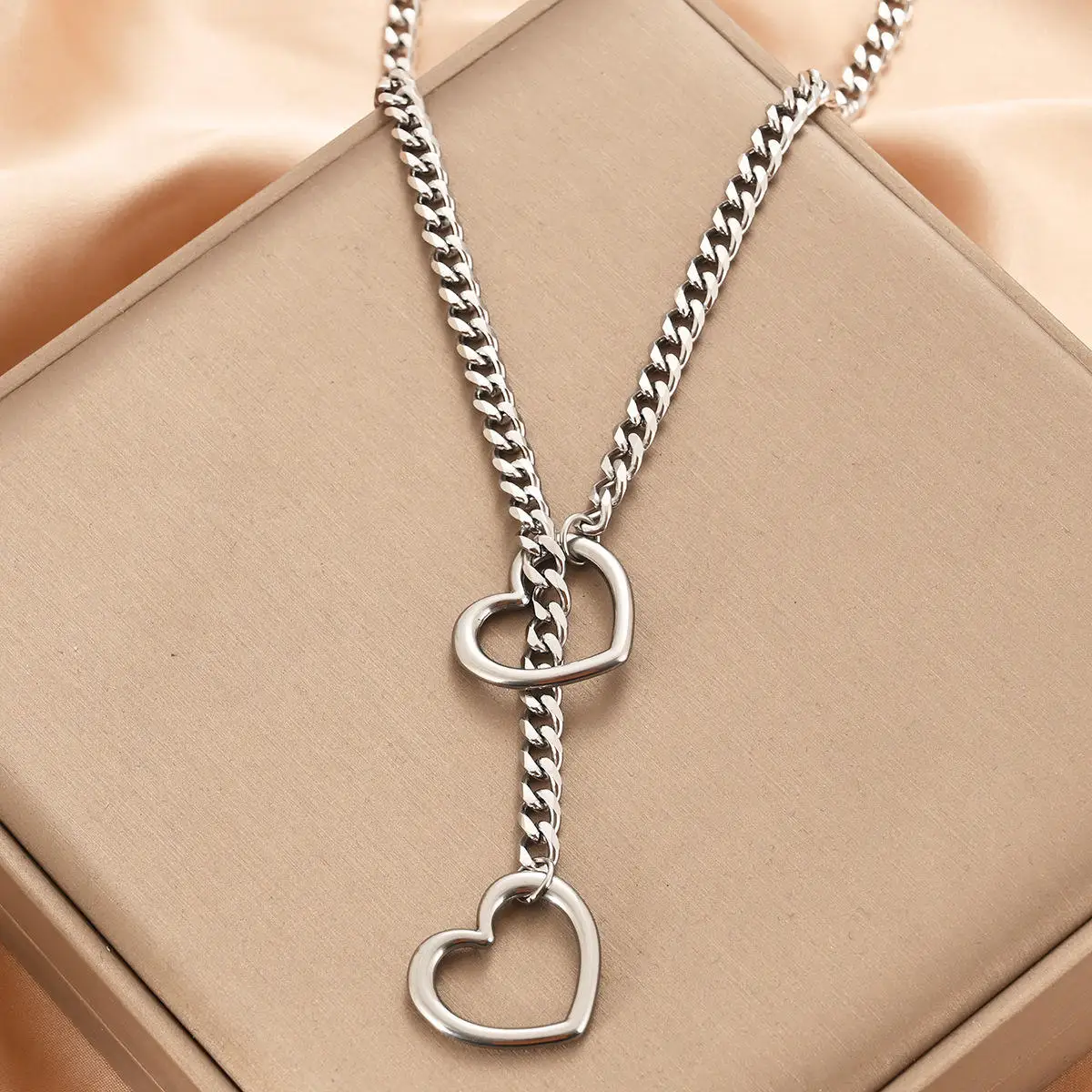
Custom engraving increases production complexity further. Market demand influences production planning decisions. Seasonal trends can raise or lower MOQ thresholds. For example, trendy stacked bracelets often require flexible production planning. Suppliers adjust MOQ based on these combined factors.
MOQ Drivers and Their Impact
| Factor | Description | Impact on MOQ |
|---|---|---|
| Material Type | Metal cost and sourcing requirements | Higher cost increases MOQ |
| Design Complexity | Intricate shapes and detailing | Complex designs raise MOQ |
| Tooling Needs | Molds and casting equipment | Custom tools increase MOQ |
| Production Volume | Batch size efficiency | Larger batches reduce MOQ pressure |
How These Factors Shape MOQ Decisions
Each factor contributes to the final MOQ set by suppliers. Material costs often dictate baseline quantities. Complex designs require longer production cycles and skilled labor. Tooling investments must be recovered across multiple units. Production volume efficiency ensures machines operate consistently. Suppliers evaluate all variables before defining MOQ levels. Buyers should analyze these factors during negotiations. Clear communication can lead to flexible arrangements. Knowledge of cost drivers improves sourcing outcomes. Strategic planning reduces procurement risks significantly.
Common MOQ Ranges Across Jewelry Categories
MOQ varies widely across different jewelry categories and production models. Fashion jewelry typically has lower MOQ due to simpler designs. Fine jewelry often requires higher MOQ because of material value. OEM production involves custom specifications, which increases MOQ. ODM models may offer lower thresholds with standard designs. Wholesale suppliers usually set fixed MOQ levels for bulk buyers. Private label brands may face higher requirements for customization. For example, women chunky jewelry luxury bangle production often involves specialized molds. This increases MOQ compared to simple accessories.
MOQ Comparison by Jewelry Type
| Jewelry Type | Typical MOQ | Key Influencing Factor |
|---|---|---|
| Rings | 100-300 pieces | Size variation |
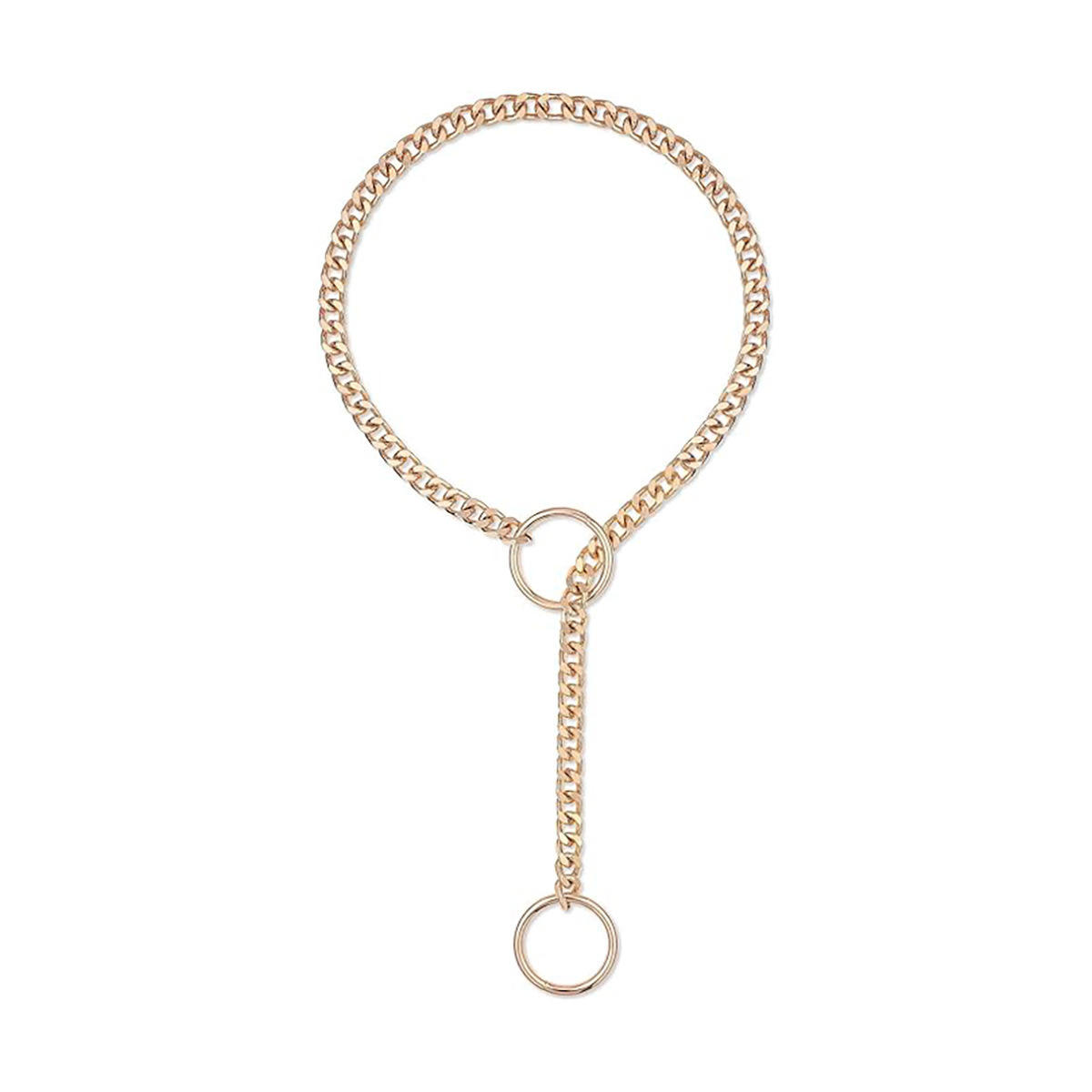
| Necklaces | 50-200 pieces | Chain complexity |
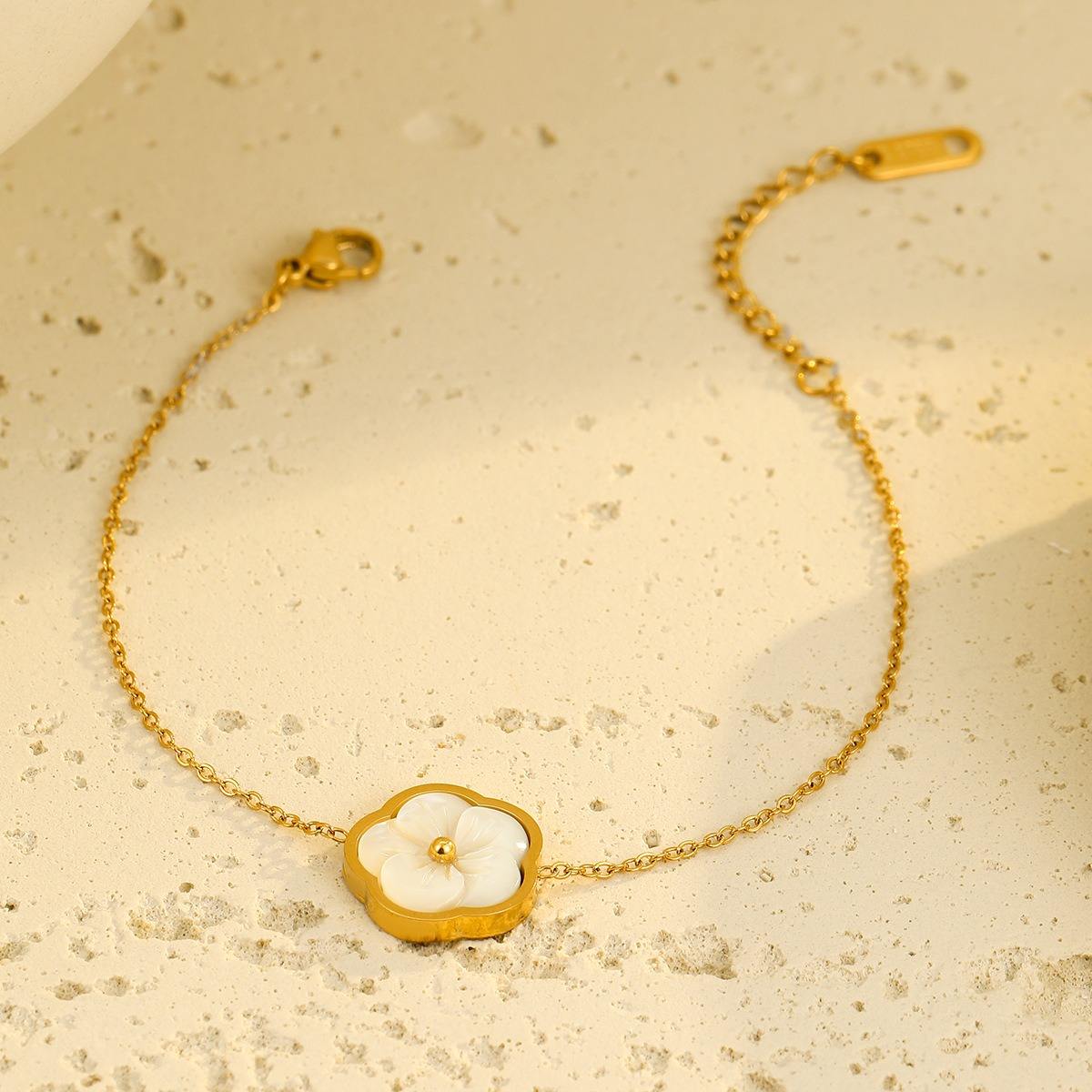
| Bracelets | 100-500 pieces | Design and material |
| Earrings | 200-1000 pieces | Mass production efficiency |
Interpreting MOQ Differences Across Categories
Different jewelry types require unique production approaches. Rings involve multiple sizes, which complicate inventory planning. Necklaces depend on chain sourcing and assembly processes. Bracelets vary in structure and finishing techniques. Earrings often allow high-volume production due to simpler designs. Suppliers adjust MOQ based on these characteristics. Buyers should align product selection with MOQ expectations. Category analysis helps optimize procurement strategies. Proper planning reduces excess inventory and improves cost control.
List: Practical Ways Buyers Can Negotiate MOQ
- Combine multiple designs into one production batch
- Accept higher unit pricing for smaller orders
- Request stock-based options instead of custom designs
- Build long-term relationships with suppliers
- Use phased orders to meet MOQ gradually
Effective MOQ Negotiation Strategies for Buyers
Negotiation requires a balance between flexibility and commitment. Combining designs helps suppliers maintain production efficiency. Higher pricing can offset smaller order volumes. Stock designs eliminate tooling costs and reduce MOQ pressure. Long-term cooperation builds trust and opens negotiation opportunities. Phased ordering allows gradual scaling of production. Buyers should present realistic forecasts during discussions. Transparent communication improves outcomes significantly. Strategic negotiation leads to better supplier relationships.
How Buyers Should Evaluate MOQ in Procurement Strategy
Buyers must evaluate MOQ within their broader procurement strategy. Inventory risk plays a critical role in decision making. Large orders reduce unit cost but increase storage requirements. Market testing requires smaller initial quantities. Cash flow constraints also influence purchasing decisions. Businesses must balance cost savings with operational flexibility. Demand forecasting improves MOQ planning accuracy. Suppliers often support adjustments based on long-term potential. Strategic evaluation leads to better purchasing outcomes. MOQ should align with business growth objectives.
Conclusion: Strategic Value Behind MOQ Decisions
MOQ represents a strategic tool for both suppliers and buyers. It ensures efficient production and stable supply chain operations. Suppliers rely on MOQ to manage costs and maintain profitability. Buyers benefit from lower prices and consistent quality. Collaboration between both parties improves outcomes. Clear communication reduces misunderstandings during negotiations. MOQ should not be viewed as a barrier. Instead, it reflects operational realities in manufacturing. A balanced approach leads to successful partnerships. Long-term cooperation creates mutual value in B2B jewelry trade.
FAQ
What does jewelry MOQ mean in B2B trade?
Jewelry MOQ refers to the minimum quantity a supplier requires per order. It ensures production efficiency and cost control. Suppliers use MOQ to cover material sourcing, labor setup, and tooling costs. Without MOQ, small orders may result in financial losses. Buyers encounter MOQ when working with manufacturers or wholesalers. It varies depending on product type, complexity, and customization level. Clear MOQ awareness helps buyers plan inventory and budgets more effectively. It also supports smoother communication with suppliers. Strong clarity improves decision making in procurement processes.
Can buyers reduce jewelry MOQ requirements?
Buyers can reduce MOQ under certain conditions through negotiation. Suppliers may accept smaller orders with higher unit prices. Flexible arrangements often depend on relationship strength and future potential. Choosing standard designs instead of custom items can lower MOQ. Combining multiple products into one order also helps. Some suppliers allow trial orders for new clients. Long-term cooperation increases negotiation power significantly. Buyers should present realistic forecasts and growth plans. Clear communication improves flexibility during discussions. Strategic negotiation often leads to more favorable MOQ terms.
How does jewelry MOQ affect pricing?
MOQ directly impacts pricing in jewelry manufacturing. Larger orders reduce the cost per unit significantly. Fixed costs such as tooling and setup are distributed across more items. Smaller orders increase production costs and reduce efficiency. Suppliers adjust pricing tiers based on quantity levels. Buyers who meet MOQ thresholds receive better rates. Pricing strategies align with production efficiency and margin protection. This relationship helps buyers optimize purchasing decisions. Balanced order sizes improve both cost efficiency and operational stability.