
Why Does A Jewelry Production Timeline Vary?
-
Find the best jewelry for mom this Mother’s Day. Discover symbolic, personalized gifts and classic styles that show your lasting love.

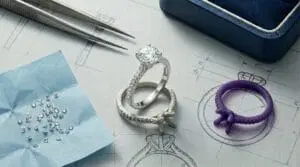
A jewelry production timeline covers every stage from concept to final delivery. It includes design, sourcing, manufacturing, finishing, and logistics coordination. Each stage introduces variables that affect overall lead time. In B2B manufacturing, customization requests often increase technical complexity and process variation. Material sourcing conditions, factory capacity, and engineering requirements create differences across projects.
Production speed relies on effective coordination between suppliers, engineers, and quality teams. Delays often arise from incomplete specifications or unstable material supply. Structured planning reduces uncertainty, but variation cannot be fully eliminated. Market demand fluctuations and seasonal peaks also influence factory scheduling. Clear visibility of these factors helps buyers control risks and maintain stable procurement outcomes.
How Material Selection Impacts Production Duration
Material selection directly affects manufacturing speed and workflow stability. Precious metals such as gold require strict purity control and careful handling. Silver offers easier processing but still demands anti-tarnish treatment. Stainless steel increases machining difficulty due to hardness and tool wear. Brass provides flexibility but requires additional plating to meet quality standards.
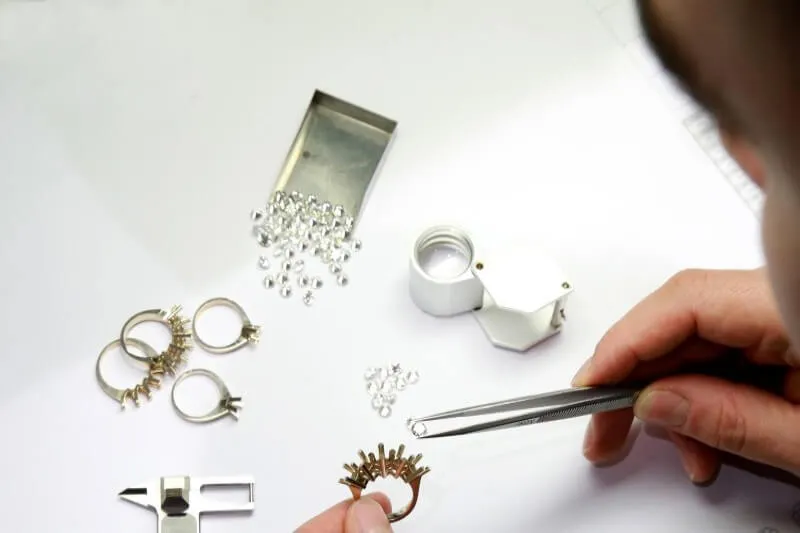
Gemstone sourcing adds another layer of complexity. Natural stones require grading, cutting, and matching for consistency. Synthetic stones offer faster availability but may need custom sizing. Plating materials also influence timelines. Rhodium and gold plating require controlled thickness and multiple layers. These material decisions often extend the jewelry production timeline due to inspection and processing demands.
| Material Type | Processing Difficulty | Lead Time Impact |
|---|---|---|
| Gold | High | Long |
| Silver | Medium | Moderate |
| Stainless Steel | High | Long |
| Brass | Low | Short |
Material complexity determines both production speed and quality consistency. Buyers must balance cost, durability, and lead time when selecting materials. Early material confirmation prevents delays during sourcing and processing stages.
Design Complexity And Engineering Requirements
Design complexity significantly influences development time and manufacturing feasibility. Simple shapes require minimal engineering, while intricate designs demand detailed CAD modeling. Designers must consider stone settings, structural strength, and wear resistance. Each revision adds time to the development phase.
Prototype creation involves mold production and sample casting. Complex molds require precision machining and testing. Adjustments often occur after initial sampling due to structural issues. Products like retro style jewelry require detailed surface textures and artistic elements. These features increase production steps and inspection requirements.
Engineering teams also evaluate manufacturability before mass production. Weak structures or thin components may require redesign. This process ensures durability but extends timelines. As a result, design complexity plays a major role in shaping the jewelry production timeline for customized projects.
Manufacturing Processes And Workflow Differences
Different manufacturing methods create variations in production speed and efficiency. Casting suits complex shapes but requires mold preparation and cooling time. Stamping offers faster output for simple designs with consistent thickness. CNC machining provides precision but increases production costs and cycle time.
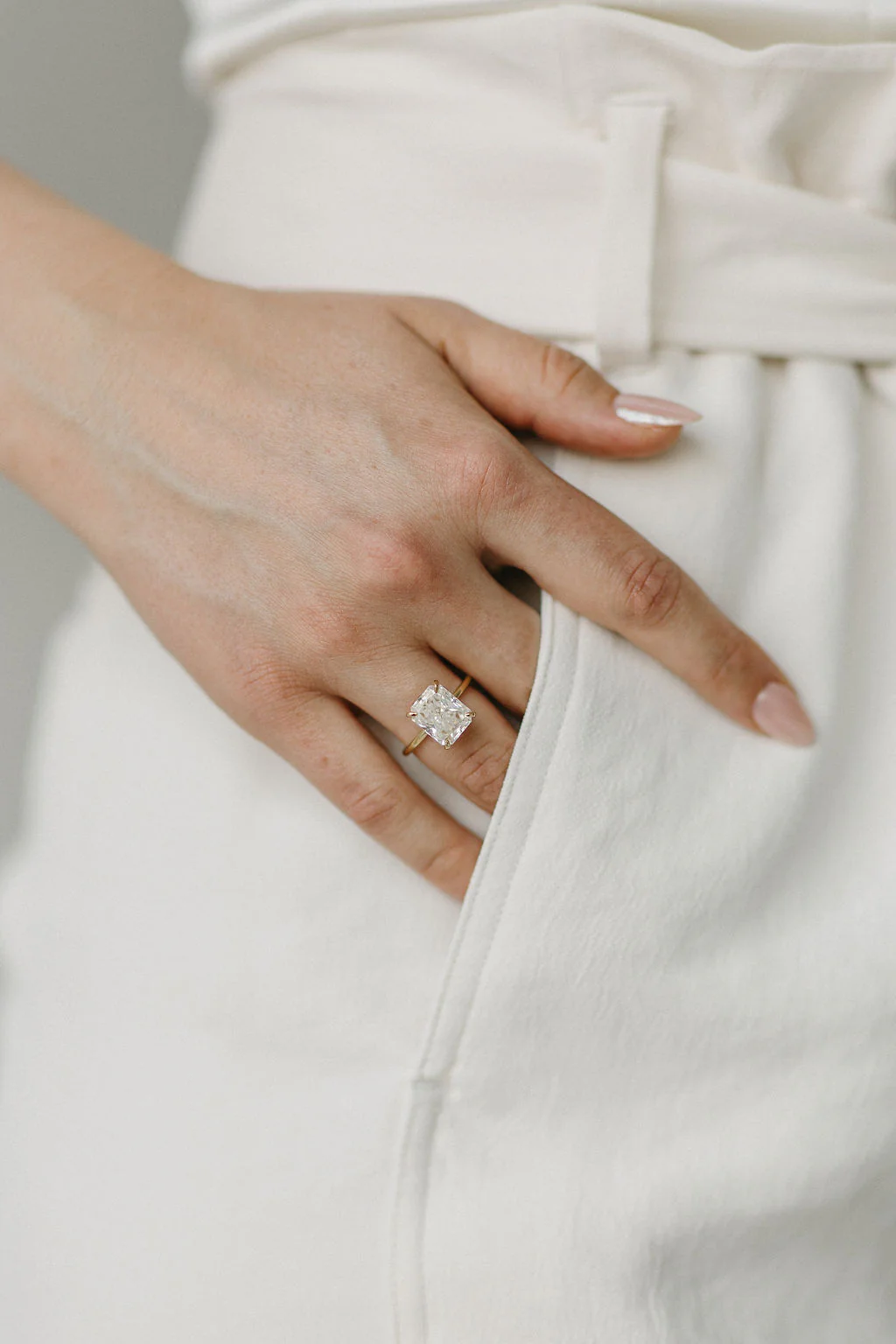
Handcrafted processes introduce variability due to manual skill levels. Automated systems improve consistency but require setup and programming. Assembly processes also affect timelines. Multi-component jewelry requires alignment, soldering, and inspection at each stage. These workflow differences directly influence the jewelry production timeline in large-scale manufacturing.
| Process Type | Speed | Consistency |
|---|---|---|
| Casting | Medium | High |
| Stamping | Fast | High |
| CNC Machining | Slow | Very High |
| Handcraft | Variable | Medium |
Process selection must align with design complexity and order volume. Efficient workflow planning reduces bottlenecks and ensures stable output across production stages.
Surface Finishing And Quality Standards Influence
Surface finishing determines both product appearance and durability. Polishing removes surface imperfections and enhances shine. Electroplating adds protective layers that resist corrosion and wear. PVD coating provides advanced durability and color retention. Each method requires precise control and inspection.
Quality standards vary depending on target markets. High-end markets require strict tolerance control and flawless finishes. Mass markets prioritize efficiency while maintaining acceptable quality levels. Inspection procedures include thickness testing, adhesion testing, and visual checks. These finishing requirements can extend the jewelry production timeline due to additional processing stages.
Products like waterproof gold plated bead bracelets require additional sealing and coating steps. These enhancements improve resistance to moisture and wear. However, they extend production time due to multiple processing layers and curing periods.
Order Quantity And Production Scheduling Constraints
Order quantity plays a critical role in production efficiency and scheduling. Large orders benefit from economies of scale and streamlined workflows. Small orders often face higher setup costs and longer per-unit production time. Factories prioritize larger orders during peak seasons, which affects smaller buyers.
Production scheduling depends on machine availability and workforce allocation. Factories manage multiple projects simultaneously, creating potential delays. Batch production improves efficiency but requires sufficient order volume. These scheduling dynamics significantly impact the jewelry production timeline across different order sizes.
| Order Size | Efficiency | Scheduling Priority |
|---|---|---|
| Small Batch | Low | Low |
| Medium Batch | Moderate | Medium |
| Large Batch | High | High |
Buyers should align order size with production capacity to optimize lead time. Early booking ensures better scheduling and reduces delays during busy periods.
Supply Chain And Raw Material Availability
Supply chain stability directly impacts production timelines. Metal prices fluctuate based on global markets, affecting procurement speed. Gemstone sourcing depends on availability and quality requirements. Reliable suppliers reduce delays and ensure consistent material quality.
Logistics also influence timelines. International shipping introduces customs clearance and transportation delays. Inventory management helps mitigate these risks by maintaining buffer stock. Disruptions in sourcing often extend the jewelry production timeline, especially for custom materials.
Effective supply chain planning improves predictability and reduces disruptions. Buyers should work with suppliers who maintain strong sourcing networks and stable logistics systems.
Compliance, Certifications, And Testing Requirements
Compliance requirements add additional steps to the production timeline. Regulations such as REACH and CPSIA define safety standards for materials. Jewelry must meet limits for substances like nickel and lead. Testing ensures compliance before market entry.
Certification processes involve laboratory testing and documentation. Each test requires sample preparation and analysis. Failed tests result in redesign and reprocessing, which increases lead time. These regulatory procedures can significantly affect the jewelry production timeline in international markets.
Manufacturers must integrate compliance checks into production workflows. Early testing reduces risks and prevents delays during final inspection stages.
Communication Efficiency In B2B Collaboration
Effective communication plays a critical role in production efficiency. Clear specifications reduce misunderstandings and rework. Buyers should provide detailed drawings, material requirements, and finishing standards.
Frequent revisions slow down production and increase costs. Sample approval cycles require coordination between both parties. Delays often occur when feedback is unclear or incomplete. Poor communication can extend the jewelry production timeline and create unnecessary production risks.
Strong communication improves collaboration and ensures alignment across all stages. Structured workflows and documentation help maintain consistency and reduce unnecessary delays.
Typical Jewelry Production Timeline Breakdown Table
| Stage | Description | Estimated Time |
|---|---|---|
| Design | CAD modeling and revisions | 3-7 days |
| Sampling | Prototype creation and approval | 7-14 days |
| Production | Mass manufacturing | 15-30 days |
| Finishing | Polishing and plating | 5-10 days |
| Inspection | Quality control checks | 2-5 days |
| Shipping | Logistics and delivery | 5-15 days |
Each stage contributes to the overall timeline and introduces potential variability. Efficient coordination between stages ensures smooth production flow and timely delivery.
Key Factors That Delay Or Accelerate Production
- Material availability and sourcing speed
- Design complexity and revision frequency
- Manufacturing method and process efficiency
- Order quantity and factory capacity
- Quality standards and inspection requirements
- Communication clarity between buyer and supplier
These factors interact throughout the production cycle. Managing them effectively improves efficiency and reduces unexpected delays.
Strategic Methods To Optimize Jewelry Production Timeline
Optimizing a jewelry production timeline requires strategic planning and supplier collaboration. Buyers should finalize designs and materials before production begins. Early sampling reduces risks and ensures accurate mass production.
Selecting experienced manufacturers improves efficiency and quality consistency. Reliable factories maintain stable supply chains and advanced production systems.
Clear communication and structured workflows prevent delays caused by misunderstandings. Buyers should also plan orders ahead of peak seasons. These strategies improve predictability and reduce lead time in B2B jewelry manufacturing.
FAQ
What Is The Average Jewelry Production Timeline For Bulk Orders?
Bulk orders usually require between 30 and 60 days for completion. The timeline depends on design complexity, material availability, and factory capacity. Simple designs with common materials often move faster through production. Complex designs require longer development and finishing stages. Sampling and approval processes also influence the total duration.
Factories often prioritize large orders, which improves efficiency but may extend waiting time. Logistics and shipping add additional days depending on the destination. Buyers should confirm timelines with suppliers before placing orders. Early planning and clear specifications help reduce delays and ensure smooth production.
How Can Buyers Shorten Jewelry Production Time Without Affecting Quality?
Buyers can reduce production time by providing complete and accurate specifications. Detailed drawings and material requirements prevent unnecessary revisions. Early confirmation of samples ensures faster transition to mass production. Selecting experienced suppliers also improves efficiency and reduces errors.
Batch ordering increases production efficiency and lowers setup time. Maintaining clear communication with manufacturers helps avoid misunderstandings. Buyers should also plan orders during off-peak seasons to secure better scheduling. These strategies help maintain quality while improving production speed and delivery performance.
Why Do Samples Take Longer Than Bulk Production?
Sample production requires additional steps that do not exist in mass production. Engineers must create molds and test structural feasibility. Each sample undergoes evaluation and possible redesign before approval. These processes increase development time significantly.
Bulk production benefits from established workflows and optimized processes. Once the design is finalized, factories can produce items efficiently. Sampling focuses on accuracy and validation rather than speed. Buyers should expect longer timelines during this phase. Proper planning ensures smoother transition from sampling to full-scale production.