Why Is Jewelry Quality Inspection Important?
-
Jewelry quality inspection ensures material accuracy, durability, and compliance with standards, reducing defects, returns, and risks.
Jewelry quality inspection plays a critical role in modern manufacturing and retail systems. Buyers expect precise craftsmanship, stable materials, and consistent finishing quality. Reliable inspection ensures every piece meets strict standards before reaching customers. Strong quality control reduces risks and protects brand reputation. Many businesses rely on this process to maintain trust and credibility. Poor quality can damage customer loyalty and lead to costly returns. Effective evaluation also improves operational efficiency across production cycles. Careful checks help identify defects early and prevent large-scale issues. Ultimately, this process supports long-term growth and customer satisfaction.
Key Standards Applied in Jewelry Quality Inspection
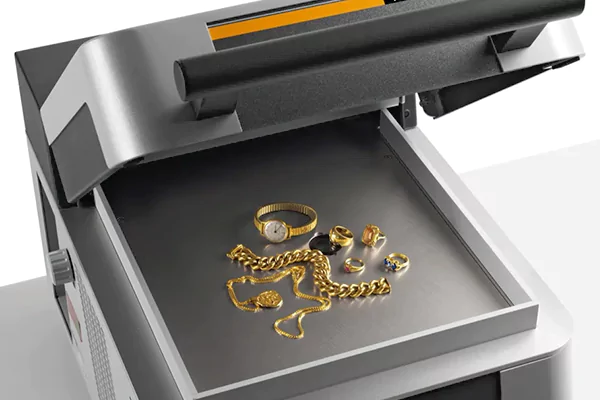
Strict standards guide every stage of quality evaluation in jewelry production. Material purity remains a core factor in inspection processes. X-ray fluorescence testing verifies precise metal composition quickly and accurately. Surface finishing must meet visual and tactile expectations.Plating thickness is carefully measured to ensure durability and wear resistance. Common plating thickness ranges between 0.03 and 0.5 microns. Adhesion testing ensures coatings bond strongly to base metals. Nickel release testing follows EU REACH standards for skin safety compliance. These measurable criteria ensure products meet durability and regulatory requirements.
How Jewelry Quality Inspection Ensures Consumer Safety and Durability
Consumers benefit from technical validation of materials and construction methods. Skin-safe jewelry requires strict control of allergenic metals like nickel or lead. Laboratory testing simulates sweat exposure to evaluate chemical stability. Coatings must resist corrosion from moisture and body oils. Mechanical tests measure clasp fatigue resistance through repeated opening cycles. Strong solder joints prevent breakage during daily wear. Reliable inspection reduces risks of irritation, discoloration, or structural failure. This technical assurance increases consumer confidence and enhances long-term product satisfaction significantly.
Common Defects Identified During Jewelry Quality Inspection
Inspection processes help detect a wide range of common defects. Scratches often result from improper polishing techniques or abrasive selection. Uneven electroplating can cause discoloration or early wear. Coating thickness inconsistencies are measured using precision gauges. Loose stones often indicate weak prong settings or incorrect angles. Internal porosity may weaken metal structure under stress conditions. Misaligned hinges reduce comfort and usability during wear. Early detection prevents these issues from reaching customers. Consistent monitoring improves product reliability across all production batches.
The Role of Jewelry Quality Inspection in Brand Reputation
Brand reputation depends heavily on consistent product quality and performance. Customers associate reliability with well-tested jewelry products. Consistent evaluation ensures each item meets defined technical specifications. Stable performance builds trust and encourages repeat purchases. Poor quality can quickly damage a company’s public image. Reliable inspection processes reduce variation between production batches. High-end brands apply stricter tolerance and testing standards. These practices strengthen perceived value and customer loyalty. Strong quality control becomes a key competitive advantage in global markets.
Jewelry Quality Inspection in Manufacturing Processes
Inspection is integrated into every stage of jewelry manufacturing workflows. Raw materials undergo chemical composition testing before production begins. Casting processes require temperature control to ensure dense metal structures. Monitoring these parameters prevents internal defects effectively. Polishing stages use specific abrasives to achieve smooth finishes. Electroplating involves controlled current density and chemical balance. Final inspection verifies dimensional accuracy and surface consistency. This structured approach reduces waste and improves production efficiency. Process control ensures stable and predictable product quality outcomes.
Key Tools and Techniques Used in Jewelry Quality Inspection
Modern inspection relies on advanced instruments and skilled human evaluation. X-ray fluorescence analyzers determine metal composition with high precision. Microscopes reveal surface defects that remain invisible to the naked eye. Thickness gauges measure plating layers at micron-level accuracy. Tensile testing evaluates structural strength under applied force. Salt spray testing simulates corrosion in harsh environmental conditions. Digital imaging systems document defects for traceability and reporting. Skilled inspectors interpret results to ensure compliance with technical standards. These tools improve consistency and reduce inspection errors significantly.
Benefits of Consistent Jewelry Quality Inspection for Businesses
Consistent inspection delivers measurable operational and financial benefits. Key advantages include:
- Reduced defect rates through early detection and correction
- Improved process efficiency with data-driven quality control
- Enhanced product durability through verified material performance
- Stronger compliance with international safety regulations
- Increased customer retention due to consistent product quality
These benefits highlight the importance of structured quality management systems. Businesses that invest in inspection achieve better production stability. Reliable processes reduce variability and improve manufacturing performance. Over time, this leads to stronger competitiveness and sustainable growth.
Comparison of Inspected vs Non-Inspected Jewelry
| Attribute | Inspected Jewelry | Non-Inspected Jewelry |
|---|---|---|
| Material Composition | Verified with XRF testing | Unverified alloy content |
| Plating Quality | Controlled thickness and adhesion | Uneven and prone to peeling |
| Durability | Tested for mechanical strength | Unpredictable performance |
| Customer Experience | Stable and reliable | Inconsistent and risky |
This comparison highlights technical differences between controlled and uncontrolled production. Inspected products undergo measurable validation at each stage. A stainless steel bracelet must pass corrosion and fatigue testing procedures. Without inspection, hidden defects can significantly reduce product lifespan. Consistent evaluation ensures reliable performance across different product categories. Reliable systems create trust for both businesses and consumers.
How to Choose Reliable Jewelry Quality Inspection Services
Selecting a reliable inspection partner requires technical knowledge and evaluation. Providers should use calibrated tools like XRF analyzers and thickness gauges. Jewelry quality inspection services must follow ISO 9001 quality management standards. Inspectors should understand electroplating chemistry and metal behavior under stress. Reports must include measurable data and clear defect classifications. Experience across materials ensures accurate evaluation of various jewelry types. A stainless steel jewelry set requires consistent finishing and matching composition. Reliable partners help maintain stable production quality and reduce operational risks effectively.
Conclusion: Long-Term Value of Jewelry Quality Inspection
Quality inspection supports both technical performance and business sustainability. It ensures consistent material behavior and structural durability. Strong systems reduce risks and improve production efficiency. Effective control enhances brand credibility and market competitiveness. Businesses benefit from lower defect rates and higher customer satisfaction. Consumers gain safer and longer-lasting products through verified quality. Continuous investment in inspection strengthens long-term growth potential. Reliable quality control remains essential for maintaining excellence in jewelry manufacturing.
FAQ
What does jewelry quality inspection include?
Jewelry quality inspection includes material verification, structural testing, and surface evaluation. Inspectors analyze metal composition using X-ray fluorescence technology. Surface finishing is examined for scratches, plating defects, and color consistency. Mechanical tests evaluate clasp durability and joint strength under repeated use. Chemical testing ensures compliance with safety standards such as REACH regulations. Dimensional checks confirm design accuracy and assembly precision. Functional testing verifies moving parts operate correctly. These combined procedures ensure each piece meets defined technical specifications. Thorough inspection reduces defects and improves product reliability significantly.
How often should jewelry be inspected during production?
Jewelry should be inspected at multiple stages during production. Raw materials require testing before entering manufacturing processes. In-line inspections monitor critical steps such as casting and plating stages. Final inspection ensures finished products meet all technical standards. High-volume production requires statistical sampling and process control methods.Inspection at different stages reduces cumulative defects effectively. Automated monitoring systems provide real-time quality data during manufacturing. Complex designs often require additional inspection checkpoints. Consistent evaluation ensures stable quality and minimizes production risks across batches.
Can jewelry quality inspection reduce business costs?
Jewelry quality inspection significantly reduces long-term operational costs for manufacturers. Early defect detection prevents expensive rework and material waste. Process optimization improves efficiency and reduces production downtime. It minimizes return rates and warranty claims. Consistent quality reduces customer complaints and service expenses. Inspection data helps identify root causes of recurring defects. Businesses improve processes based on measurable insights over time. Although inspection requires investment, cost savings increase significantly. Strong quality systems support profitability and sustainable growth in competitive markets.