
Why Use A Rapid Jewelry Production Supplier Today?
-
Rapid jewelry production supplier solutions help B2B buyers cut lead times, secure quality, control costs, and scale launches fast.


A rapid jewelry production supplier helps brands answer fast market shifts. Buyers now expect frequent launches and fresh collections. Retail calendars move quicker than before. Delays can erase seasonal demand. Fast suppliers shorten the gap between concept and shelf. They help wholesalers test trends with lower risk. Retail chains also need steady replenishment during peaks. Online sellers depend on speed for viral demand. Strong factories combine planning, tooling, and clear communication. That mix protects margin and reputation. Many importers now treat speed as a core metric. In B2B trade, timing often decides who wins large accounts. Brands using faster partners usually react better to changing customer tastes.
How a Rapid Jewelry Production Supplier Improves Lead Time
Speed starts with organized development systems. Skilled teams convert sketches into CAD files quickly. Engineers check dimensions before tooling begins. That step reduces rework later. Sample rooms can create prototypes within days. Digital approvals also save shipping time. Buyers review photos, videos, and measurements fast. Mold shops then prepare accurate forms for mass runs. Production managers balance lines by order priority. Raw materials are booked early through planning software. A rapid jewelry production supplier often links sales and factory data. That visibility prevents hidden delays. Quick action matters for trend items like stainless steel dopamine zircon pendant anklet when demand rises suddenly across online channels worldwide.
Quality Control Standards for Fast Jewelry Manufacturing
Fast output should never mean weak standards. Reliable factories inspect metals before production starts. They verify alloy composition and surface condition. Plating teams measure coating thickness carefully. Common methods include XRF testing and salt spray checks. Stone setting teams test claw pressure and glue strength. Polishing staff inspect scratches under bright lamps. Assembly teams verify clasps, jump rings, and hinges. Final auditors use AQL sampling before packing. Barcode checks reduce carton mistakes. Good factories document each stage clearly. A rapid jewelry production supplier with strong controls lowers return rates. Buyers should request reports regularly. Speed and discipline can work together when systems stay consistent every day.
Cost Benefits for B2B Buyers
Fast supply often creates real savings. Delayed inventory ties up cash longer. Quick production lets buyers place smaller launches first. They can reorder winners later. That method reduces dead stock exposure. Warehousing costs also fall with tighter cycles. Brands spend less on emergency freight when schedules hold. Sales teams gain confidence during retailer negotiations. Better timing supports stronger full price sell through. A rapid jewelry production supplier can also consolidate multiple SKUs into one shipment. Buyers then reduce paperwork and handling charges. Profit improves through many small gains. Speed is not only about delivery dates. It shapes healthier working capital across the business.
Production Methods That Enable Speed
Modern equipment supports faster output without chaos. CNC machines cut master parts precisely. Lost wax casting handles detailed shapes well. Laser welding joins tiny sections cleanly. Vibratory polishing speeds surface finishing on bulk runs. Chain machines create repeatable links efficiently. UV resin printers assist prototype creation. Engraving lasers personalize items quickly. Skilled planners choose methods by design complexity. Stainless steel pieces often need stronger tooling. Brass styles may allow easier shaping. A rapid jewelry production supplier matches technology with product goals. That decision improves throughput and consistency. Efficient processes help trend products such as diamond-encrusted clover stainless steel anklets move from concept to shipment with less delay.
Material Choices and Delivery Impact
Material choice affects schedule more than many buyers expect. Stainless steel offers durability and low tarnish risk. Yet it needs harder tools and longer polishing. Brass remains flexible for fashion collections. Sterling silver carries premium appeal but price swings matter.
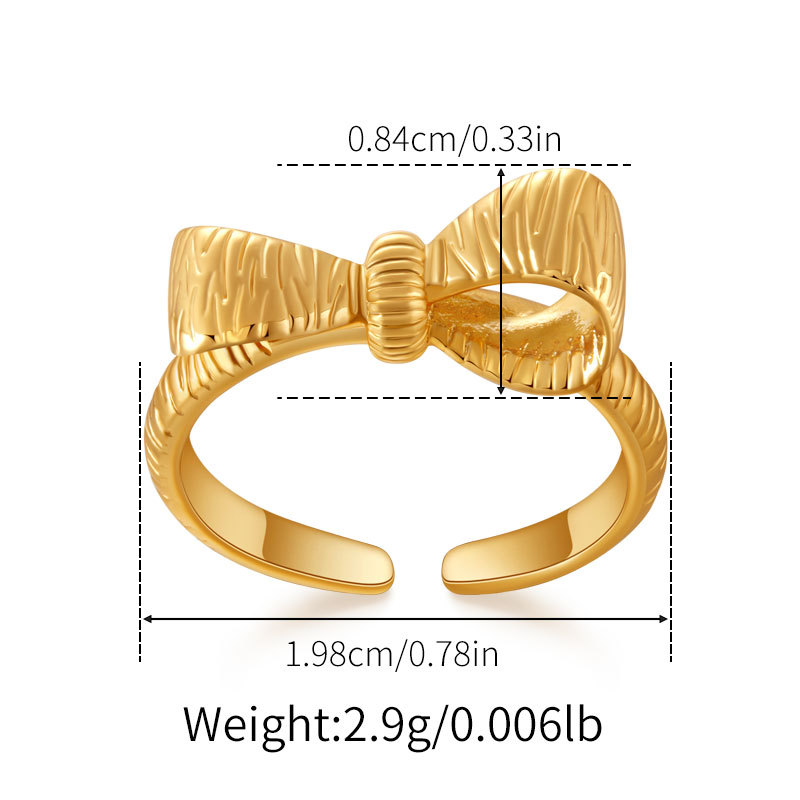
Zinc alloy supports low cost statement items. Natural stones need added inspection time. Cubic zirconia usually simplifies sourcing. Plating color also changes lead times. Some tones require extra baths or drying. Packaging materials can create hidden delays too. A rapid jewelry production supplier should explain each tradeoff early. Smart material planning prevents rushed substitutions. Buyers gain better launch accuracy and more stable margins.
Rapid Jewelry Production Supplier Comparison Table
| Factor | Basic Vendor | Advanced Vendor | Best Practice |
|---|---|---|---|
| Sample Speed | 10-14 days | 5-7 days | 3-5 days |
| Bulk Lead Time | 45+ days | 25-35 days | 15-25 days |
| QC Reports | Limited | Monthly | Per Order |
| MOQ Flexibility | High MOQ | Medium MOQ | Low MOQ |
| Response Time | 48 hrs | 24 hrs | Same Day |
How to Read Supplier Benchmarks Correctly
Numbers need context before decisions. A short lead time means little without stable quality. Buyers should compare sample accuracy too. Communication speed often predicts execution strength. MOQ flexibility matters for trend testing. QC reporting shows management discipline. Ask whether dates include packaging and booking. Some vendors quote factory finish only. Always compare equal terms. A rapid jewelry production supplier should provide realistic promises, not optimistic guesses. Reliable data helps sourcing teams defend choices internally. Strong benchmarking turns negotiations into measurable planning rather than opinion driven debate.
Operational Metrics Buyers Should Track
| Metric | Target Range | Business Value |
|---|---|---|
| On-Time Delivery | 95%+ | Retail launch protection |
| Defect Rate | <2% | Lower returns |
| Sample Approval Rate | 85%+ | Fewer revisions |
| Reorder Speed | 7-15 days | Trend capture |
| Reply Time | <12 hrs | Faster decisions |
Why Metrics Matter After Vendor Selection
Many teams stop measuring after onboarding. That mistake hides service decline. Monthly scorecards reveal issues early. Delivery trends can expose capacity stress. Rising defects may signal staff turnover. Slow replies often predict later delays. Shared metrics also improve accountability. Buyers should review results with suppliers regularly. Use facts, not emotion, during meetings. A rapid jewelry production supplier usually welcomes clear scorecards because targets stay visible. Strong measurement builds longer partnerships. It also helps buyers split orders wisely across approved factories when demand suddenly changes.
Practical Steps Before Placing Orders
Preparation speeds every project. Send clear tech packs first. Include dimensions, weights, logo positions, and tolerances. Provide Pantone references for coatings or cards.

Share packaging dielines and barcode rules. Confirm labeling laws for each market. Forecast likely reorder volumes honestly. Reserve raw materials for proven lines early. Approve samples quickly through one decision owner. Centralized feedback prevents confusion. A rapid jewelry production supplier performs better with complete inputs. Buyers who organize data well often receive better timelines. Strong preparation reduces preventable back and forth. Clean execution starts before production begins.
Common Risks and How to Reduce Them
Fast projects still carry risks. Late artwork changes can stop lines. Missing approvals create idle capacity. Overpromised dates may trigger air freight costs. Incomplete metal specs cause shade mismatch. Weak packaging may damage finished goods.Port congestion can disrupt final delivery. Buyers should build buffer days into launches.