
Why Work With A Fashion Jewelry Supplier?
-
Fashion jewelry supplier improves cost control, consistent quality, and production efficiency for scalable B2B growth global trade.
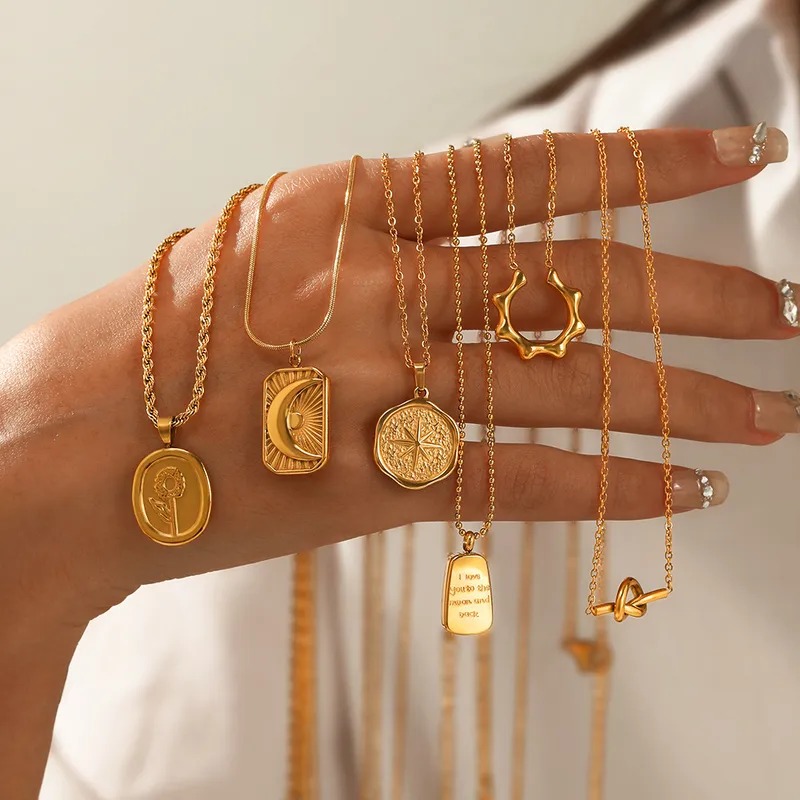
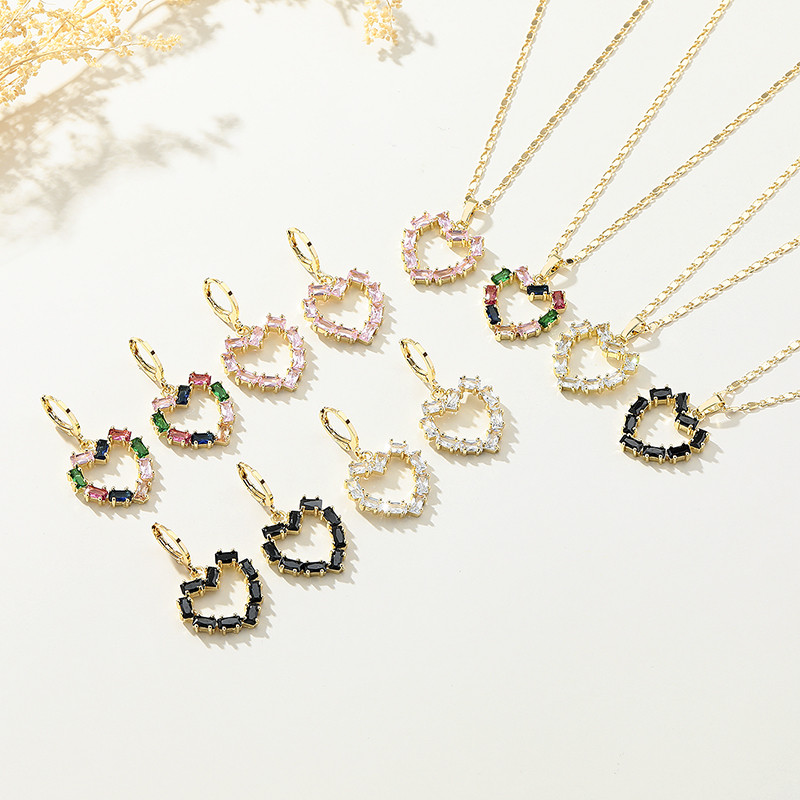
A fashion jewelry supplier plays a central role in modern B2B distribution systems. Businesses rely on these partners for consistent production and scalable output. Strong suppliers align with brand positioning and seasonal demand shifts. They also support faster time to market through organized workflows. Cost efficiency improves when production consolidates under one experienced partner. Reliable sourcing reduces disruptions across procurement and logistics stages. A qualified fashion jewelry supplier ensures stable quality across large volumes. Many buyers also benefit from integrated services like packaging and labeling. These capabilities reduce operational pressure on internal teams. Strategic collaboration enables brands to maintain competitiveness in crowded markets.
Supplier Capabilities That Support Product Development Efficiency
Product development requires precise coordination between design and manufacturing teams. Experienced suppliers provide CAD support and technical drawings early in development. Sampling processes help validate structure, plating thickness, and durability standards. Material selection becomes easier when suppliers offer multiple sourcing channels. Zinc alloy, brass, and stainless steel each serve different positioning strategies. Skilled teams refine prototypes quickly through iterative improvements. Efficient communication reduces misunderstandings during revisions. Strong development capabilities shorten product launch cycles significantly. Many suppliers also maintain design libraries for faster concept adaptation. This structured approach supports brands targeting rapid seasonal releases.
How a Fashion Jewelry Supplier Improves Cost Control and Margins
Cost control remains a major priority for wholesale buyers and distributors. Bulk production lowers unit cost through economies of scale. Labor efficiency increases when processes are standardized across product lines. Suppliers often negotiate better raw material pricing due to volume purchasing. These savings transfer directly to buyers in competitive pricing structures. Transparent quotations help businesses forecast margins accurately. Packaging consolidation further reduces handling and transportation expenses. A reliable fashion jewelry supplier minimizes waste through optimized production planning. Reduced defect rates also lower replacement and return costs. These factors collectively improve overall profitability for B2B operations.
Production Technologies Used by Modern Jewelry Manufacturers
Modern jewelry production combines traditional craftsmanship with advanced machinery. Die casting ensures consistent shapes for high-volume items. Electroplating adds protective layers and enhances visual appeal. Polishing processes improve surface smoothness and shine quality. Laser engraving enables precise branding and customization features. Stainless steel products require different tooling compared to alloy materials. Advanced coating techniques improve corrosion resistance and longevity. Many factories adopt automated inspection systems for consistency. These technologies support high repeatability across large batches. Technical expertise ensures each component meets structural and aesthetic requirements.
Material Selection and Functional Performance in Jewelry Manufacturing
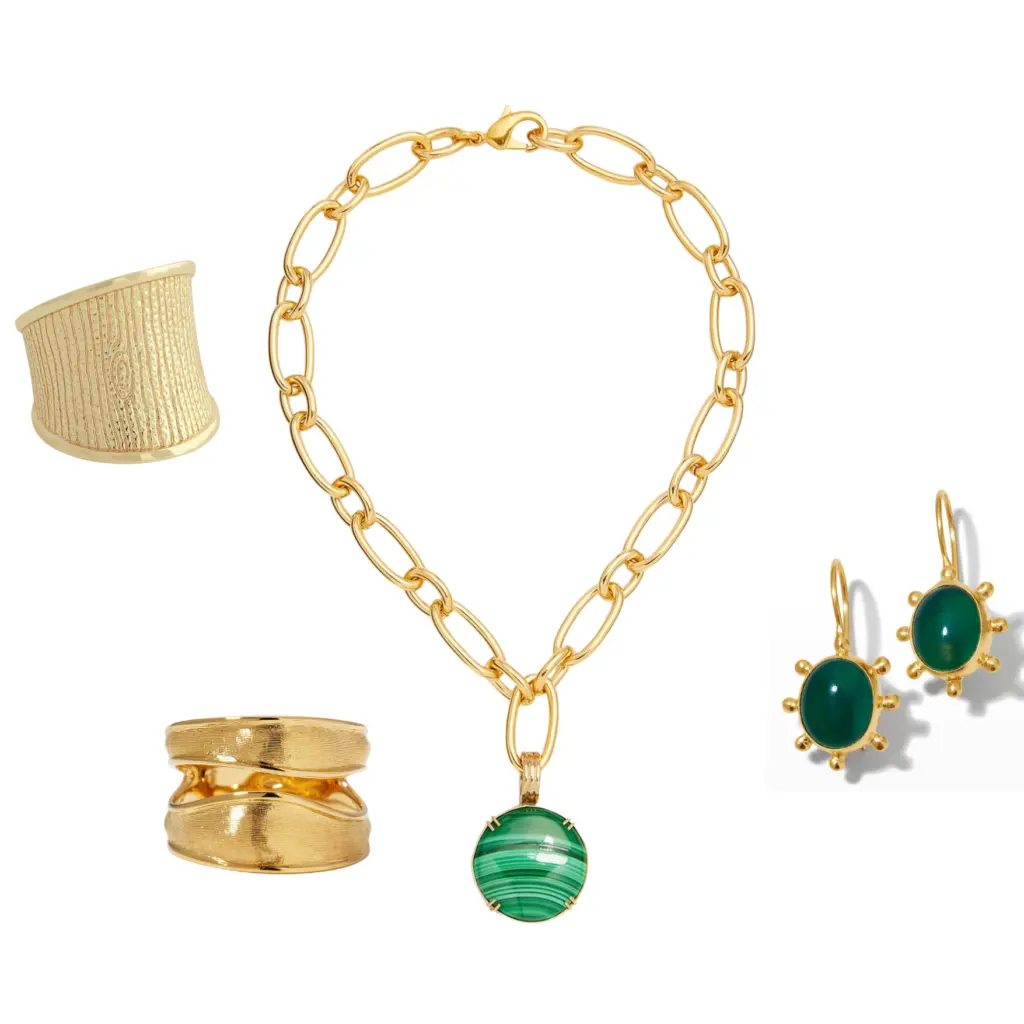
Material choice directly affects durability, cost, and market positioning. Stainless steel offers strong resistance to tarnish and corrosion. Brass provides flexibility for intricate designs and detailed textures. Zinc alloy remains popular for cost-sensitive collections. Each material requires different plating and finishing processes. A stainless steel jewelry set gold plated delivers both durability and premium appearance. Coating thickness influences resistance to fading and wear. Hypoallergenic properties also depend on material composition and surface treatment. Professional suppliers provide guidance based on target markets and usage conditions. This technical alignment ensures product performance meets buyer expectations.
Quality Standards and Compliance in Jewelry Supply Chains
Compliance requirements vary across different international markets. The European Union REACH regulation, Registration, Evaluation, Authorisation and Restriction of Chemicals, restricts hazardous substances such as lead, cadmium, and phthalates in consumer goods.
The United States CPSIA law, Consumer Product Safety Improvement Act, enforces strict limits on lead content and requires mandatory third-party testing for children’s and accessory products. Nickel release regulations under EN 1811 in Europe control how much nickel can be released through skin contact to prevent allergic reactions. Testing procedures measure coating thickness, metal composition, and surface durability using standardized laboratory methods. Third-party laboratories such as SGS or Intertek perform certification and chemical analysis. Suppliers implement internal quality control checkpoints during production stages. Random inspections verify consistency across batches before shipment. Documentation supports customs clearance and retail acceptance. Compliance management reduces legal risks and protects brand reputation effectively.
Supply Chain Flexibility and Lead Time Optimization
Flexible supply chains help businesses respond to fluctuating demand levels. Adjustable minimum order quantities support both small and large buyers. Lead times improve when suppliers maintain raw material inventory buffers. Production scheduling becomes more predictable through standardized workflows. Logistics coordination reduces delays in shipping and customs processes. Many suppliers provide consolidation services for mixed product shipments. This approach lowers freight costs and improves efficiency. A responsive fashion jewelry supplier adapts quickly to urgent reorder requests. Stable timelines enable better inventory planning for retailers. These operational advantages strengthen overall supply chain resilience.
Design Trend Alignment and Market Responsiveness
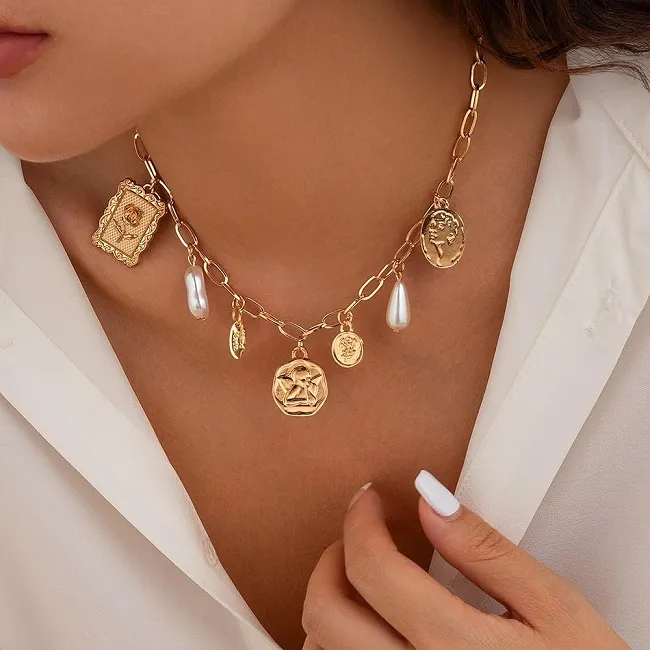
Fashion jewelry trends evolve rapidly across global markets. Suppliers monitor consumer preferences and emerging design movements. Seasonal collections often reflect runway influences and social media trends. Fast adaptation ensures products remain relevant in competitive segments. Custom design services allow brands to differentiate their offerings. An ocean series wide hollow wheat bracelet jewelry reflects evolving demand for textured and statement designs. Surface finishes and color variations also follow trend cycles. Suppliers that invest in design research provide stronger market alignment. This capability supports brands aiming to capture trend-driven sales opportunities.
Key Factors When Selecting the Right Supplier Partner
Choosing the right partner requires evaluating multiple performance indicators. Experience in target product categories ensures technical reliability. Communication clarity reduces delays and production errors. Sampling quality reflects manufacturing precision and consistency. Production capacity must align with projected order volumes. Certification and compliance records indicate operational credibility. Logistics support enhances overall supply chain efficiency. Pricing structure should remain transparent and scalable. Buyers often conduct factory audits before long-term cooperation. These evaluation criteria help businesses secure dependable partnerships.
Core Benefits Summary of Working with a Supplier
- Lower production costs through scale and efficiency
- Faster product development cycles and sampling
- Stable and consistent quality across large orders
- Flexible production capacity for different business sizes
- Access to new designs and technical innovations
Deeper Insight into Supplier Benefits and Business Impact
Each listed benefit contributes directly to long-term operational stability. Cost efficiency improves competitiveness in price-sensitive markets. Faster production supports rapid response to changing trends. Consistent quality strengthens brand reputation and reduces returns. Scalability allows businesses to expand without major infrastructure investment. Innovation access helps brands stay relevant in evolving markets. These advantages create a strong foundation for sustainable growth. Strategic supplier relationships often become a core competitive advantage.
Supplier Capability Comparison Table
| Capability | Small Workshop | Mid-size Supplier | Large Manufacturer |
|---|---|---|---|
| MOQ | Low | Medium | High |
| Lead Time | Flexible | Stable | Structured |
| Certification | Limited | Partial | Comprehensive |
| Customization | High | Moderate | Advanced Systems |
Interpreting Supplier Differences for Strategic Decisions
Different supplier types serve distinct business stages and needs. Small workshops offer flexibility but may lack scalability. Mid-size suppliers balance customization with stable production capacity. Large manufacturers provide consistency and advanced compliance systems. Businesses should match supplier type with growth strategy. Startups often prioritize flexibility and lower minimum orders. Established brands focus on scale and consistent quality output. Strategic alignment ensures long-term operational efficiency and cost control.
Production Process Comparison Table
| Process | Function | Key Benefit | Application |
|---|---|---|---|
| Die Casting | Shape Formation | High Consistency | Mass Production |
| Electroplating | Surface Coating | Enhanced Appearance | Gold and Silver Finishes |
| Polishing | Smooth Surface | Improved Shine | Final Processing |
| Laser Engraving | Brand Marking | Precision Detail | Customization |
Production Processes and Their Business Value
Each production step directly affects product quality and brand perception. Die casting ensures dimensional accuracy across large batches. Electroplating determines surface durability and visual appeal. Polishing enhances smoothness and overall finish quality. Laser engraving supports precise branding and personalization features. These processes allow buyers to assess supplier technical capabilities. Detailed knowledge of manufacturing improves supplier evaluation decisions. Technical awareness also strengthens product positioning in competitive markets.
Long-Term Partnership Value in Jewelry Manufacturing
Long-term collaboration improves operational stability and mutual trust. Suppliers gain deeper knowledge of brand requirements over time. Consistent communication reduces production errors and delays. Joint planning improves forecasting and inventory management. Stable partnerships often lead to better pricing structures. Continuous improvement enhances product quality and efficiency. Businesses benefit from reliable support during peak demand periods. Strong relationships create shared growth opportunities across markets.
FAQ
How does a fashion jewelry supplier ensure consistent quality?
Consistent quality depends on structured production and inspection systems. Suppliers establish checkpoints at each stage of manufacturing. Raw materials undergo verification before entering production lines. Skilled workers follow standardized procedures for assembly and finishing. Random sampling ensures batch consistency before shipment. Testing equipment measures coating thickness and durability levels. Documentation supports traceability across production cycles. Continuous training improves worker precision and efficiency. Reliable suppliers also maintain long-term relationships with trusted material vendors. These combined efforts create stable and repeatable quality outcomes.
What materials are commonly used by suppliers?
Suppliers typically use stainless steel, brass, and zinc alloy materials. Stainless steel offers strong durability and resistance to corrosion. Brass supports detailed designs due to its malleability. Zinc alloy remains popular for cost-effective mass production. Each material requires specific plating and finishing techniques. Surface treatments improve appearance and extend product lifespan. Hypoallergenic coatings reduce risks for sensitive skin users. Material selection depends on target market positioning and price range. Professional suppliers provide recommendations based on functional requirements. This ensures the final product meets both aesthetic and performance expectations.
How can buyers reduce risks when working with suppliers?
Risk reduction starts with careful supplier evaluation and verification. Buyers should check certifications and compliance documentation in detail. Sample testing confirms product quality before bulk production begins. Clear communication ensures precise alignment on specifications. Contracts must define quality standards and delivery timelines. Third-party inspections provide additional assurance before shipment. Diversifying suppliers reduces dependency on a single source. Regular performance reviews help identify potential issues early. Strong partnerships improve transparency and cooperation over time. These practices create a more secure and predictable sourcing process.