
How Can Private Label Jewelry Boost Your Brand’s Appeal?
-
private label jewelry helps brands enhance appeal through custom design, controlled production, and scalable OEM solutions for long term growth
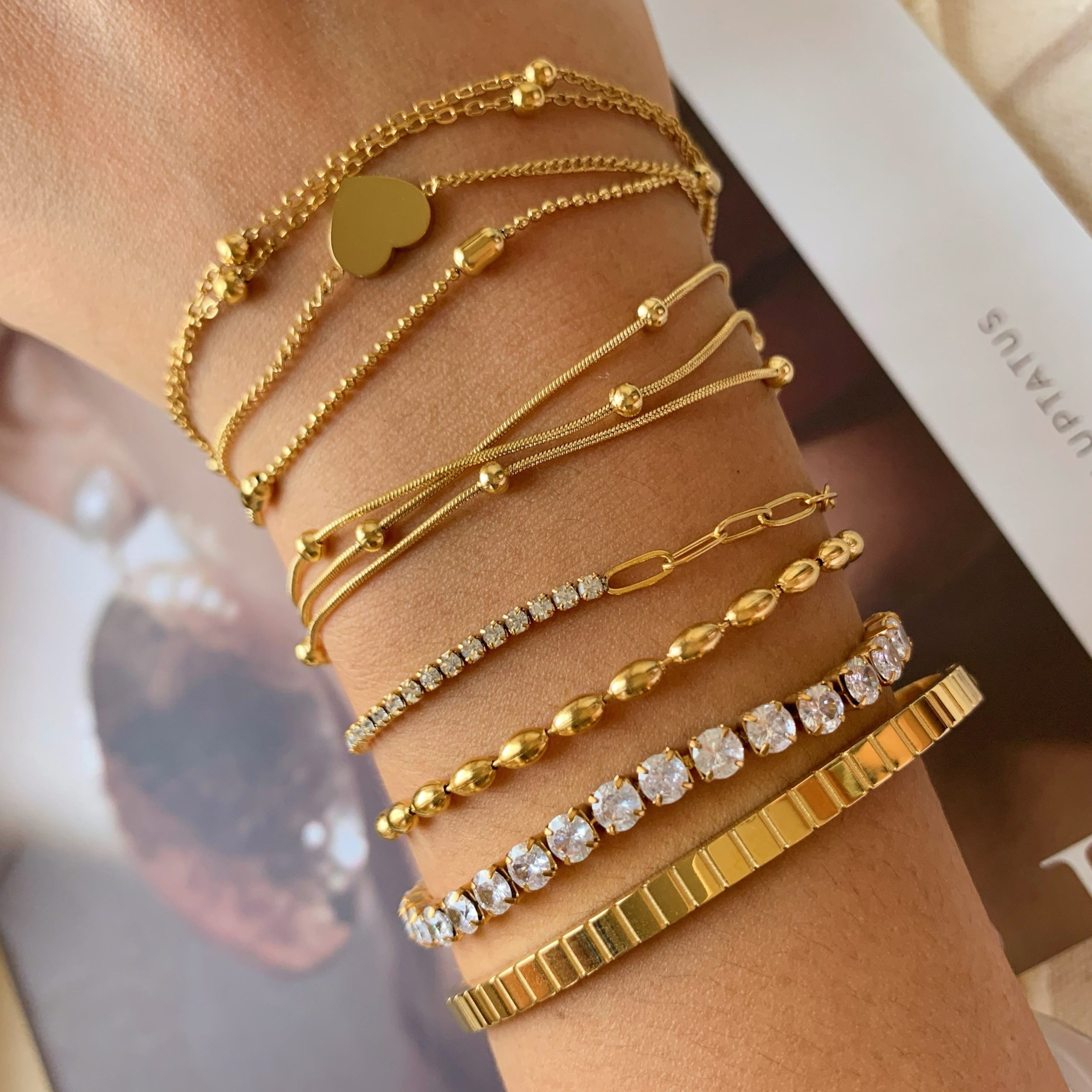

Private Label Jewelry as a Brand Growth Strategy
Private label jewelry allows brands to establish clear identity in competitive markets. Many brands rely on private label jewelrys to control design direction and product storytelling. This model gives ownership over aesthetics, materials, and brand voice. It fits brands that value recognition over commodity pricing. Control over presentation strengthens trust across digital and retail channels. Buyers respond better to consistency and perceived exclusivity. It also supports faster iteration cycles. New collections can react to seasonal demand shifts. Retailers gain flexibility when shaping assortments. This approach aligns with brands seeking long-term positioning. Private label jewelrys reduces dependency on generic catalog products. Strong differentiation supports premium pricing across global markets.
Why Private Label Jewelry Creates Strong Brand Differentiation
Private label jewelry separates a brand from mass offerings through visual identity. Unique designs communicate values without heavy advertising. Consistent collections reinforce memory and recognition. It enables signature silhouettes and finishes, including rope chains brass pendant pieces that strengthen category recognition. These details matter in crowded marketplaces. Customers notice repeatable design language. Brand loyalty grows when products feel intentional. It also reduces direct price comparison. Competitors cannot match identical SKUs. This protects margins and perceived value. Retail buyers prefer exclusivity for differentiation. Strong branding increases reorder probability. It supports storytelling through packaging and presentation. This emotional layer influences purchasing decisions. Differentiation remains critical for sustainable growth.
Private Label Jewelry vs White Label Jewelry Models
It differs from white label jewelry in ownership scope. White label jewelry offers speed and lower entry barriers. It focuses on originality and control. Brands using private label jewelry guide design from concept to finish. White label jewelry limits creative influence. Long-term brand equity favors private label jewelry. Investment levels differ between both models. It requires planning and supplier collaboration. White label jewelry fits testing phases or short cycles. Strategic brands often transition between models. Understanding differences avoids misaligned expectations. It supports scalable branding. White label jewelry emphasizes quick market access.
How Private Label Jewelry Supports Pricing Power and Margins
Private label jewelry enables brands to define pricing structures. Unique products reduce comparison shopping behavior. Consumers evaluate value based on branding and presentation. It increases perceived craftsmanship. Higher perceived value supports healthier margins. Brands gain flexibility in promotional strategies. Discounts become strategic rather than reactive. It also supports bundle strategies. Margin control improves forecasting accuracy. Wholesale buyers accept higher price points with exclusivity, including items like gold plated copper necklace. Private label jewelry aligns pricing with brand narrative. This consistency builds confidence among partners. Sustainable margins support reinvestment in design and marketing. Long-term profitability benefits from this control.

Material Selection and Design Control in Private Label Jewelry
Private label jewelry gives brands authority over materials. Metal choice impacts durability and perception. Stone selection influences visual impact. Private label jewelry supports experimentation with finishes. Design control allows seasonal adjustments. Brands can respond to fashion cycles faster. Material transparency builds trust with buyers. It supports ethical sourcing decisions. Suppliers follow brand-defined specifications. This control reduces inconsistency risks. Customers value clarity in material descriptions. Design ownership protects intellectual property. Private label jewelry ensures consistent quality standards. Control strengthens reliability across collections.
Production Workflow from Design to Market Launch
It follows structured production stages. Design development starts with concept alignment. Prototypes validate aesthetics and comfort. Sampling ensures material accuracy. It benefits from iterative feedback loops. Production planning defines timelines and quantities. Quality checks occur at multiple stages. Packaging aligns with brand guidelines. Logistics planning ensures delivery consistency. It requires supplier coordination. Clear communication prevents costly errors. Workflow transparency improves trust. Brands gain predictability with experience. Efficient workflows support scalable growth. Private label jewelry rewards preparation.

Working with a White Label Jewelry Supplier for Scale
A white label jewelry supplier can support expansion phases. Brands may combine models strategically. White label jewelry supplier partnerships increase volume capacity. It remains the core identity driver. Hybrid strategies balance speed and differentiation. White label jewelry supplier networks provide production stability. Brands maintain flexibility during peak seasons. Clear boundaries avoid brand dilution. Supplier evaluation remains critical. Communication ensures alignment with brand standards. Scaling responsibly protects reputation. Private label jewelry anchors long-term vision. White label jewelry supplier support enhances operational resilience.
Custom Logo Jewelry Production and Brand Recognition
Custom logo jewelry production reinforces brand presence. Logos transform items into identifiers. It benefits from subtle branding. Custom logo jewelry production supports consistency. Placement affects perception and wearability.
Engraving techniques impact durability. Thoughtful branding avoids overstatement. Customers appreciate refined details. Custom logo jewelry production strengthens recall. This strategy supports premium positioning. Retail partners value recognizable branding. Production accuracy protects brand image. Custom logo jewelry production requires experienced suppliers. Alignment between design and execution remains essential.
Quality Control Standards That Protect Brand Reputation
Private label jewelry depends on reliable quality control. Inspection protocols prevent defects. Material verification ensures compliance. It brands set tolerance thresholds. Sampling audits detect inconsistencies early. Documentation improves accountability. Quality failures damage trust quickly. Brands must prioritize inspection frequency. Supplier training reduces error rates. It benefits from clear standards. Consistent quality supports repeat business. Buyers expect reliability across batches. Quality assurance protects long-term equity. Strong standards reflect professionalism.
| Factor | Local EU/US Vendor | Yiwu Jewelry Manufacturer |
| Unit Price (small run) | High | Low |
| Lead Time | Short to Moderate | Very Short for samples |
| MOQ Flexibility | Limited | Tiered, negotiable |
| Quality Control Cost | Higher third-party fees | Affordable local QA |
Compliance and Ethical Sourcing in Jewelry Manufacturing
Ethical practices influence brand perception strongly. It brands face scrutiny. Compliance with regulations avoids disruptions. Material traceability matters to modern buyers. Ethical sourcing supports responsible branding. It enables policy enforcement. Suppliers must meet defined criteria. Transparency builds credibility. Certifications strengthen buyer confidence. Ethical positioning differentiates brands globally. Responsible practices attract conscious consumers. It supports long-term trust. Compliance reduces operational risks. Ethical alignment benefits partnerships.
Joychicco Jewelry Wholesale OEM Capabilities
Joychicco supports private label jewelry brands through OEM services. The company focuses on scalable production and customization. Joychicco offers material selection assistance. Design collaboration aligns with brand goals. Custom logo jewelry production remains a core service.

Quality control processes meet export standards. Joychicco serves global wholesale clients. Flexible order quantities support growing brands. Communication remains clear throughout production. Brands gain reliable timelines and consistency. Joychicco helps transform concepts into market-ready collections. Interested brands can initiate inquiries for tailored solutions.
Key Benefits of Private Label Jewelrys for Emerging Brands
- Stronger brand recognition
- Improved margin control
- Design ownership
- Reduced price competition
- Scalable product strategy
Key benefits of private label jewelry for emerging brands include control and differentiation. Ownership over design supports long-term branding. Reduced comparison improves perceived value. Margin stability enables reinvestment. Emerging brands gain credibility faster. Strategic positioning becomes clearer. These advantages compound over time. It supports sustainable growth. Brands move beyond commodity status. Clear benefits justify initial investment.
Operational Factors to Evaluate Before Partner Selection
- Production capacity
- Quality standards
- Communication efficiency
- Customization ability
- Compliance support
Operational factors to evaluate before partner selection determine success. Production capacity affects scalability. Quality standards protect brand image. Communication efficiency reduces delays. Customization ability supports differentiation. Compliance support prevents regulatory issues. Careful evaluation avoids future setbacks. Strong partners act as extensions of the brand. It requires trust. Operational alignment improves outcomes. Due diligence pays long-term dividends.
Cost Structure Overview
| Cost Element | Description |
|---|---|
| Design | Concept and prototyping |
| Materials | Metals and stones |
| Production | Manufacturing labor |
| Branding | Logo and packaging |
| Logistics | Shipping and handling |
Private label jewelry cost structure overview clarifies investment needs. Design costs shape uniqueness. Material choices influence pricing. Production costs scale with volume. Branding expenses affect perception. Logistics impacts delivery reliability. Understanding costs improves planning. Transparent budgeting supports pricing strategy. Brands avoid surprises with preparation. Cost awareness strengthens negotiations. It rewards informed decisions.
Market Positioning Tactics Using Private Label Jewelry
It supports strategic market positioning. Brands define target audiences precisely. Design language aligns with lifestyle themes. Consistent messaging strengthens recognition. It supports niche strategies. Limited collections create urgency. Positioning influences channel selection. Retailers prefer clear concepts. Digital platforms reward differentiation. Private label jewelry enhances storytelling. Visual consistency improves conversion rates. Positioning clarity drives loyalty. Brands gain authority through coherence.
Long Term Brand Equity Built Through Private Label Jewelry
It contributes to durable brand equity. Consistency builds trust over time. Customers associate quality with brand name. Repeat exposure reinforces memory. Private label jewelry supports evolving collections. Equity grows with each successful launch. Brands gain leverage with partners. Strong equity supports expansion. It creates intangible value. Reputation compounds gradually. Long-term focus separates leaders. Sustainable brands invest patiently. It anchors growth strategies.
FAQ
How does private label jewelry enhance brand value?
It enhances brand value through ownership and consistency. Brands control design narratives and visual language. This control builds recognition across channels. Customers associate products with brand identity. It reduces reliance on generic offerings. Perceived exclusivity increases emotional connection. Value grows as trust strengthens. Repeat customers recognize signature elements. Pricing power improves with differentiation. Brand value compounds through consistent execution. It aligns product and promise effectively.
What challenges should brands expect with private label jewelry?
It involves planning and coordination challenges. Design development requires time investment. Supplier communication must remain precise. Quality control demands ongoing oversight. Initial costs exceed white label models. Brands need forecasting accuracy. Delays can impact launches. Managing expectations remains important. However challenges decrease with experience. Strong partners reduce friction. It rewards preparation. Long-term benefits outweigh early complexity.
When should a brand choose private label jewelry over white label options?
It suits brands seeking differentiation. White label options fit early testing phases. Transition timing depends on growth goals. Brands needing control should consider private label jewelry. Customer feedback often signals readiness. Margin pressure also influences decisions. It supports premium positioning. Brand maturity justifies investment. Clear vision simplifies transition. Strategic timing maximizes impact. Private label jewelry strengthens competitive advantage.