
How Jewelry Manufacturing Helps Brands Adapt to Trends?
-
flexible jewelry manufacturing enables brands to test trends, run small batches, and scale quickly with lower inventory risk.
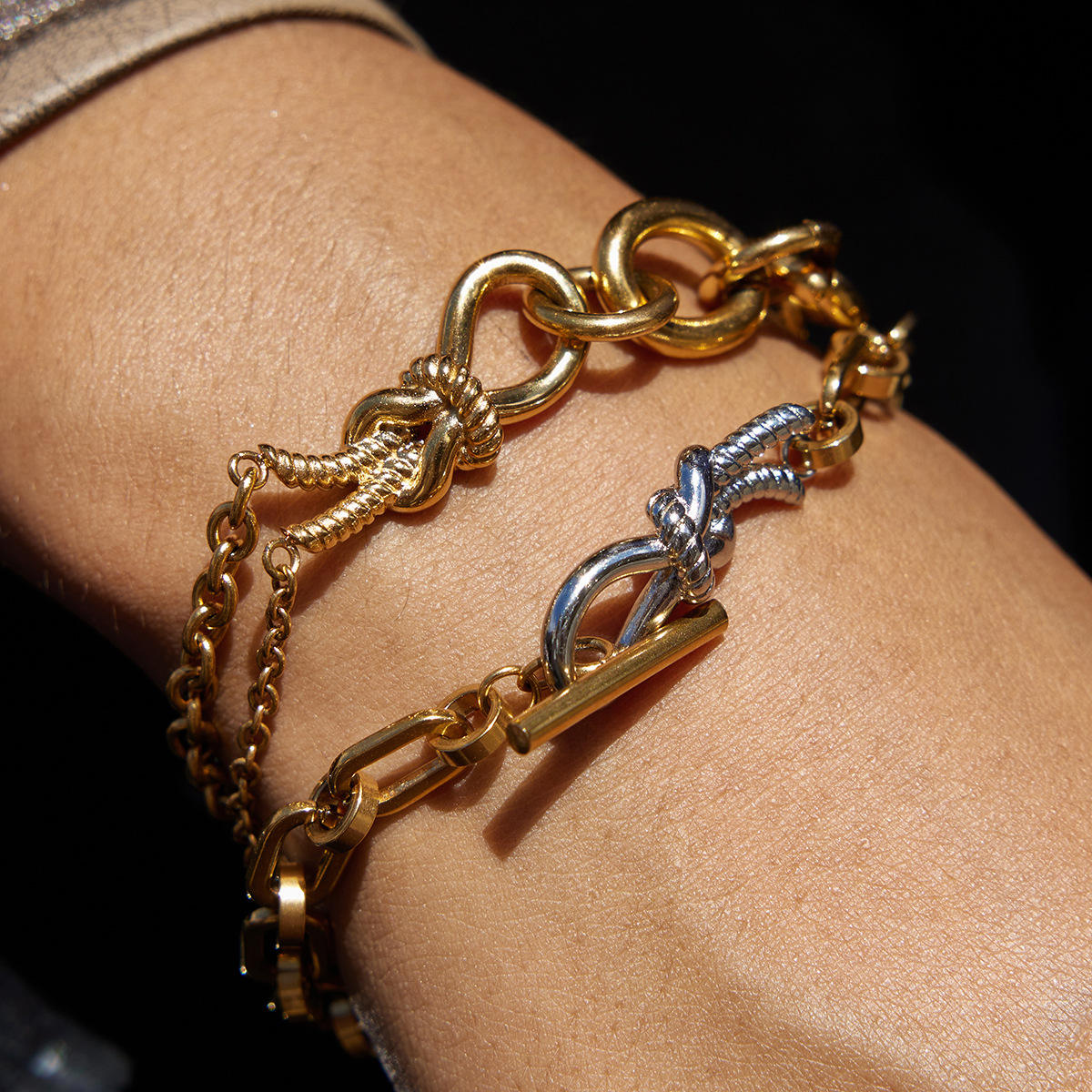
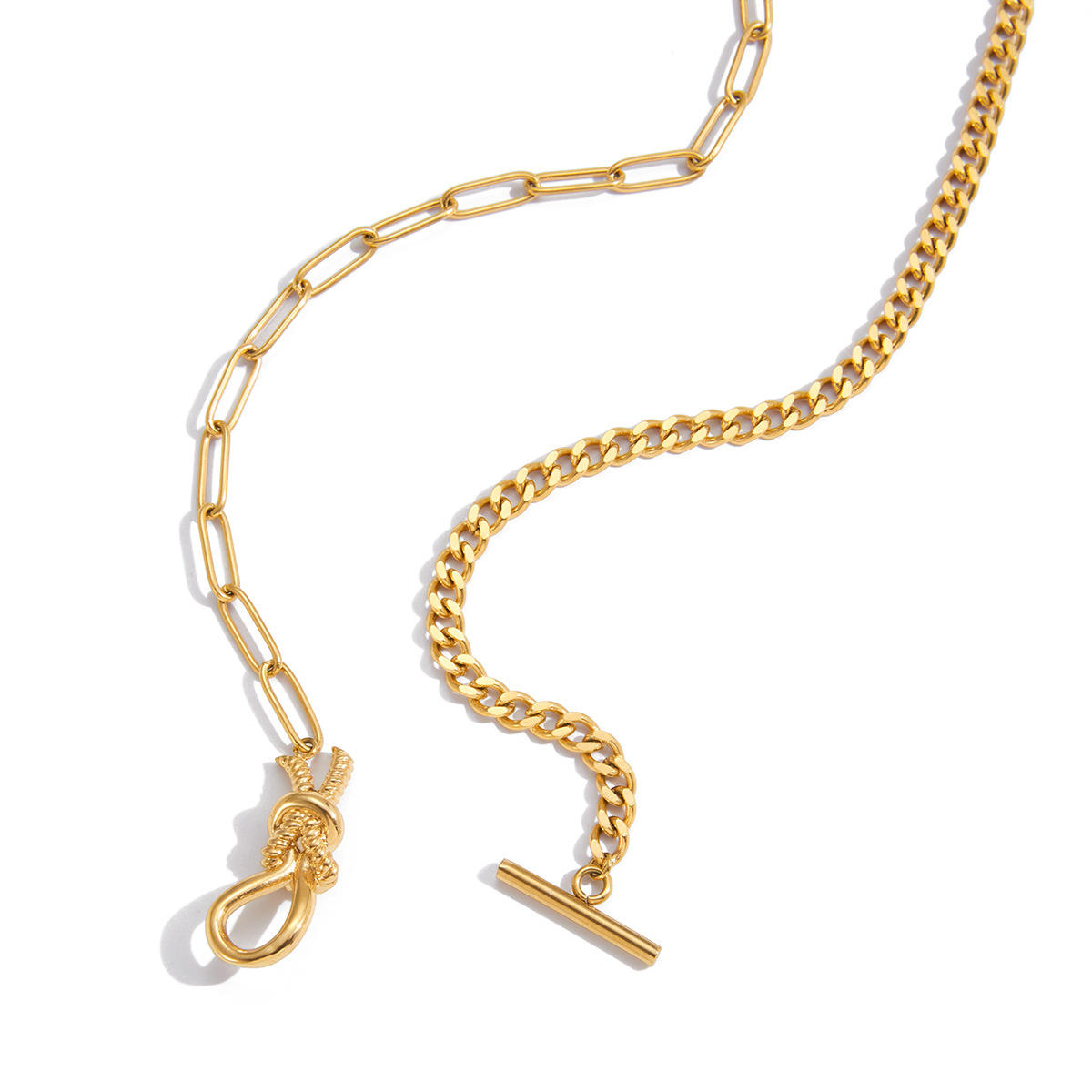
Flexible jewelry manufacturing enables brands to pivot quickly when trends shift. This capability reduces inventory risk and speeds time to market. Manufacturers with modular tooling, rapid prototyping, and small-batch capacity support agile product cycles. Brands can test micro-trends without large upfront cost. Close communication between design and production shortens feedback loops. Quality controls integrated into early runs prevent costly recalls. When trends peak, flexible production ramps output efficiently. When tastes change, SKU counts shrink without waste. This strategic advantage preserves margin and supports brand reputation. Many modern brands consider flexible jewelry manufacturing a core capability for competitive agility.
Core capabilities that drive agility
Flexible jewelry manufacturing depends on rapid prototyping and modular tooling systems. Suppliers deploy 3D printing for fast sample iterations. CNC and low-volume casting allow quick shifts in metal choice. Surface treatments such as plating and PVD adapt looks without new dies.
Small-batch finishing lines enable seasonal color experiments. In-line quality checks maintain consistency at scale. Data-driven forecasting supports flexible capacity allocation. Suppliers that invest in cross-trained teams reduce changeover time. These capabilities lower the threshold for experimentation. As a result, brands test designs more often and refine assortments based on real sales signals.
How supply chain integration shortens lead times
Integrated supply chains accelerate response when brands need new styles. Close relationships with material vendors secure rapid material swaps. On-site plating houses and polishing stations reduce transit delays. Consolidated vendor networks in sourcing hubs compress lead times dramatically. Real-time inventory visibility prevents stockouts during trend surges. Factory custom french vintage style ring set. Clear communications around MOQ and tooling speed influence planning. Brands that align forecasts with flexible vendors enjoy faster replenishment and lower safety stock levels. This operational alignment turns short trend windows into real commercial opportunities.
Cost structures and small-batch economics
Flexible operations change traditional cost math around MOQ and tooling amortization. Modular tools allow tooling to be reused across SKUs. Low minimum order quantities reduce financial exposure on trend tests. Variable-cost models, like pay-per-finish, transform fixed overhead into scalable expense. Suppliers offering staged production permit incremental investment. Brands can pilot a design locally, then scale if demand materializes. This staged approach preserves cash and reduces markdown risk. Transparent costing ensures profitability analysis remains accurate even for micro-runs. Over time, flexible partners deliver lower total cost of ownership for fast-moving assortments.
Materials, Processes, and Quality Considerations
Material choice matters when shifting styles rapidly. Metals such as brass, stainless steel, and sterling silver offer distinct trade-offs. Brass lowered unit cost for fashion-forward plated items. Sterling silver preserves perceived value for premium launches. Plating systems permit rapid color shifts with consistent finish. Stone setting requires stable fixtures and trained setters to preserve yield. Suppliers should report plating thickness, alloy certifications, and tensile test results. Inspections at proto, in-line, and pre-shipment stages reduce surprises. Brands must insist on traceable material certificates and batch testing. This technical rigor safeguards reputation during accelerated launches.
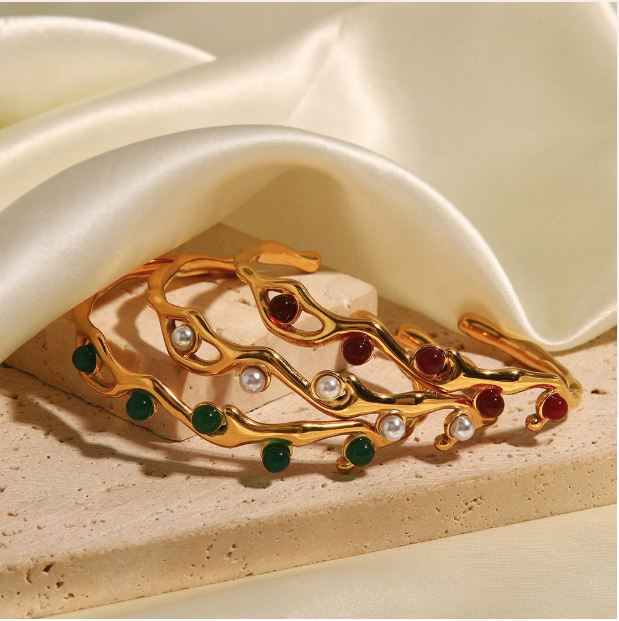
Key operational practices for flexible jewelry manufacturing
-
Rapid prototyping via 3D printing and wax patterns
-
Modular tooling and reusable dies for similar SKUs
-
Small-batch finishing and staged production plans
-
In-line QC and third-party inspection checkpoints
-
Integrated plating and surface treatment capabilities
Key operational practices above enable predictable flexibility. Rapid prototyping lowers design iteration time. Modular tooling cuts setup costs across related designs. Small-batch finishing supports trend sampling without heavy inventory. In-line quality control catches deviations early. Integrated plating shortens turnaround for new colorways. Each practice contributes to a shorter experimentation cycle. Brands that adopt these operational rules reduce time from concept to shelf significantly. These methods also minimize waste when styles fall out of favor.
Performance comparison across supplier models
| Supplier Model | Best Fit | Lead Time |
| Artisanal Workshop | Unique custom pieces | 2–6 weeks |
| Flexible Mid-Sized Factory | Small batches, trend tests | 1–3 weeks |
| Large Manufacturer | High volume stable SKUs | 4–12 weeks |

How to interpret this supplier table for sourcing decisions
Use supplier type as a decision filter when planning collections. Artisanal shops excel at bespoke, high-margin launches. Mid-sized flexible factories balance speed and quality for trend-driven runs. Large manufacturers deliver economies at scale for proven SKUs. Lead time differences greatly affect seasonal timing. For limited drops, mid-sized partners often provide the best trade-off. Confirm each supplier’s plating and finishing throughput before committing. Allocation of early test orders to flexible factories limits exposure while preserving brand standards. This matching process reduces risk and improves speed to market.
Technology and Data that Power Flexible Jewelry Manufacturing
Advanced digital tools enhance responsiveness and quality. Oem waterproof gold plated bead bracelets. PLM systems unify specs, images, and testing records. IoT-enabled lines provide real-time output and yield metrics. Analytics predict which SKUs to scale based on early sell-through.
Cloud-based portals let buyers approve colorways from any location. These capabilities reduce miscommunication and speed decision cycles. As a result, brands using tech-forward suppliers experience fewer surprises. The right digital stack also supports traceability, an increasingly important factor for compliance and sustainability claims.
How flexible jewelry manufacturing supports brand innovation
Flexible suppliers let brands prototype bold ideas without heavy investment. Limited drops create urgency and test demand for new silhouettes. Rapid production enables seasonal collaborations and influencer-driven pieces. Creative teams iterate with faster feedback from retail and marketplaces. This loop encourages design risk-taking while keeping downside low. Brands can trial alternative materials, such as recycled metals or novel plating. Early-market response shapes future assortments, reducing wasteful runs. Innovation becomes a measurable, low-risk activity rather than a costly gamble.
Joychicco Jewelry Wholesale: Flexible Manufacturing and Inquiry Process
Joychicco offers flexible jewelry manufacturing services tailored to brand needs. The company provides fast sampling, small-batch production, and customizable plating. In-house QC teams verify plating thickness and setting quality before shipment. Joychicco supports private-label orders and seasonal capsule collections. Clients begin by submitting a brief or sample request. The team replies with a tailored quotation and timeline. Brands requiring iterative testing can request staged production. For immediate engagement, buyers may contact Joychicco to arrange samples and MOQ terms. This direct inquiry path accelerates pilot runs and scale plans.
Sustainability, Compliance, and Responsible Sourcing
Flexible jewelry manufacturing must include ethical sourcing and regulatory compliance. Request certificates for recycled metals and responsible plating. Confirm nickel test reports and lead content per destination laws. Audits should include labor conditions and waste treatment practices. Suppliers that plan flexible runs with minimal waste reduce environmental impact. Shared forecasting and rolling orders avoid overproduction. Brands that insist on compliance avoid reputational risk. Long-term suppliers benefit from joint investment in cleaner technologies. Responsible practices become a competitive advantage as consumers demand transparency.
Final recommendations for brands adopting flexible manufacturing
Start small with pilot SKUs to validate supplier capabilities. Document quality metrics and acceptance criteria before scaling. Use modular designs to reuse tooling across capsule collections. Maintain a mix of artisanal and flexible factory partners. Invest in digital approvals and integrate inspection points into contracts. Negotiate staged payment terms that align with performance milestones. Track total landed cost and time to shelf for each pilot. Over time, build strategic relationships with vendors who can adapt capacity fast. This disciplined approach turns flexible jewelry manufacturing into a durable growth lever.
Frequently Asked Questions
How does flexible jewelry manufacturing reduce inventory risk?
Flexible jewelry manufacturing lowers inventory exposure by enabling small-batch production. Brands no longer need to commit to large runs before testing market demand. Instead, they can release limited quantities to gather sales data. This practice reduces the risk of unsold stock and markdowns. Suppliers that offer modular tooling and low MOQ help brands pilot new designs affordably. Rapid sampling and staged production create iterative cycles that refine assortments based on real feedback. As trend lifecycles shorten, this approach preserves capital and maintains fresh assortments in market channels. Over time, firms that adopt flexibility report higher sell-through and less discount pressure.
What quality controls should brands require from flexible manufacturers?
Require rigorous checks at proto, in-line, and pre-shipment stages. Specify plating thickness, alloy certificates, and clasp tensile strength in contracts. Request test reports for nickel release and other regulated substances. Use third-party inspectors for objective verification at scale. Ask suppliers to document inspection findings and corrective actions. Sampling should include photos and measurement reports for key tolerances. Hold initial small runs until quality metrics meet acceptance criteria. Clear return and rework policies protect buyers when deviations occur. By embedding QC steps, brands keep flexibility without compromising product standards or customer trust.
How can a brand scale a micro-trend into full production using flexible partners?
Begin with rapid prototyping to finalize aesthetics and functionality. Release a limited pre-launch batch to targeted channels, and monitor sell-through closely. Collect customer feedback regarding fit, finish, and perceived value. If demand sustains, schedule staged production runs that increase volume gradually. Maintain communication about material lead times and polish capacity to avoid bottlenecks. Negotiate favorable pricing tiers tied to cumulative volume rather than single orders. Finally, secure logistics and packaging partners early to prevent last-mile delays. This phased path transforms test results into scalable supply while preserving margins and brand reputation.