
How To Choose High-Quality Tarnish Resistant Jewelry?
-
Tarnish resistant jewelry depends on plating thickness, metal choice, coating strength, and strict quality testing standards.
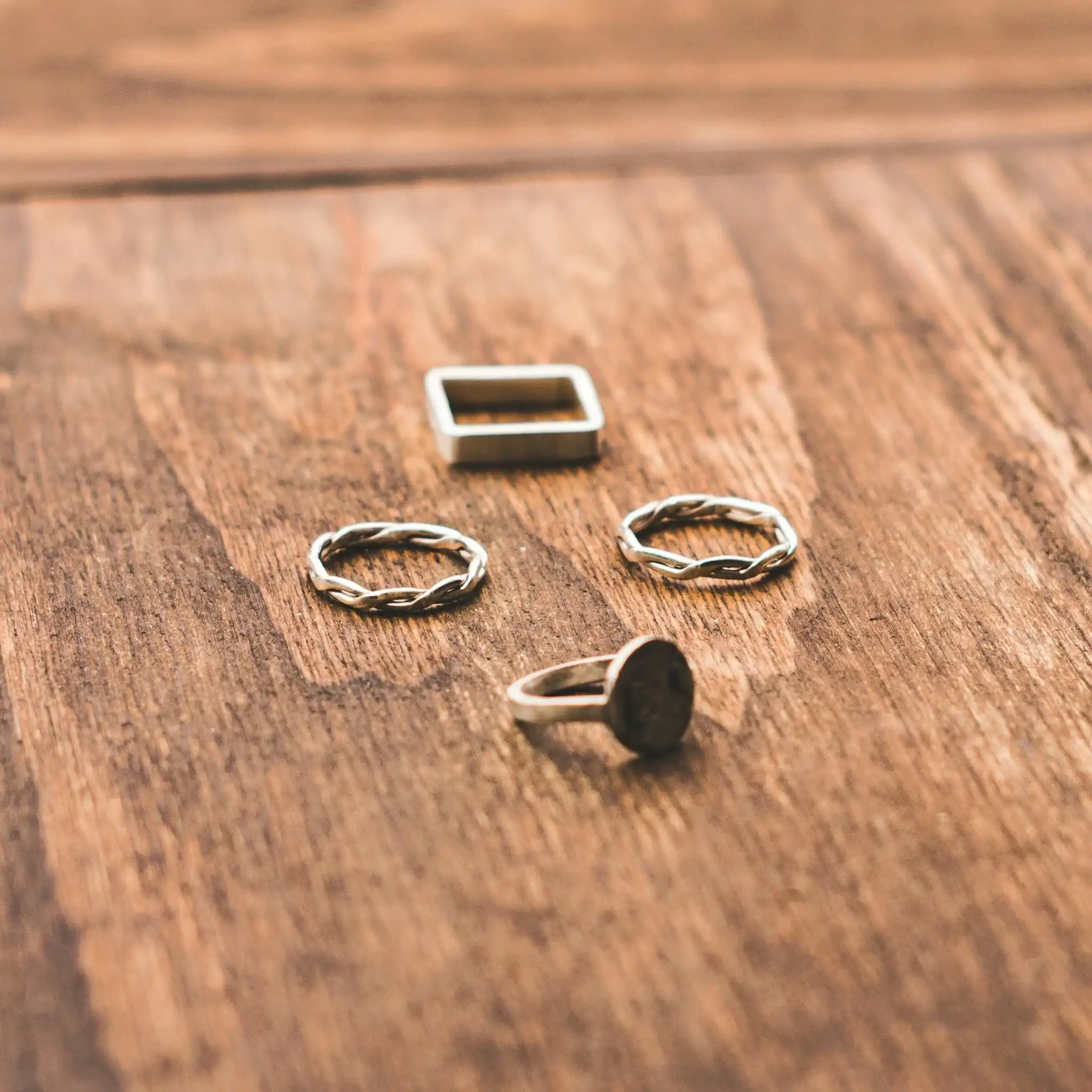

Tarnish resistant jewelry plays a critical role in modern B2B sourcing decisions. Buyers expect consistent surface stability across large orders. Oxidation causes discoloration, reducing perceived value and increasing return rates. Environmental exposure accelerates chemical reactions on metal surfaces. Moisture, sweat, and air pollutants continuously affect jewelry performance. Durable finishes maintain visual appeal over extended periods. Retailers benefit from fewer complaints and stronger customer retention. Stable product quality also supports repeat purchasing behavior. Manufacturers must integrate resistance strategies early in development. Long-term performance depends on coordinated material and coating decisions.
Key Materials Used in Jewelry Production
Material selection determines baseline resistance before any coating is applied. Stainless steel, especially 316L grade, provides excellent corrosion resistance. Compared to 304, it contains molybdenum for improved durability. Sterling silver requires anti-oxidation treatment due to copper content. Brass and copper react quickly without protective layers. Zinc alloy offers cost efficiency but lower natural resistance. Alloy composition influences oxidation speed and color stability. Choosing the right base metal reduces reliance on heavy coatings. Reliable tarnish resistant jewelry often starts with high-quality substrates. B2B buyers should verify material specifications before finalizing procurement.
Plating Technologies That Improve Surface Durability
Surface plating enhances both aesthetics and long-term resistance performance. PVD coating creates a dense and uniform protective layer. Electroplating remains popular due to lower production costs. Gold plating thickness directly impacts wear resistance over time. Rhodium plating improves brightness and reduces surface scratches. E-coating adds a transparent barrier against environmental exposure. Each method serves different price segments and durability needs. High-end products often combine multiple coating techniques.
Proper plating selection ensures consistent tarnish resistant jewelry quality. Coating choice should align with target market expectations.
How To Evaluate Jewelry Quality Standards
Quality evaluation relies on standardized testing and strict verification systems. Salt spray testing simulates corrosion and measures resistance duration under ASTM B117, a globally recognized standard. Abrasion testing evaluates surface durability against daily wear and friction. Chemical exposure tests replicate real conditions such as sweat, perfume, and cleaning agents. Adhesion testing measures coating bonding strength on metal surfaces. Products must comply with REACH regulation, which restricts hazardous substances like lead, cadmium, and nickel release in the EU, and RoHS Directive, which limits toxic materials such as mercury, lead, and hexavalent chromium commonly required in export compliance for jewelry and fashion accessories. Many buyers also require ISO 9001 for quality management systems and ISO 14001 for environmental management control in manufacturing. Reliable suppliers provide full batch testing reports. Consistent verification ensures stable tarnish resistant jewelry performance across different markets.

Surface Treatments and Protective Coatings Explained
Surface treatments provide additional defense beyond base plating layers. Anti-oxidation coatings slow chemical reactions on exposed surfaces. Nano-coating technology creates ultra-thin protective barriers. Lacquer coatings offer cost-effective solutions but lower durability. E-coating improves uniformity and enhances transparency. Coating adhesion determines long-term effectiveness and stability. Weak adhesion leads to peeling and rapid degradation. Thickness consistency also influences overall performance. Advanced treatment combinations improve product competitiveness. High-quality tarnish resistant jewelry relies on optimized coating systems.
Manufacturing Process Control for Consistent Output
Production control ensures consistent quality across large-scale manufacturing. Polishing removes surface defects before coating application. Cleaning eliminates oils and contaminants affecting adhesion. Controlled environments reduce exposure to dust and oxidation. Coating thickness must remain uniform across all product surfaces. Inspection checkpoints verify quality during each production stage. Skilled operators monitor plating parameters carefully. Automated systems improve repeatability in mass production. Stable processes reduce defects and customer complaints. Reliable tarnish resistant jewelry requires strict manufacturing discipline.
Supplier Selection Criteria for Reliable Production
Supplier capability directly impacts product consistency and delivery reliability. Factories should have advanced plating and testing equipment. Experience in export markets ensures compliance with global regulations. Sampling procedures reveal actual production quality levels. Communication efficiency affects customization and order accuracy. Reliable suppliers provide flexible solutions for different markets. Strong quality control systems minimize production risks. Factory audits help verify technical capabilities and standards. Long-term partnerships improve supply chain stability.

Product evaluation should also include real sample testing, such as reviewing details from trendy stacked bracelets bling zircon jewelry set to assess plating uniformity and stone setting stability under production conditions. Selecting experienced partners ensures consistent tarnish resistant jewelry output.
Cost vs Quality Balance in Jewelry Sourcing
Cost structure depends on materials, coatings, and labor complexity. High-performance coatings increase durability but raise production costs. Lower-cost options may compromise long-term performance. MOQ requirements influence pricing strategies in bulk orders. Buyers must evaluate total cost rather than unit price alone. Durable products reduce replacement frequency and return rates. Balanced sourcing improves profitability and brand positioning. Market segmentation determines acceptable quality levels. Strategic investment in durability increases long-term returns. Reliable tarnish resistant jewelry supports sustainable business growth.
Common Mistakes When Sourcing Jewelry Products
Many buyers overlook technical specifications during supplier evaluation. Ignoring plating thickness leads to premature wear issues. Lack of environmental testing increases product failure risks. Price-focused decisions often sacrifice durability and consistency. Inadequate sample verification results in unstable bulk quality. Poor communication creates misunderstandings in product requirements. Some buyers underestimate climate impact on performance. Missing certification checks may delay shipments. Avoiding these errors improves sourcing efficiency. Strong processes ensure stable tarnish resistant jewelry quality.
How To Choose High-Quality Jewelry for Your Market
Market demand should guide product specification and design decisions. Climate conditions influence material and coating selection strategies. Humid regions require stronger corrosion resistance solutions. Product design also affects wear patterns and durability levels. For example, Aretas bold chunky women’s bangle requires thicker coatings due to exposure. Larger surface areas face higher environmental stress. Another case involves trendy stacked bracelets bling zircon jewelry set, where friction increases wear risk. Customization aligns products with brand identity and customer expectations. Strategic selection improves satisfaction and repeat purchases.
Technical Comparison of Resistance Methods
| Method | Durability | Cost Level | Process Type | Resistance Level |
|---|---|---|---|---|
| PVD Coating | High | High | Vacuum Process | Excellent |
| Electroplating | Medium | Medium | Liquid Bath | Moderate |
| E-coating | Medium-High | Medium | Electrophoretic | Good |
| Lacquer Coating | Low-Medium | Low | Spray | Basic |
Material Performance Comparison Table
| Material | Corrosion Resistance | Cost | Application | Maintenance Level |
|---|---|---|---|---|
| 316L Stainless Steel | High | Medium | Premium Jewelry | Low |
| Sterling Silver | Medium | Medium | Fine Jewelry | Medium |
| Brass | Low | Low | Fashion Jewelry | High |
| Zinc Alloy | Low | Low | Cost Products | High |
Key Factors Summary for B2B Buyers
- Material composition determines base resistance
- Coating thickness directly affects durability
- Testing standards validate product performance
- Supplier capability ensures consistency
- Surface treatments enhance long-term stability
These elements collectively define product reliability in bulk orders. Ignoring one factor may reduce overall effectiveness. Balanced evaluation leads to better sourcing decisions. Buyers should integrate these criteria into procurement strategies. Consistent quality improves brand reputation and repeat sales. Strong technical knowledge supports better negotiation outcomes.
Final Considerations for Long-Term Supply Stability
Sustainable supply depends on consistent quality and reliable processes. Long-term partnerships improve communication and reduce operational risks. Continuous quality monitoring helps maintain stable output levels. Market trends influence material and design adjustments. Product lifecycle planning supports inventory and cost control. Reliable tarnish resistant jewelry ensures customer satisfaction and retention. Strategic sourcing builds competitive advantage in global markets. Stable performance strengthens trust across distribution channels. Consistency remains essential for long-term business success.
FAQ
What Is The Best Material For Tarnish Resistant Jewelry?
The best material depends on durability requirements and target market positioning. 316L stainless steel offers excellent corrosion resistance and low maintenance. It performs well in humid environments and daily wear conditions. Sterling silver can also perform well with anti-tarnish coatings applied properly. Brass and zinc alloys require additional surface protection for acceptable performance. Material selection should consider both cost and lifespan expectations. Buyers should always request detailed material specifications from suppliers.

Testing reports confirm actual performance under controlled conditions. Choosing the right base material reduces long-term risks and ensures consistent product quality.
How Long Does Tarnish Resistant Jewelry Typically Last?
Product lifespan depends on coating quality, base material, and usage conditions. High-quality PVD coatings can last several years without visible tarnish. Electroplated products may show wear within months under frequent use. Environmental exposure plays a significant role in durability. Humidity, sweat, and chemicals accelerate surface degradation. Proper storage and handling extend product lifespan significantly. Thicker coatings provide better long-term protection against wear. Buyers should match expected lifespan with target market needs. Testing data offers reliable estimates for durability performance. Consistent production quality ensures predictable results across large orders.
What Testing Methods Verify Tarnish Resistance Quality?
Several standardized methods ensure reliable performance verification. Salt spray testing simulates corrosion and measures resistance duration under ASTM B117. Abrasion testing evaluates wear resistance from daily friction. Chemical exposure tests replicate sweat and cosmetic contact. Adhesion testing assesses coating bonding strength on metal surfaces. Products must comply with REACH regulation, which restricts hazardous substances like lead, cadmium, and nickel in EU markets, and RoHS Directive, which limits toxic elements for export compliance in consumer goods. ISO 9001 ensures consistent quality management, while ISO 14001 supports environmental control in production. Reliable suppliers provide full documentation for each batch.