
What Are The Benefits Of Stainless Steel Jewelry ODM?
-
Stainless steel jewelry ODM improves cost efficiency, stable quality, fast customization, and scalable jewelry production for global brands.


Stainless steel jewelry ODM plays a key role in modern B2B jewelry production systems. It helps brands reduce development risks while improving design consistency. Many manufacturers prefer this model due to stable material behavior and flexible production support. This approach also allows faster product deployment across different markets. Jewelry companies benefit from reduced design iteration cycles and improved engineering coordination. Stainless steel performs well under long-term wear conditions and maintains structural strength. ODM cooperation enables brands to scale collections without heavy upfront investment. Global buyers also use this system to streamline procurement strategies. This manufacturing model supports both emerging labels and established jewelry enterprises effectively.
Material stability advantages in stainless steel jewelry ODM
Stainless steel offers strong corrosion resistance and long-term durability in jewelry production environments. It maintains surface integrity even under humidity and daily wear exposure. Hardness levels remain stable compared with zinc alloy materials. Color retention improves when advanced finishing technologies are applied.Stainless steel jewelry ODM ensures consistent material selection across batches. This reduces product variation in large-scale manufacturing runs.
Mechanical strength supports detailed designs without structural deformation. Chemical resistance also protects jewelry from oxidation damage. These properties make stainless steel suitable for high-frequency retail environments. Brands benefit from fewer return rates and improved customer satisfaction levels.
Cost control advantages in stainless steel jewelry ODM
Wholesale jewelry production benefits significantly from optimized manufacturing economics. Initial tooling investment remains lower due to reusable mold systems. Large-scale material procurement further reduces unit production costs. Stable pricing frameworks support long-term purchasing strategies. Planning inventory becomes more predictable through consistent production cycles. Standardized engineering processes improve overall operational efficiency. Many brands align sourcing strategies with seasonal product launches. This approach helps reduce financial pressure during expansion stages. Supply consistency lowers operational uncertainty when production output remains stable. Overall profit margins improve through efficient resource allocation and cost optimization.
Surface finishing options in stainless steel jewelry ODM
Jewelry manufacturing systems support a wide range of finishing techniques for commercial product lines. These processes enhance both appearance quality and durability performance. Common surface treatments include polishing, brushing, and advanced coating applications. Each technique creates different visual textures and reflective characteristics. Premium brands often layer multiple finishing methods to achieve luxury aesthetics.
List of common finishing methods:
- PVD vacuum coating for long-lasting color stability
- Mirror polishing for high-shine luxury appearance
- Brushed finishing for matte modern texture
- Laser engraving for precise branding detail
Each finishing process requires strict quality control during production. Surface treatment consistency directly influences retail value perception. Manufacturers adjust finishing parameters based on brand positioning requirements.
Production quality standards in stainless steel jewelry ODM
Quality control is a core element in stainless steel jewelry ODM manufacturing systems. Factories follow ISO 9001:2015 quality management system requirements to ensure process consistency and documentation control. Material testing is carried out according to ASTM A967 standards to verify passivation and corrosion resistance stability before production begins. Salt spray testing follows ASTM B117 standards to evaluate corrosion performance under accelerated environmental conditions. Welding inspections are aligned with ISO 5817 criteria to ensure acceptable weld quality levels. Polishing and surface checks are conducted under ISO 10110 surface quality inspection guidelines adapted for precision finishing. Dimensional accuracy checks follow ISO 2768 general tolerance standards to reduce assembly deviation in final products. Engineering teams monitor production stages closely. Consistent inspection routines reduce defect rates significantly. Quality assurance systems support international compliance requirements. These standards strengthen brand trust in competitive markets.
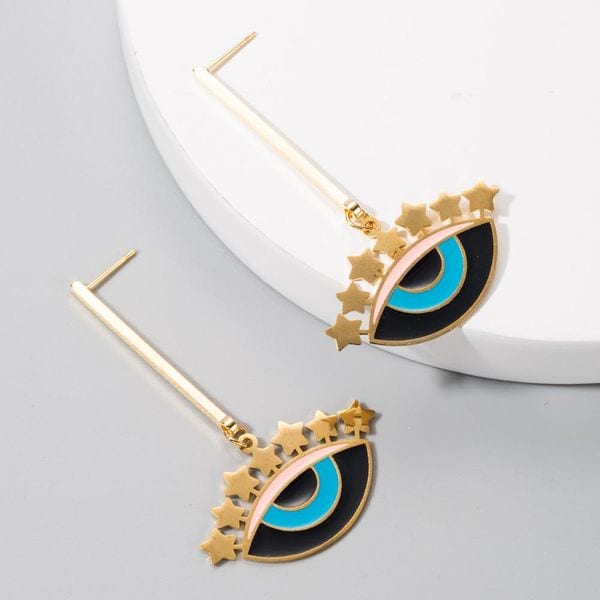
Stainless steel jewelry ODM helps brand customization
Stainless steel jewelry ODM supports strong customization capabilities for jewelry brands. Private label services allow companies to build unique product identities. Logo engraving enhances brand recognition across product lines. Packaging customization improves retail presentation quality. Collection differentiation becomes easier with flexible design systems. Some brands integrate niche product lines such as customized personalized shell charms into their collections. This increases product diversity and market segmentation opportunities. ODM factories also assist in adapting designs for different cultural preferences. Custom development improves competitiveness in global jewelry markets.
Manufacturing flexibility for global B2B clients
Stainless steel jewelry ODM provides scalable production flexibility for international buyers. Small batch production supports emerging brand testing phases. Large-scale manufacturing meets high-volume retail demands. Production scheduling adapts to seasonal market fluctuations. Factory systems coordinate multiple product categories efficiently. This includes complex accessories and fashion-forward collections. For example, factory supplier new brand 18k gold plated bracelets often use similar ODM workflows. Logistics coordination ensures timely global delivery. Flexible systems help brands enter new markets with reduced operational risk. This adaptability strengthens long-term supplier partnerships.
Comparison between ODM and OEM jewelry production
Design responsibility and production structure differ significantly between ODM and OEM models. Buyer-provided designs drive OEM workflows, while ODM systems rely on ready-made design support. Existing engineering frameworks in ODM reduce development time and speed up production cycles. Higher design control is available in OEM, although it requires greater technical input from buyers.
| Factor | ODM Model | OEM Model |
|---|---|---|
| Design Input | Factory provides design | Buyer provides design |
| Development Speed | Faster production cycle | Slower due to customization |
| Cost Structure | Lower initial investment | Higher tooling cost |
ODM systems reduce barriers for new brands entering jewelry markets. OEM models suit highly specialized design requirements. Both models serve different business strategies effectively.
Supply chain stability in stainless steel jewelry manufacturing
Supply chain stability is essential in stainless steel jewelry ODM operations. Raw material availability remains consistent due to global stainless steel production networks. Factories manage production scheduling to avoid delays. Long-term supplier partnerships improve operational reliability. Export systems ensure smooth international shipping coordination. Inventory management reduces risk of supply shortages. Quality control checkpoints stabilize production flow. Logistics integration supports multi-region distribution efficiency. These systems help brands maintain consistent retail availability. Stable supply chains strengthen long-term business growth.
Sustainability advantages of stainless steel jewelry production
Stainless steel jewelry ODM supports environmentally responsible manufacturing practices. Stainless steel is highly recyclable without quality loss. Production waste remains lower compared with plated alloy systems. Long product lifespan reduces replacement frequency. Energy-efficient polishing techniques improve sustainability metrics. Manufacturers reduce harmful chemical usage during finishing processes. Wastewater control systems support environmental compliance. Sustainable sourcing improves brand reputation in global markets. These factors align with modern consumer expectations. Responsible production enhances long-term industry stability.
Choosing a reliable stainless steel jewelry manufacturing partner
Selecting the right stainless steel jewelry ODM partner requires detailed evaluation. Buyers should assess factory engineering capability and production scale. Communication efficiency impacts project development speed. Sampling quality reflects overall manufacturing standards. Technical documentation supports design accuracy during production. Inspection systems ensure consistent output quality. Supplier transparency improves long-term cooperation trust. Financial stability also affects supply reliability. Brands benefit from conducting factory audits before cooperation. Strong partnerships support sustainable business expansion.
Frequently Asked Questions
Why do jewelry brands choose stainless steel materials?
How does ODM reduce jewelry development costs?
Wholesale jewelry production benefits significantly from optimized manufacturing economics. Initial tooling investment remains lower due to reusable mold systems. Large-scale material procurement further reduces unit production costs. Stable pricing frameworks support long-term purchasing strategies. Planning inventory becomes more predictable through consistent production cycles.

Standardized engineering processes improve overall operational efficiency. Many brands align sourcing strategies with seasonal product launches. This approach helps reduce financial pressure during expansion stages. Supply consistency lowers operational uncertainty when production output remains stable. Overall profit margins improve through efficient resource allocation and cost optimization.
What should buyers check before choosing an ODM factory?
Buyers should evaluate technical capability, production scale, and quality systems before selection. Factory experience influences product consistency and design accuracy. Engineering support determines how well complex designs can be executed. Communication responsiveness affects project timelines significantly. Sampling results provide insight into actual manufacturing quality. Buyers should also review inspection standards and testing procedures. Production transparency helps reduce operational risks. Supply chain stability ensures consistent delivery schedules. Financial reliability supports long-term cooperation safety. Careful evaluation leads to more stable and efficient partnerships.