
What Are the Key Jewelry Industry Trends 2026 for Retailers?
-
Stay ahead with the jewelry industry trends 2026, exploring recycled gold, lab-grown diamonds, and strategic inventory tips for modern jewelry retailers.
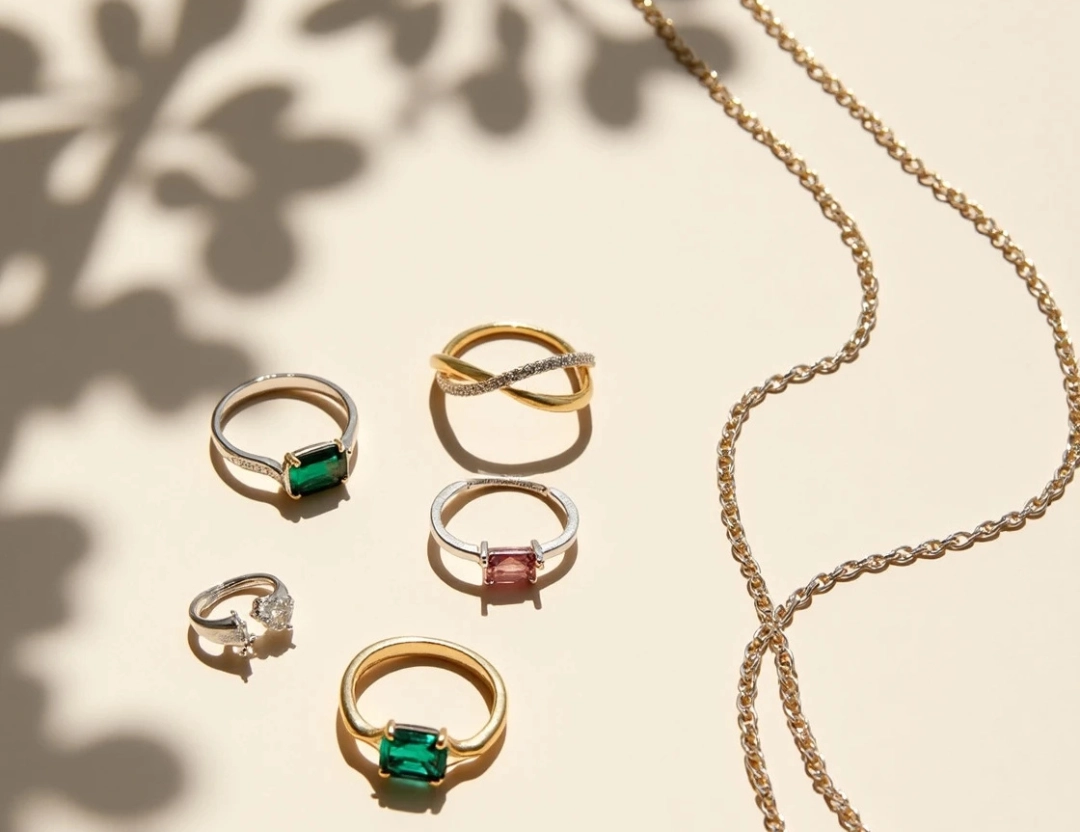
Navigating the jewelry industry trends 2026 requires a strategic shift toward sustainable sourcing and hyper-personalized consumer experiences. Global market volatility in 2025 has reshaped how retailers approach inventory, moving away from mass-produced stock toward curated, high-value collections. Modern buyers are increasingly prioritizing transparency, demanding to know the exact origin of gemstones and the ethical standards of manufacturing. Success in the coming year depends on your ability to integrate digital storytelling with physical craftsmanship to build lasting brand loyalty. Retailers must adapt to a landscape where emotional resonance is just as important as the purity of the precious metals. Understanding these shifts is essential for maintaining a competitive edge in an evolving global marketplace.
Analyzing the Global Market Trajectory for the New Year
The jewelry sector is projected to see a stabilized growth rate of approximately 5% through the next fiscal cycle. Emerging markets in Southeast Asia and the Middle East are driving demand for high-purity gold, while Western markets remain focused on innovative lab-grown alternatives and pieces like french vintage style 18k gold plated earring. Data indicates that nearly 60% of Gen Z consumers prefer brands that offer a clear “circular economy” narrative, such as recycled metal programs. This shift necessitates a more agile supply chain that can react to rapid changes in social media-driven micro-trends. Retailers who invest in data-driven forecasting will be better positioned to avoid the pitfalls of overstocking slow-moving traditional designs. Adapting to these global movements ensures long-term viability and relevance.
The Rise of Alternative Materials and Sustainable Sourcing
Sustainability has moved from a niche marketing term to a core operational requirement for any serious jewelry business. Lab-grown diamonds continue to gain market share, but we are also seeing a surge in high-end “alternative” materials like titanium and recycled brass. These materials allow for bolder, more architectural designs that appeal to a younger, fashion-forward demographic looking for unique self-expression. Consumers are now willing to pay a premium for “certified recycled” gold, which reduces the environmental impact of traditional mining. Integrating these materials into your core collection can help diversify your price points while appealing to eco-conscious shoppers. This evolution reflects a broader cultural shift toward mindful consumption and ethical luxury.
Comparison of Consumer Demand Shifts for 2026
| Category | Traditional Focus | 2026 Trend Direction |
|---|---|---|
| Primary Material | Standard 14K/18K Gold | Recycled Gold and Titanium |
| Gemstone Choice | Mined Diamonds Only | Lab-Grown and Traceable Color |
| Design Philosophy | Static Classic Styles | Modular and Gender-Neutral |
| Buying Trigger | Status and Investment | Self-Reward and Ethics |
Strategic Inventory Management for Modern Jewelry Retailers
The table above illustrates the fundamental pivot from static investment pieces to ethical, modular designs that fit a modern lifestyle. Retailers should focus on “capsule” collections that allow consumers to stack and customize their jewelry over time. This approach encourages repeat business and lowers the entry barrier for new customers who may start with a single modular piece. By prioritizing traceable gemstones and recycled metals, you align your inventory with the values of the most influential buying demographics. High-quality craftsmanship remains the baseline, but the narrative behind the piece is what ultimately closes the sale in today’s market. Quality assurance and ethical transparency are now the primary drivers of consumer trust.

Why Personalization and Customization are Non-Negotiable
Hyper-personalization is no longer an optional service; it is a primary expectation for the modern jewelry consumer. This includes everything from custom engravings to bespoke CAD designs that allow customers to co-create their engagement rings or anniversary pieces. Retailers who offer “in-house” customization or partner with flexible OEM manufacturers can significantly increase their average transaction value. Technology like 3D printing and virtual try-on tools has made this process more accessible and less time-consuming for the average store owner. Personalization builds a deep emotional connection between the wearer and the brand, which is the ultimate defense against price-driven competition. Offering unique experiences is the key to thriving in a crowded marketplace.
-
Implement a “Trade-In” program for old gold to encourage recycled metal sales.
-
Utilize AI-driven analytics to identify which gemstone colors are trending on social media.
-
Focus on gender-neutral collections to capture a wider and more diverse audience.
-
Partner with ethical OEM suppliers to ensure a transparent and reliable supply chain.

Actionable Selection Strategies for Success in 2026
The list provided offers a clear roadmap for retailers looking to modernize their operational framework and product offerings, including collaborations with oem 18k gold sliver plated women rings suppliers. Focusing on trade-in programs and AI analytics allows you to stay ahead of the curve while maintaining a lean and efficient inventory. Gender-neutral designs are particularly important as traditional boundaries in fashion continue to blur across all age groups. By establishing strong partnerships with ethical suppliers, you protect your brand from the risks of “greenwashing” and ensure consistent quality. These strategies are designed to maximize profitability while fostering a sense of community and trust with your customers. Consistency in these areas leads to a more resilient and future-proof business model.
The Impact of Digital Transformation on Physical Retail
Digital transformation has moved beyond just having an e-commerce site; it now involves creating a seamless “phygital” experience. This means your physical showroom must offer experiences that a website cannot, such as personalized consultations and tactile material education. Many successful retailers are using QR codes on display cases to provide instant access to the “birth certificate” of a gemstone. This level of transparency builds immediate credibility and satisfies the curiosity of the modern, information-hungry shopper. Integrating these digital layers into your physical store enhances the customer journey and provides more data points for your marketing team. The fusion of tech and touch is the future of luxury retail.
Understanding the Shift Toward Gender-Neutral Collections
Gender-neutral jewelry is one of the fastest-growing segments in the jewelry industry trends 2026 forecast, driven by a rejection of traditional binary styling. These pieces often feature heavier chains, signet rings, and minimalist pendants that can be worn comfortably by anyone. Retailers should reorganize their displays to reflect this shift, moving away from “Mens” and “Womens” sections in favor of style-based categories. This approach makes the shopping experience more inclusive and doubles the potential customer base for every piece in the collection. Versatility is the new luxury, and designs that offer multiple wearing options are seeing the highest sell-through rates. Inclusive design reflects a broader societal movement toward authenticity and individual freedom.
How Social Commerce is Redefining Brand Loyalty
Social commerce platforms like Instagram and TikTok have become the primary discovery engines for the jewelry industry today. Consumers are no longer waiting for seasonal catalogs; they are discovering new trends in real-time through influencers and short-form video content. Retailers must be active participants in these digital conversations to stay top-of-mind for the next generation of buyers. This involves creating high-quality “behind-the-scenes” content that highlights the artistry and ethics of your manufacturing process. Authenticity is the currency of social commerce, and brands that show their human side often see the highest engagement. Building a community around your brand is the most effective way to ensure long-term loyalty.
Final Recommendations for Your 2026 Strategic Plan
Success in the coming year requires a holistic approach that combines ethical sourcing, digital innovation, and deep personalization. Retailers must move beyond being simple resellers and become curators of stories and values that resonate with their specific audience. Focus on building a resilient supply chain that prioritizes transparency and high-quality materials to protect your brand’s reputation. The jewelry market is increasingly competitive, but those who embrace change will find significant opportunities for growth and expansion. You deserve a business that is not only profitable but also a leader in the movement toward a more sustainable and inclusive industry. Embrace the future of jewelry retail with confidence and a clear, data-driven vision.

FAQ
What are the most popular gemstone colors predicted for the 2026 fashion season?
The 2026 season is expected to be dominated by “earthy” and “oceanic” tones that reflect a desire for a closer connection to nature. This includes deep forest greens, such as teal sapphires and emeralds, alongside serene “biophilic” blues like Montana sapphires or aquamarine. Soft, sun-kissed yellows and oranges, often found in citrine or peach tourmaline, are also trending for those seeking warmth and optimism. These colors are particularly popular when set in recycled yellow gold, as they create a harmonious and organic aesthetic that appeals to the modern, eco-conscious consumer looking for something unique.
How can small independent retailers compete with large jewelry chains in 2026?
Independent retailers can compete by offering a level of hyper-personalization and local community engagement that large chains often lack. Focus on providing “bespoke” services and high-touch customer experiences, such as private design sessions or localized storytelling. Highlighting your commitment to ethical, small-batch sourcing can also differentiate you from mass-market competitors who may have more opaque supply chains. By becoming a “trusted curator” for your local community, you build a type of loyalty that is not easily broken by price discounts. Leveraging local SEO and social media to tell your brand’s unique story is also a powerful tool.
Is the lab-grown diamond market expected to reach a saturation point by 2026?
While the lab-grown market is becoming more crowded, it is not yet at a saturation point; rather, it is entering a “mature” phase. In 2026, the focus is shifting from “price-only” marketing to quality and branding. Consumers are now looking for high-end lab-grown diamonds that come with reputable certifications and clear carbon-neutral production records. Retailers should focus on the “scientific marvel” and environmental benefits of these stones to maintain healthy margins. As technology improves, we are also seeing more “designer cuts” that are unique to lab-grown production, offering new creative possibilities that were previously too expensive or risky with mined stones.