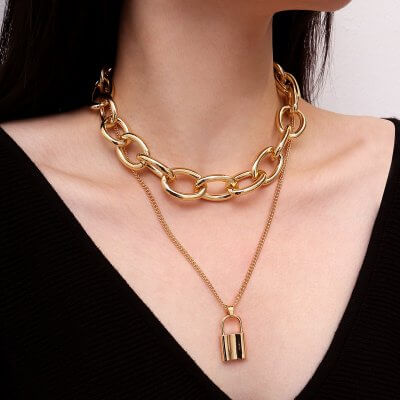
What Is A Fast Fashion Jewelry Manufacturer?
-
Fast fashion jewelry manufacturer enables rapid production, cost efficiency, scalable supply chains, and trend-driven designs.
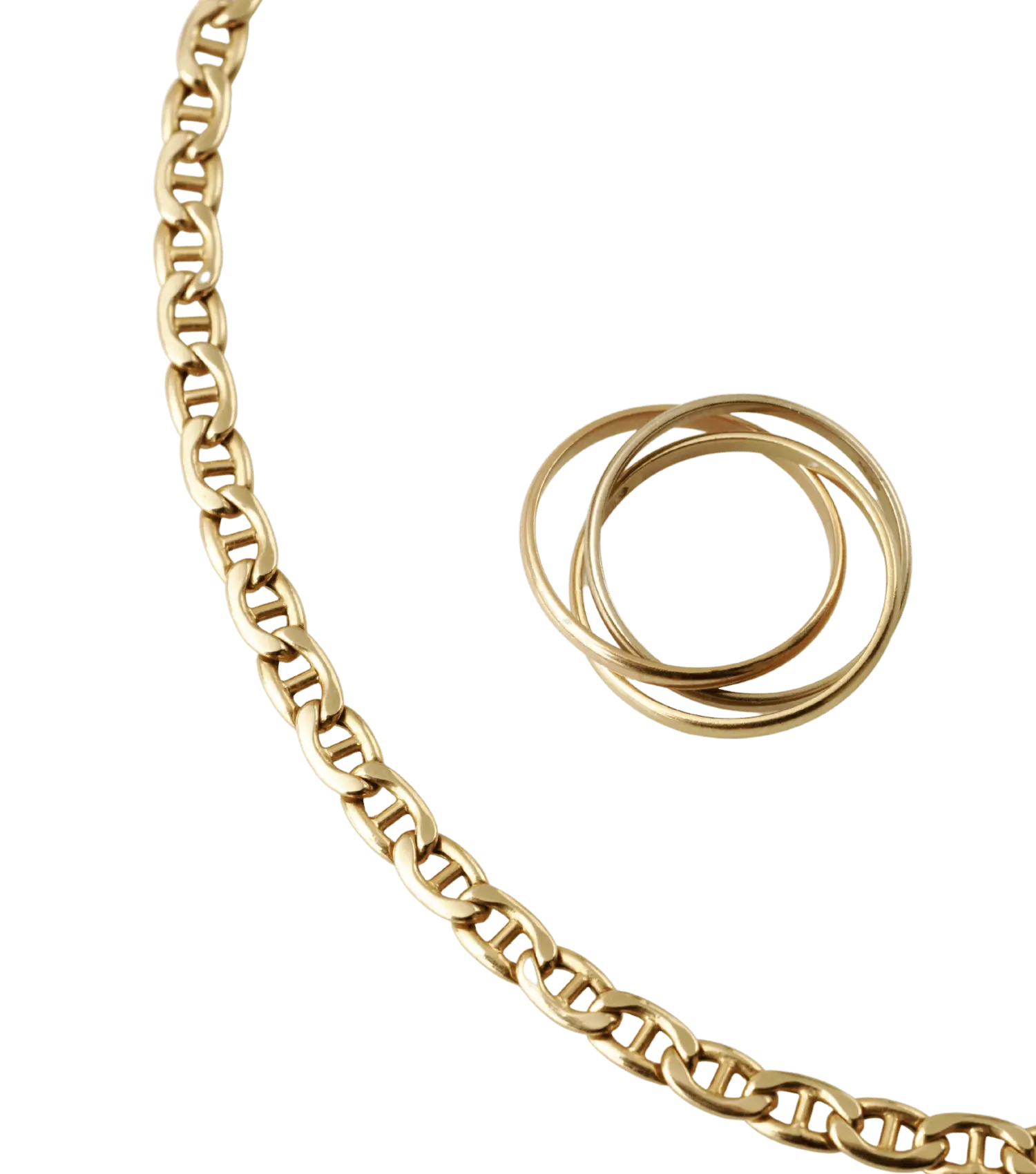
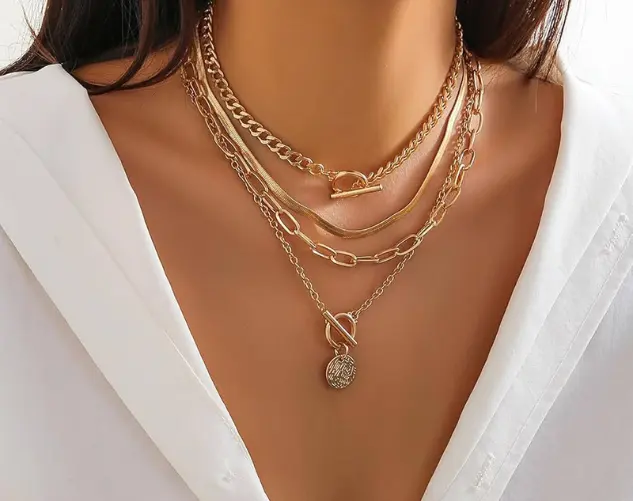
A fast fashion jewelry manufacturer produces trendy accessories with rapid turnaround times and scalable systems. This model focuses on speed, affordability, and frequent design updates. Brands rely on a fast fashion jewelry manufacturer to follow global fashion cycles closely. Production begins quickly after trend validation and ends with rapid distribution. Unlike traditional jewelers, this approach prioritizes volume over long-term durability. Designers create pieces inspired by runway and social media trends. Manufacturing lines support frequent product refreshes across seasons. Retailers benefit from quick inventory updates and competitive pricing. This model suits brands targeting younger consumers. Market responsiveness defines success in this industry.
Key Characteristics Of Fast Fashion Jewelry Production
A fast fashion jewelry manufacturer operates with strong emphasis on speed and flexibility. Production cycles often last only a few weeks. Teams analyze trends using digital tools and real-time data. Designers convert insights into market-ready collections rapidly. Cost control plays a crucial role in maintaining profit margins. Manufacturers reduce expenses through material selection and bulk processing. Scalability allows factories to handle large volume orders efficiently. Flexibility enables frequent design adjustments without delays. Production lines adapt to changing styles and finishes. Efficiency and adaptability drive competitive advantage in this sector.
Materials And Manufacturing Techniques In Fast Jewelry
A fast fashion jewelry manufacturer selects materials based on cost, durability, and visual appeal. Common materials include zinc alloys, brass, and stainless steel. A stainless steel jewelry set offers corrosion resistance and extended usability. Electroplating techniques create gold or silver finishes efficiently. Surface treatments improve shine and reduce tarnishing risks. Polishing processes enhance appearance and smooth edges. Manufacturers use casting, stamping, and CNC machining for precision. Injection molding supports complex and lightweight designs. Coating thickness influences product longevity and color retention. Material engineering directly impacts customer satisfaction and return rates.
Supply Chain Structure Of A Fast Fashion Jewelry Manufacturer
A fast fashion jewelry manufacturer depends on highly coordinated supply chain systems. Design teams collaborate with sourcing departments from the early stages. Raw materials arrive from global suppliers at competitive prices. Production scheduling aligns with seasonal product launches. Logistics teams ensure timely shipping to distribution centers. Digital systems track inventory and production progress continuously. Manufacturers maintain relationships with multiple vendors to reduce risks. Warehousing supports quick dispatch to retailers worldwide. Efficient coordination allows fast response to market demand changes. Supply chain strength directly affects operational efficiency.
Why design-for-manufacture matters with Yiwu suppliers
Design decisions directly affect cost when you work with a Yiwu jewelry manufacturer. Simplifying components reduces soldering and finishing time. Choosing common findings and standardized chain gauges lowers procurement premiums. Modular design allows parts reuse across collections, improving volume leverage. Suppliers often propose alternative finishes that preserve aesthetics at lower cost. Early engagement with production teams shortens the sampling cycle. Designers who adapt with supplier input benefit from lower unit cost without compromising brand identity. This co-design approach explains why many brands achieve better margins after shifting early-stage work to Yiwu partners.
Logistics and shipping efficiencies from regional clusters
Regional clustering around Yiwu cuts logistics complexity for jewelry sourcing. Consolidation hubs reduce freight per piece through palletized shipments. Shorter inland transit times lower warehousing overhead and product dwell. Suppliers often coordinate export paperwork, which reduces administrative burden for buyers. Airfreight suits urgent replenishments, while sea freight optimizes bulk cost. For multi-supplier buys, consolidation into a single export container reduces per-unit freight significantly.
Transparent HS code handling and proper labeling avoid customs delays that can inflate costs. These logistical efficiencies contribute strongly to why working with a Yiwu jewelry manufacturer reduces total landed cost for brands.
Quality Control Standards And Certifications
A fast fashion jewelry manufacturer implements strict quality control procedures across production stages. Inspection processes occur during casting, plating, and finishing phases. Workers check plating consistency and structural integrity carefully. Testing includes wear resistance and color stability evaluations. Compliance with standards such as REACH and RoHS remains essential. These regulations restrict harmful substances in jewelry products. Laboratories test for nickel release and chemical safety. Documentation supports international trade and brand credibility. Quality teams reduce defect rates through continuous monitoring. Certification compliance strengthens global market access.
| Standard | Region | Purpose | Key Requirements |
|---|---|---|---|
| REACH | European Union | Chemical safety regulation | Limits hazardous substances such as nickel and lead |
| RoHS | European Union | Restriction of hazardous materials | Controls use of heavy metals in components |
| CA Prop 65 | United States | Consumer safety warning law | Requires labeling for exposure to harmful chemicals |
| ISO 9001 | Global | Quality management system | Ensures consistent production and process control |
| ASTM F2923 | United States | Children’s jewelry safety | Sets limits on lead and cadmium content |
How Standards Influence Product Safety And Market Access
A fast fashion jewelry manufacturer must align with international regulations to maintain competitiveness. Standards directly affect product safety and compliance performance. Testing ensures that materials meet chemical and physical safety thresholds. Certification builds trust with global retailers and distributors. Compliance reduces risks related to recalls and legal penalties. Buyers often request documentation before confirming bulk orders. Standard adherence improves internal production consistency and traceability. Reliable systems support brand credibility in international markets. Regulatory compliance also enables smoother customs clearance processes. Strong quality frameworks enhance long-term operational stability.
Advantages Of Working With A Fast Fashion Jewelry Manufacturer
A fast fashion jewelry manufacturer provides significant advantages for modern businesses. Quick production cycles support fast product launches and seasonal updates. Lower costs improve profit margins for retailers and distributors. Flexible order quantities suit both small and large businesses. Manufacturers often provide customization services for branding needs.Design teams assist with trend adaptation and development. Efficient logistics reduce delivery times significantly. A luxury fine jewelry set can inspire designs at accessible price levels. Retailers can test new styles without high investment risks. Competitive pricing attracts price-sensitive consumers effectively.
Challenges And Limitations In Fast Fashion Jewelry Manufacturing
A fast fashion jewelry manufacturer faces several operational and environmental challenges. Environmental impact remains a major concern within the industry. Frequent production increases waste and resource consumption. Short product lifecycles contribute to sustainability issues. Quality may vary depending on material and process control. Brand differentiation becomes difficult due to similar designs. Price competition can reduce profit margins over time. Supply chain disruptions affect production schedules significantly. Ethical sourcing requires strict supplier evaluation and monitoring. Addressing these issues remains essential for long-term growth.
Fast Fashion Vs Traditional Jewelry Manufacturing
| Factor | Fast Fashion Jewelry | Traditional Jewelry |
|---|---|---|
| Production Speed | Very fast cycles | Long production time |
| Material Cost | Low to moderate | High-value materials |
| Design Updates | Frequent changes | Stable collections |
| Durability | Moderate lifespan | Long-lasting products |
| Pricing | Affordable | Premium pricing |
Key Features Buyers Should Evaluate
A fast fashion jewelry manufacturer should be evaluated using clear and structured criteria.
- Production capacity and scalability
- Material quality and plating standards
- Minimum order quantity flexibility
- Lead time reliability
- Custom design capabilities
- Certification compliance
- Packaging and branding options
How To Choose The Right Manufacturing Partner
A fast fashion jewelry manufacturer must align with business goals and operational needs. Companies should review factory certifications and production capabilities carefully. Communication efficiency plays a vital role in long-term cooperation. Site audits help verify manufacturing conditions and quality systems. Sample testing ensures product consistency before bulk orders. Pricing transparency prevents unexpected cost increases later. Strong partnerships improve supply chain stability and product quality. Strategic collaboration enhances competitiveness and responsiveness. Long-term success depends on trust and operational reliability.
FAQ
What Does A Fast Fashion Jewelry Manufacturer Do?
A fast fashion jewelry manufacturer designs and produces trendy jewelry quickly. Companies focus on rapid production cycles and cost efficiency. Design teams track global trends and convert them into products. Factories handle large volumes with consistent quality standards. These manufacturers support retailers with frequent new collections. Their operations rely on efficient supply chains and flexible production lines. Many also provide customization services for branding needs. Businesses use them to stay competitive in fast-changing markets. Speed and adaptability define their core value clearly.
Is Fast Fashion Jewelry Durable Enough For Retail?
A fast fashion jewelry manufacturer ensures durability through controlled material selection and processes. Stainless steel and quality plating improve product lifespan significantly. Proper coating thickness reduces tarnishing and wear issues. Quality control systems influence overall durability outcomes strongly. Fast fashion jewelry offers moderate longevity for everyday use. It suits trend-driven purchases rather than long-term investment items. Retailers should select suppliers with strong testing standards. Certifications ensure compliance with safety regulations globally. Care instructions can extend product usability for consumers. Balanced quality meets most market expectations effectively.
How Do Manufacturers Keep Costs So Low?
A fast fashion jewelry manufacturer reduces costs through efficient production and sourcing strategies. Bulk purchasing lowers raw material expenses significantly. Automated machinery increases output and reduces labor costs. Simplified designs minimize production complexity and time requirements. Supply chain optimization ensures smooth operations and reduced delays. Factories often operate in regions with lower labor costs. Standardized processes improve consistency and reduce waste levels. Large production volumes further decrease unit costs effectively. These strategies allow competitive pricing without sacrificing essential quality.