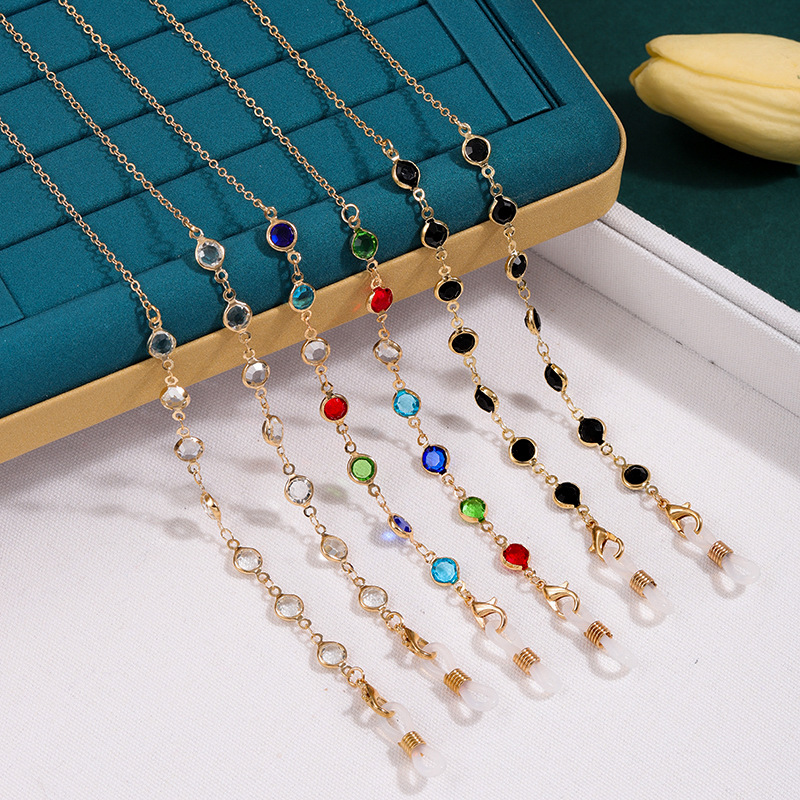
What Is The Latest B2B Jewelry Trend Forecast?
-
B2B jewelry trend forecast reveals materials, design shifts, pricing factors, and supply chain strategies shaping jewelry markets.

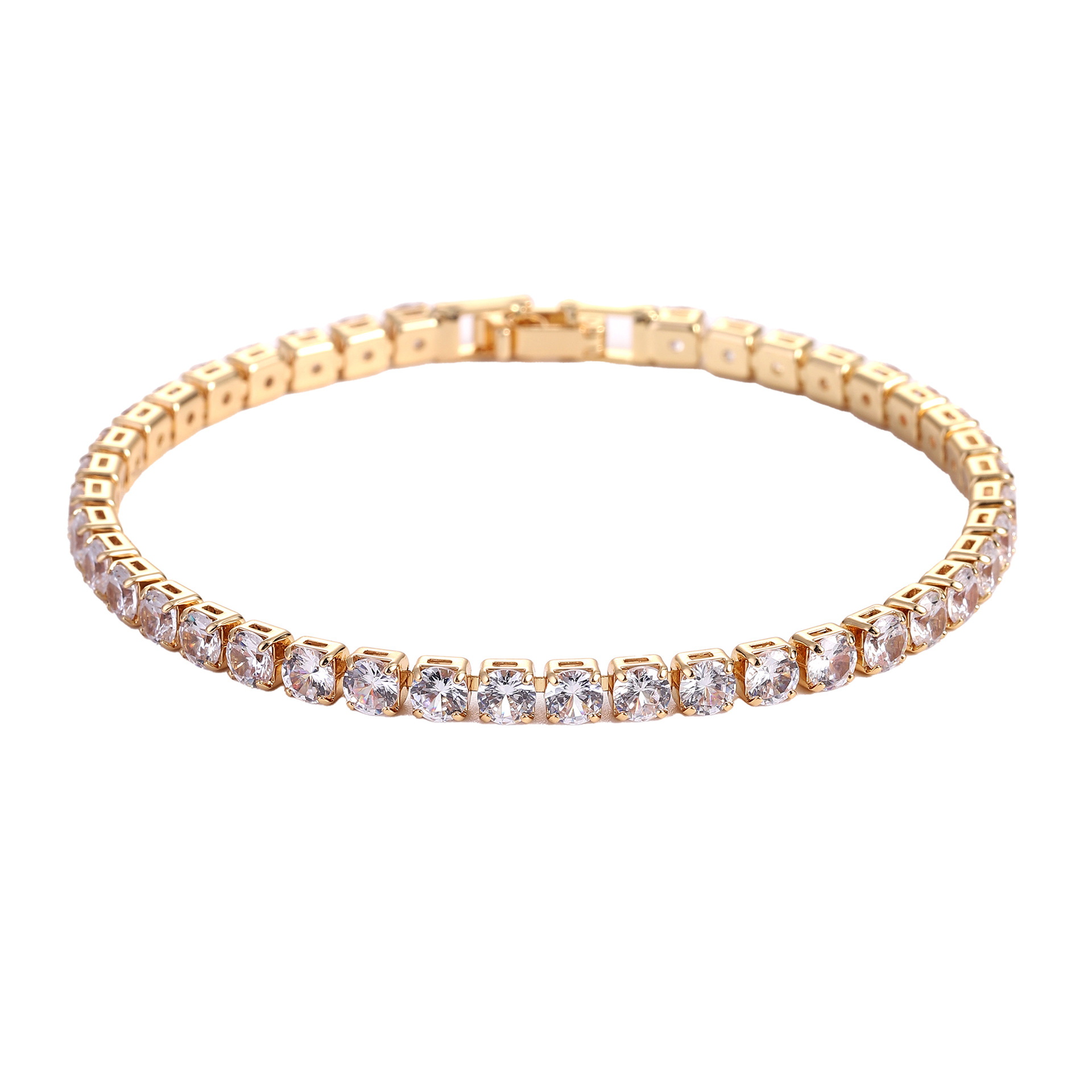
B2B jewelry trend forecast plays a critical role in shaping sourcing strategies and product development across global supply chains. Wholesale buyers depend on accurate projections to balance inventory, reduce risk, and capture emerging demand. Market signals indicate rapid shifts in materials, design preferences, and pricing expectations. Data-driven insights help manufacturers align production with buyer expectations. Competitive advantage often depends on early adoption of these trends. Strategic planning requires continuous monitoring of industry movements. Reliable forecasting integrates consumer behavior, raw material pricing, and manufacturing capabilities. Businesses that respond quickly to these signals gain stronger positioning in competitive wholesale markets.
Material Innovation Driving the B2B Jewelry Trend Forecast
Material selection strongly influences durability, pricing, and brand perception in wholesale jewelry markets. Recycled metals such as sterling silver and brass alloys gain traction due to sustainability goals. Lab-grown diamonds continue expanding because of controlled quality and lower cost structures. Advanced PVD coating improves resistance against tarnish and wear. Many suppliers adopt hypoallergenic materials like stainless steel for mass distribution. Consistent plating thickness ensures longer product lifespan and customer satisfaction. Compliance with REACH regulation for chemical safety and RoHS directive for hazardous substance restriction strengthens credibility. Material innovation directly impacts profit margins and repeat purchase rates. Suppliers investing in better materials often secure long-term partnerships with global buyers.
Design Directions Highlighted in the B2B Jewelry Trend Forecast
Design trends reveal clear segmentation between minimalist pieces and bold statement collections. Clean geometric shapes attract younger consumers seeking versatility. Chunky chains and oversized earrings maintain popularity in fashion-forward segments. Modular designs allow interchangeable components, increasing product flexibility. Cultural motifs inspired by heritage patterns create emotional value. Personalization elements such as engraved pendants gain consistent demand. Stackable rings and layered necklaces drive repeat purchases. Seasonal collections adapt color palettes and textures to match retail cycles. Design adaptability helps brands remain relevant across diverse markets. Strong visual identity enhances brand recognition in crowded wholesale environments.
Consumer Behavior Insights Behind B2B Jewelry Trend Forecast
Consumer preferences evolve rapidly due to social media influence and digital retail expansion. Younger buyers prioritize affordability combined with aesthetic appeal. Demand for personalized jewelry continues to grow across multiple regions. Customers seek transparency in sourcing and manufacturing processes. Short product life cycles increase the need for fast production turnaround. Value perception depends on both design uniqueness and material quality. Online reviews and influencer endorsements significantly affect purchasing decisions. Businesses must align product offerings with these behavioral shifts. Consumer psychology analysis improves forecasting accuracy and inventory planning. Strong alignment between demand and supply reduces overstock risks.
Manufacturing Technologies Reshaping B2B Jewelry Trend Forecast
Technological advancements improve efficiency and precision in jewelry production processes. CAD software enables rapid prototyping and accurate design visualization. 3D printing reduces development time and tooling costs significantly. Automated stone setting machines enhance consistency and reduce labor dependency. Laser cutting technology ensures precise detailing in metal components. Polishing automation improves surface finish quality across large batches. Digital quality control systems detect defects early in production cycles. Scalable manufacturing supports both small MOQ and bulk orders. Investment in technology strengthens supplier competitiveness. Efficient production systems directly impact delivery timelines and cost control.
Supply Chain Strategies in the B2B Jewelry Trend Forecast
Supply chain optimization remains essential for maintaining stable operations in volatile markets. Multi-sourcing strategies reduce dependency on single suppliers. Flexible MOQ structures attract small and medium-sized buyers. Inventory management systems help balance stock levels and demand fluctuations.

Faster logistics solutions shorten delivery cycles and improve responsiveness. Businesses offering fashion summer jewelry wholesale gain advantages during peak seasonal demand. Strategic warehousing reduces shipping delays and costs. Transparent communication between suppliers and buyers ensures smooth coordination. Risk mitigation strategies protect against disruptions in raw material supply. Efficient supply chains enhance overall customer satisfaction and retention.
Pricing Structures and Cost Factors in B2B Jewelry Trend Forecast
Pricing strategies require careful analysis of multiple cost components within production systems. Raw material costs fluctuate based on global metal markets. Labor expenses vary depending on manufacturing location and skill level. Overhead costs include machinery maintenance and facility operations. Packaging and logistics also contribute to final pricing structures. Bulk purchasing reduces unit cost and increases competitiveness. Suppliers often adopt tiered pricing models based on order volume. Currency exchange rates influence international transactions significantly. Profit margins depend on balancing cost efficiency with perceived value. Transparent pricing builds trust with long-term business partners.
Compliance and Certification Trends in B2B Jewelry Trend Forecast
Regulatory compliance ensures product safety and market acceptance across international regions. Standards such as ISO 9001 for quality management and ISO 14001 for environmental systems validate manufacturing processes. Nickel release testing follows EN 1811 standard to prevent skin irritation risks. Ethical sourcing certifications such as RJC ensure responsible supply chain practices. Documentation supports traceability from raw materials to finished products. Audits verify adherence to labor and environmental regulations. Certification processes strengthen brand credibility in global markets. Buyers increasingly require proof of compliance before placing orders. Reliable documentation reduces legal risks and enhances transparency. Strong compliance frameworks support sustainable business growth.
Key Product Categories in the B2B Jewelry Trend Forecast
Product segmentation highlights differences between fine jewelry and fashion jewelry markets. Fine jewelry focuses on precious metals and gemstones with higher margins. Fashion jewelry emphasizes affordability and trend-driven designs. Trending items include trendy stacked bracelets set, which drive repeat purchases. Earrings and necklaces remain high-volume categories in wholesale markets. Seasonal collections introduce fresh designs aligned with fashion cycles. Evergreen products maintain steady demand throughout the year. Product diversification helps reduce dependency on single categories. Strong category planning improves inventory turnover rates. Balanced product portfolios enhance revenue stability.
Comparative Overview of Key Trends in B2B Jewelry Trend Forecast
| Category | Key Trend | Impact | Business Value |
|---|---|---|---|
| Materials | Recycled metals | Lower environmental impact | Improved brand image |
| Design | Modular systems | Higher versatility | Increased repeat sales |
| Technology | 3D printing | Faster prototyping | Reduced development cost |
| Supply Chain | Multi-sourcing | Risk reduction | Stable operations |
Cost Structure Breakdown in B2B Jewelry Trend Forecast
| Cost Component | Description | Impact Level | Optimization Strategy |
|---|---|---|---|
| Materials | Metal and gemstone costs | High | Bulk purchasing |
| Labor | Production workforce | Medium | Automation |
| Logistics | Shipping and handling | Medium | Consolidated shipping |
| Overhead | Facilities and utilities | Low | Energy efficiency |

Strategic Interpretation of Data in B2B Jewelry Trend Forecast
Data interpretation transforms raw information into actionable strategies for business growth. Companies analyze trend data to identify high-demand product categories. Predictive models estimate future demand based on historical patterns. Risk assessment tools evaluate potential disruptions in supply chains. Businesses adjust production schedules to match forecasted demand. Strategic pricing decisions rely on accurate cost projections. Data integration across departments improves operational efficiency. Market intelligence supports expansion into new regions. Continuous analysis ensures adaptability in changing environments. Strong data utilization enhances long-term competitiveness.
Actionable Strategies for Businesses Using B2B Jewelry Trend Forecast
- Align product development with emerging design trends
- Evaluate suppliers based on quality and compliance
- Optimize inventory through demand forecasting
- Invest in manufacturing technology for efficiency
- Diversify sourcing to reduce risks
- Monitor global metal price fluctuations
Strategic Application of Forecast Insights for Growth
Applying forecast insights requires alignment between strategy and execution across business functions. Product teams translate trends into commercially viable designs. Procurement teams secure reliable suppliers based on forecast data. Marketing teams highlight trending features to attract buyers. Sales teams adjust pricing strategies based on market conditions. Operations teams ensure timely production and delivery. Cross-functional collaboration improves overall efficiency. Businesses that integrate forecasting into daily operations achieve stronger growth. Consistent application of insights enhances decision-making accuracy. Effective execution turns forecasts into measurable business outcomes.
Future Outlook of the B2B Jewelry Trend Forecast
Future developments indicate continued innovation in materials and production technologies. Sustainable practices will remain a central focus for global buyers. Digital transformation will improve transparency and efficiency in supply chains. Emerging markets present new opportunities for expansion. Customization and personalization will drive product differentiation. Technological advancements will reduce production costs further. Businesses must remain agile to adapt to rapid market changes. Long-term success depends on proactive strategy and continuous innovation. Strong forecasting capabilities support sustainable growth. Industry evolution will reward companies that embrace change effectively.
FAQ
How often should businesses update their jewelry trend strategy?
Businesses should review their strategy at least every quarter to remain competitive. Market conditions change rapidly due to consumer behavior and global supply shifts. Seasonal demand also influences product performance significantly. Frequent updates allow companies to adjust inventory and pricing effectively. Regular analysis improves responsiveness to new trends and disruptions. Companies using real-time data gain stronger forecasting accuracy. Continuous monitoring supports better decision-making across departments. Updating strategies ensures alignment with market demand. Businesses that adapt quickly often outperform competitors. Consistent evaluation strengthens long-term operational efficiency.
What factors most influence B2B jewelry demand globally?
Several factors drive global demand, including consumer preferences and economic conditions. Social media trends influence purchasing behavior significantly. Material costs affect pricing and product accessibility. Cultural influences shape design preferences across regions. Seasonal trends impact sales cycles in different markets. Supply chain efficiency determines product availability and delivery speed. Branding and perceived value also affect buyer decisions. Technological advancements improve product quality and variety. Market competition influences pricing strategies and innovation. These combined drivers help businesses align offerings with global demand patterns.
How can small businesses leverage trend forecasts effectively?
Small businesses can use forecasts to focus on high-demand product categories. Limited resources require careful selection of inventory and suppliers. Data analysis helps identify profitable opportunities with lower risk. Flexible MOQ arrangements allow smaller order quantities. Strategic partnerships with reliable manufacturers improve consistency. Digital tools provide access to market insights and analytics. Businesses should prioritize fast-moving products to maximize turnover. Efficient pricing strategies help maintain competitive positioning. Continuous monitoring ensures quick adaptation to market changes. Leveraging forecasts effectively supports sustainable growth for smaller enterprises.