
WechatIMG1079 拷贝

GET A QUOTE

Quote Now

Please write your message, ask for price, we will reply you soon, thanks.

Please enable JavaScript in your browser to complete this form.

Wholesale Jewelry Manufacturer & Product Categories

  1. Home
  2. /
  3. Uncategorized
  4. /
  5. What Materials Are Used In...

≡ Categories

INDUSTRY NEWS

JOYCHICCO NEWS

What Materials Are Used In OEM Custom Jewelry Production?

  • Strict alloy purity and precise electroplating standards ensure luxury quality in professional OEM custom jewelry production.
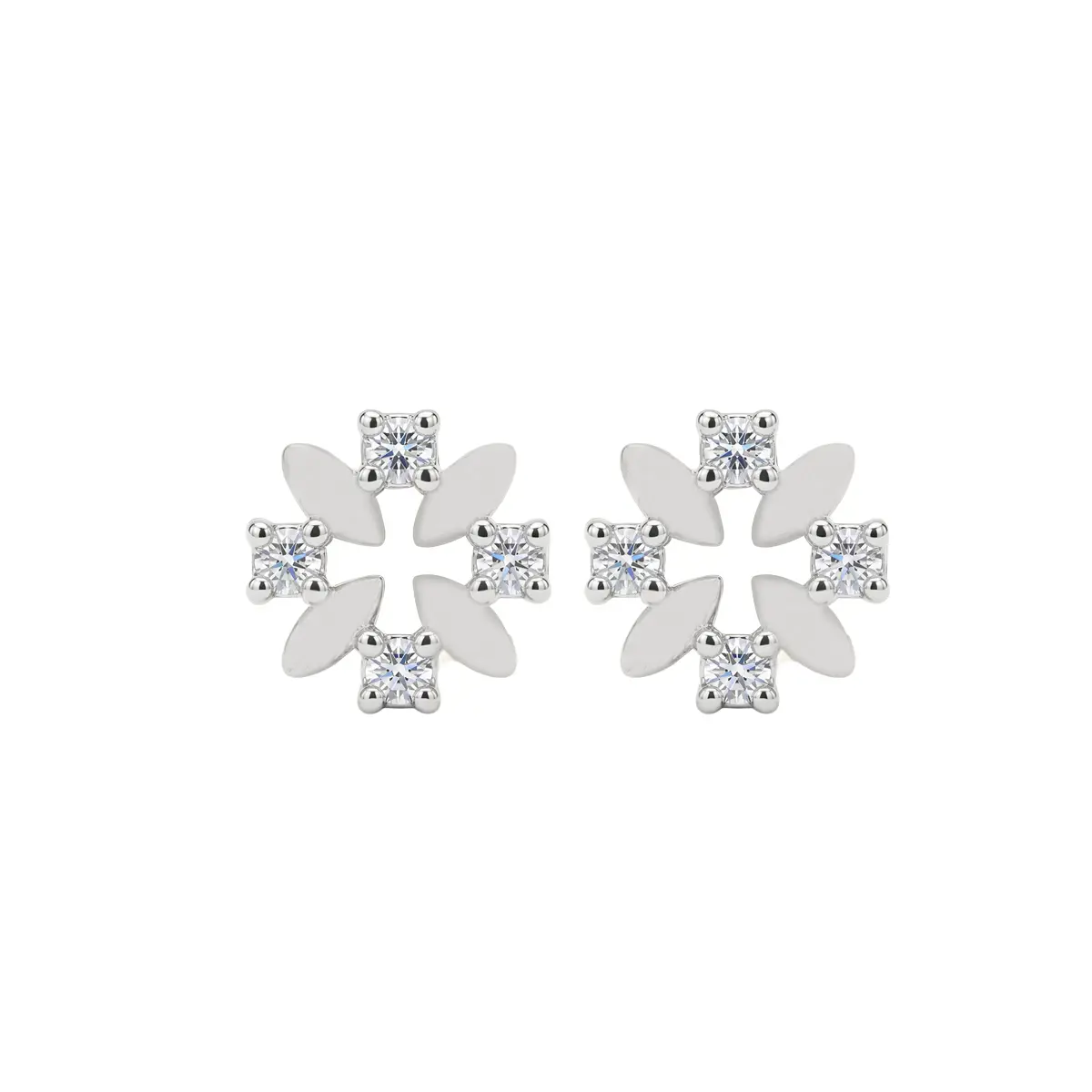
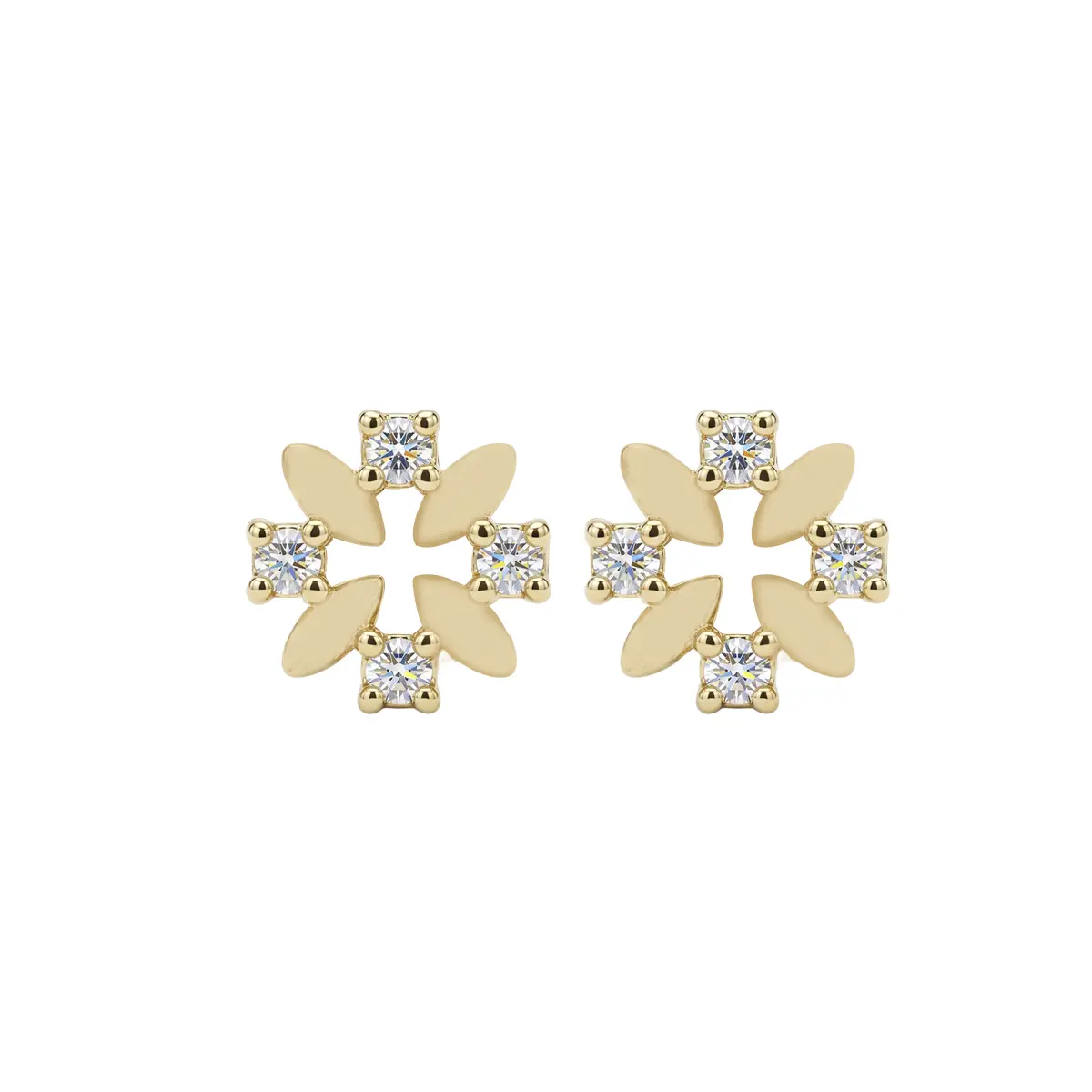
jewelry wholesale in Yiwu

Selecting high-quality raw metals represents the first critical step in successful jewelry creation. B2B buyers evaluate base metals to ensure the finished products meet strict consumer standards. Modern factories utilize advanced materials to elevate each project to international luxury tiers. Clients often request specific alloy compositions to optimize durability and final aesthetic appeal. The specialized selection process remains a cornerstone of professional OEM custom jewelry production. Metallurgists constantly analyze material purity to guarantee consistent quality for global purchasing partners. Reliable suppliers provide certified documentation for all metals before melting and casting begin. Technical experts supervise every phase to prevent impurities from entering the production line. Such attention to detail ensures a high-quality surface finish on every delivered jewelry piece.

How Precious Metals Define Quality in OEM Custom Jewelry Production

Gold alloys form the foundational core of many premium accessories in the current market. Manufacturers adjust the karat level to achieve specific hardness levels and beautiful colorations. For instance, eighteen-karat gold offers superb durability alongside a rich, warm yellow hue. Platinum provides exceptional density and natural hypoallergenic properties for high-end corporate clients. Producers utilize these precious elements to manufacture exquisite collections for international brands. A notable example includes the popular Trendy Stacked Bracelets Bling Zircon Jewelry Set. Such designs demand ultra-pure metal matrices to support heavy gemstone settings. Artisans meticulously cast each component to maintain structural integrity under stressful wearing conditions. Precious metals elevate the intrinsic value of every custom collection.

Standard Base Metals for Durable Secondary Components

Brass serves as an excellent substrate material for affordable yet durable jewelry lines. Its high copper content allows for superior melting characteristics and smooth casting results. Bronze provides additional strength, making it ideal for large structural fashion accessories. Quality departments closely monitor the lead content in these alloys to ensure complete compliance. Global safety regulations require strict non-hazardous material limits for all consumer goods. Consequently, manufacturing facilities only source certified lead-free brass from verified metallurgy corporations. Stainless steel represents another reliable option for modern, highly resilient fashion items. The metal resists tarnish and scratch damage under daily wear conditions. Mechanical engineers select specific steel grades to optimize both laser engraving and polishing.

Gemstone Grade Specifications and Advanced Setting Techniques
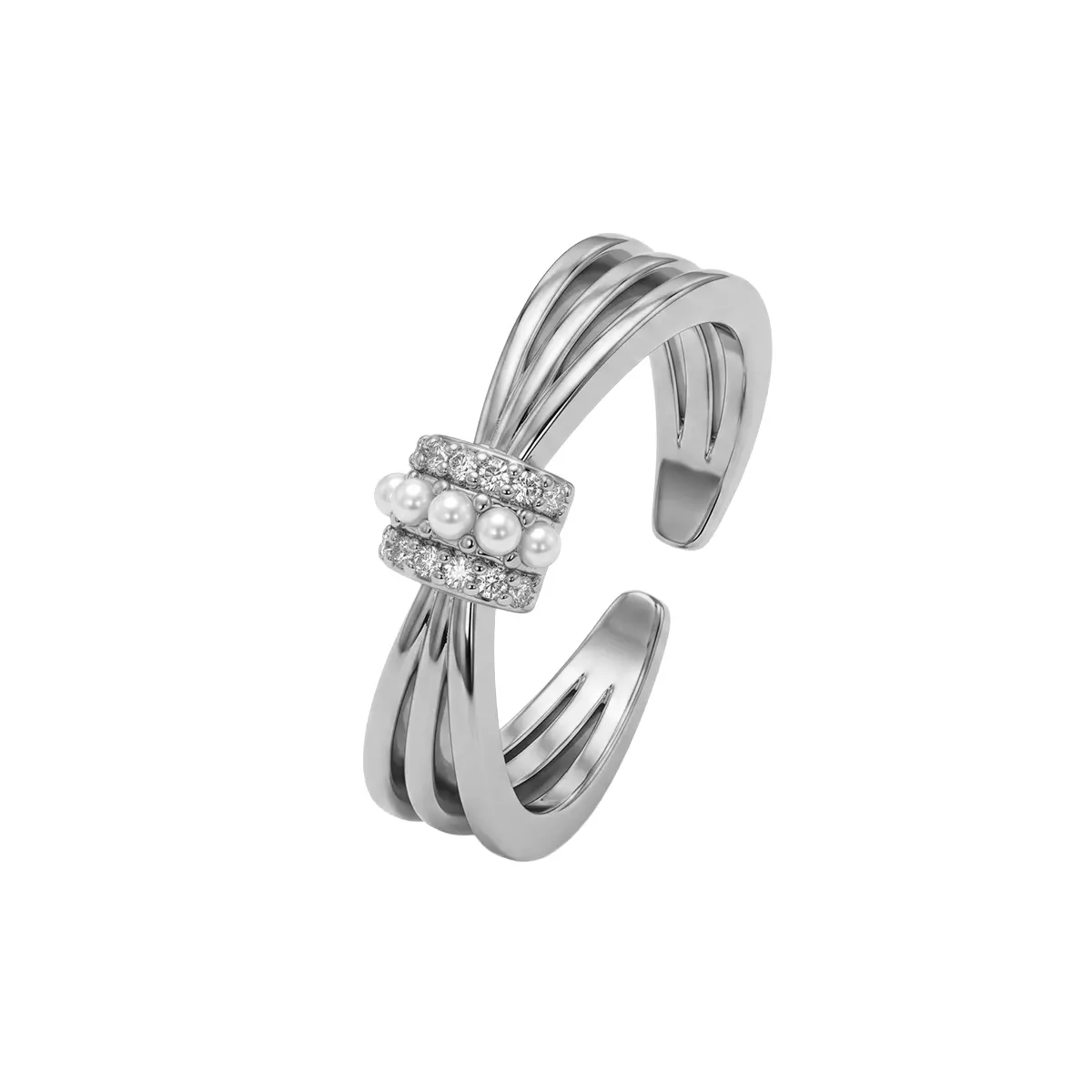
Selecting appropriate gemstones requires a deep appreciation of both hardness and clarity scales. Diamonds and sapphires provide maximum resistance to abrasions during everyday physical activities. Buying agents source natural and synthetic stones based strictly on client budget requirements. Skilled stone setters utilize microscopes to position each gem with precise alignment. Prong settings offer classical elegance while ensuring maximum light enters the stone facets. Channel and bezel techniques secure smaller accent gems against accidental loss or impact. Each mounting technique requires precise calibration of the metal seat for security. Improper setting pressure can fracture delicate minerals like emeralds or organic pearls. Therefore, factories employ experienced artisans who specialize in fragile crystal mounting procedures. Strict quality checks guarantee that every stone remains firmly in its designated position.

Material Name Purity Level (%) Vickers Hardness (HV) Primary Application
18K Yellow Gold 75.0% Gold 150 - 180 HV Luxury Rings & Necklaces
925 Sterling Silver 92.5% Silver 70 - 130 HV Fine Fashion Accessories
Platinum 950 95.0% Platinum 110 - 135 HV High-End Bridal Bands

Interpreting Metal Purity and Performance Standards

The engineering data highlights how material selection dictates the manufacturing workflow of jewelry. High-karat gold offers superb prestige but requires specific heat treatments to build strength. Sterling silver provides excellent malleability, allowing creative designers to create highly complex structures. However, the lower hardness level of silver means it scratches more easily than platinum. Platinum remains the premier choice for lifetime wear due to its superior physical density. Production engineers analyze these specific physical traits during the initial planning phase of every project. A dedicated technical team aligns metal properties with structural demands to prevent long-term wear issues. Such systematic matching of materials directly supports reliable OEM custom jewelry production results. As a result, B2B clients receive finished batches that precisely match their technical drawings.

Polymer Technologies in Modern Mold and Cast Engineering

Creating accurate master models requires advanced polymers that burn away cleanly during casting. Casting specialists use high-definition liquid resins in stereolithographic three-dimensional printing systems. Liquid photopolymers cure rapidly under ultraviolet light to form highly detailed jewelry patterns. Internal technicians inspect each printed mold for dimensional accuracy before investing the model. The investment plaster must dry completely under controlled temperatures to avoid cracking failures. During the burnout phase, the resin evaporates entirely without leaving any ash residue. Such clean evacuation prevents surface pitting on the molten precious metal parts. Modern vacuum casting machines then force molten alloy into the empty plaster cavity. Experienced operators achieve exceptional structural density by regulating gas pressures during this critical stage. Strict scientific control over the mold phase guarantees top-tier reproduction of complex geometries.

Electroplating Chemistry in High-End OEM Custom Jewelry Production

Electroplating adds both a beautiful luster and a protective barrier to base metals. Advanced plating facilities apply micron plating technology to ensure the finish survives years of friction. Industrial plating baths contain dissolved gold, rhodium, or palladium ions under strict concentration. A copper strike layer often serves as the initial adhesion promoter on brass. Technicians then deposit a nickel-free barrier layer to prevent skin irritation for consumers. Electrical current density determines the rate of metal deposition on the jewelry surfaces. Chemists monitor bath temperature and acidity to maintain chemical balance and efficiency. Careful rinsing between chemical dips eliminates contamination across different electroplating tanks. The meticulous chemical process yields brilliant, long-lasting surfaces on all fashion items.

Plating Type Thickness (Microns) Salt Spray Test (Hours) Target Quality Level
Flash Gold 0.1 - 0.25 Microns 12 - 24 Hours Budget Promotional Items
Micron Plating 1.0 - 2.5 Microns 48 - 72 Hours Standard Fashion Jewelry
Vermeil Plating 2.5 - 5.0 Microns 96+ Hours Premium Demi-Fine Jewelry

Evaluating Micron Plating Specifications and Durability
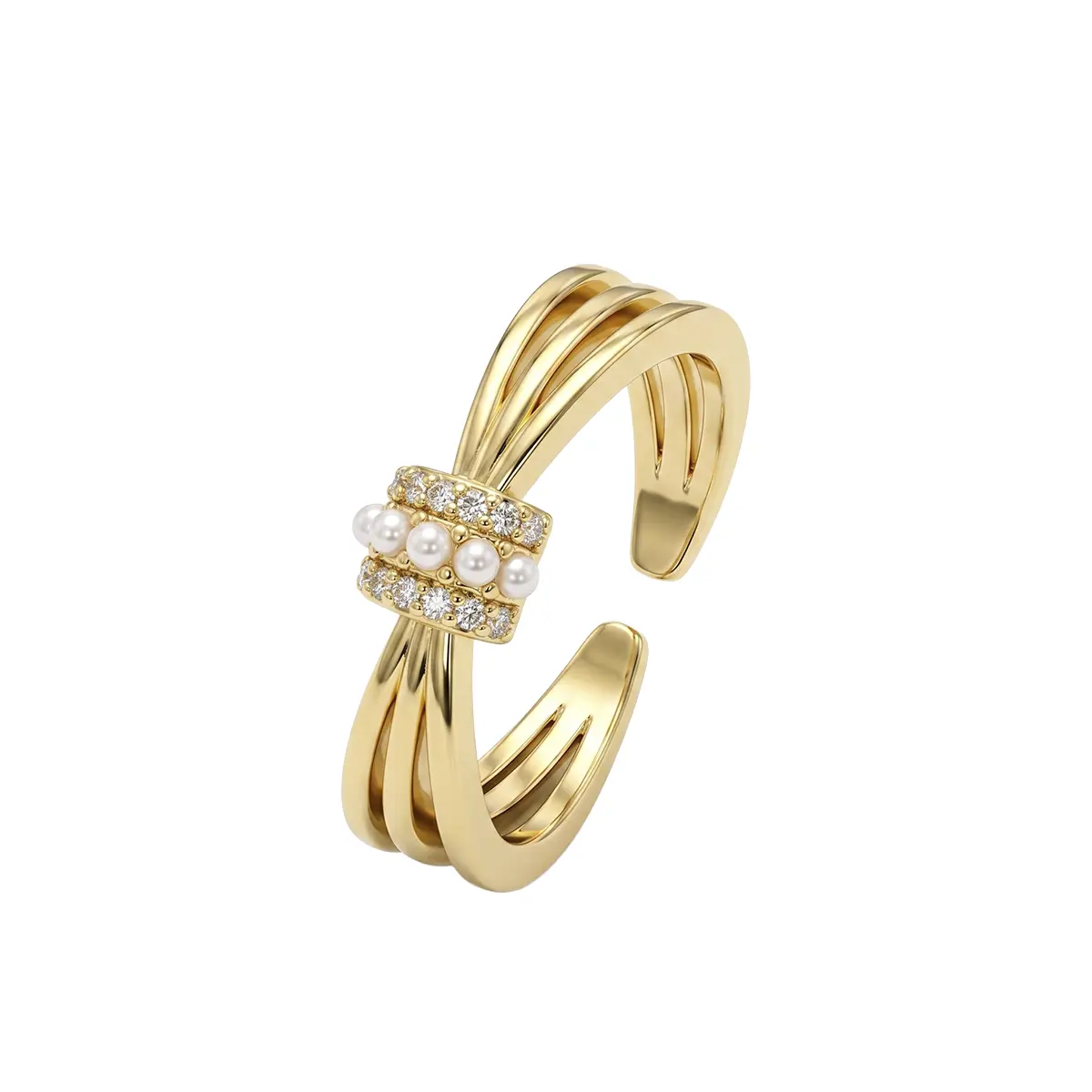
The plating specifications chart highlights how coating thickness influences overall jewelry lifespan. B2B brands must select appropriate thickness standards based on their consumer market tiers. Vermeil plating offers maximum wear resistance but increases production costs due to gold volume. Standard micron plating provides an excellent balance of durability and cost-efficiency for retailers. Inspectors use specialized testing equipment to verify the exact metal deposition on samples. Salt spray tests confirm the corrosion resistance of the finished batches under humidity. Such quality standards represent key requirements for successful OEM custom jewelry production lines. A certified facility guarantees that every batch meets these parameters before packing and dispatch. The validation protects the reputation of the purchasing brand in competitive retail markets.

jewelry wholesale in Yiwu

Implementing Recycled Gold and Ethical Sourcing Practices

Sustainable raw materials now represent a primary concern for modern jewelry supply chains. Responsible manufacturers source recycled gold and silver to reduce the environmental footprint of manufacturing. Sourcing managers verify the origins of all precious metals through certified transaction records. Ethical mining initiatives ensure fair labor conditions for workers in developing countries. Partnerships with accredited refiners ensure compliance with gold recycling standards. The strict supply chain oversight guarantees the integrity of environmental claims. Consumers increasingly demand complete transparency regarding the origin of their luxury accessories. Providing clear chain-of-custody documentation allows retailers to build long-term buyer trust. Modern factories continuously update green manufacturing protocols to align with global environmental goals. Such practices ensure that corporate clients receive ethical products that modern shoppers value.

Verifying Purity Through Strict Laboratory Assay Methods

Assaying metals ensures that each piece contains the exact precious metal content promised. Laboratories conduct fire assays on gold alloys to determine their precise chemical purity. The thermal extraction method provides highly accurate results with minimal experimental error. Spectroscopy devices analyze silver batches without damaging the actual physical structure. Chemists document every single evaluation to maintain full transparency for auditing. A great example of this validation is the Ocean Series Wide Hollow Wheat Bracelet. Independent assayers certified its alloy composition before the final polishing step occurred. B2B buyers rely on these laboratory reports to verify their orders meet national standards. Continuous quality testing eliminates the risk of receiving substandard raw material batches. The quality team rejects any shipment that falls short of strict metal purity standards.

  • Raw alloy chemical verification via spectrometer analysis
  • Dimensional tolerance checks using digital micrometer calipers
  • Tensile strength evaluations of solder joints and chain links
  • Visual inspection of stone settings under microscopic magnification

Analyzing Assay Certification Workflows in Jewelry Manufacturing

The outlined inspection procedures provide a comprehensive shield against common manufacturing defects. Each step addresses a potential point of failure in the manufacturing process. For example, spectrometer analysis prevents the use of mixed or contaminated alloys. Micrometer calipers ensure that all custom parts fit together with high accuracy. Technicians verify joint strength to ensure chains do not break during retail handling. Microscopic magnification reveals minor surface pores that manual polishing might miss. Such scientific protocols form the bedrock of premium OEM custom jewelry production systems. Inspectors record all test results in a central database for buyer review. The rigorous system ensures consistent luxury standards across massive commercial production volumes. Clients can proceed with product launches knowing their stock meets global market requirements.

Synthesizing Material Selection with Engineering Excellence

Success in fine accessory manufacturing relies on combining top materials with expert craftsmanship. Precious metals and durable base alloys provide the foundation for long-lasting retail products. Leading factories implement strict laboratory verification to ensure every metal batch meets purity targets. Advanced molding polymers and plating chemistry enhance the aesthetic appeal of designs. Collaborating with certified refiners ensures that standard raw materials meet global ethical standards. The comprehensive approach helps retailers secure high profit margins and customer loyalty. Dedicated quality departments remain committed to supporting brand growth through rigorous assurance. Manufacturing facilities stand ready to execute complex specifications for your next major collection. Choosing the right materials ensures your products stand out in a competitive market. B2B buyers can easily collaborate with experienced facilities on highly durable and beautiful designs.

FAQ

What is the standard purity of sterling silver used in custom manufacturing?

The standard purity for sterling silver remains exactly ninety-two point five percent. Copper typically comprises the remaining seven point five percent of the alloy. Artisans select this specific ratio to maximize metal hardness while preserving precious value. Pure silver is too soft for functional objects and deforms under mild pressure. The copper addition improves durability, making sterling silver ideal for commercial fashion items. Many factories utilize this alloy to execute complex designs during OEM custom jewelry production. Strict testing ensures that each piece contains the certified silver percentage. Retailers receive verified analysis certificates to prove alloy compliance with global regulations.

Why does hypoallergenic stainless steel remain popular for bulk orders?

Stainless steel resists both corrosion and oxidation, making it highly durable for consumers. The alloy contains chromium, which forms an invisible protective oxide layer on the surface. 

Factories offer steel options to clients who require tough, low-maintenance accessory collections. Such material is completely hypoallergenic, which prevents common skin reactions among sensitive wearers. Bulk buyers prefer steel because it offers maximum longevity at accessible manufacturing costs.Technicians implement specific polishing techniques to give steel a luxurious silver-like appearance. Experienced operators handle steel casting with extreme precision to maintain detail in bulk projects. The efficient metal processing supports profitable OEM custom jewelry production for international retailers.

How do manufacturers ensure plating thickness meets luxury requirements?
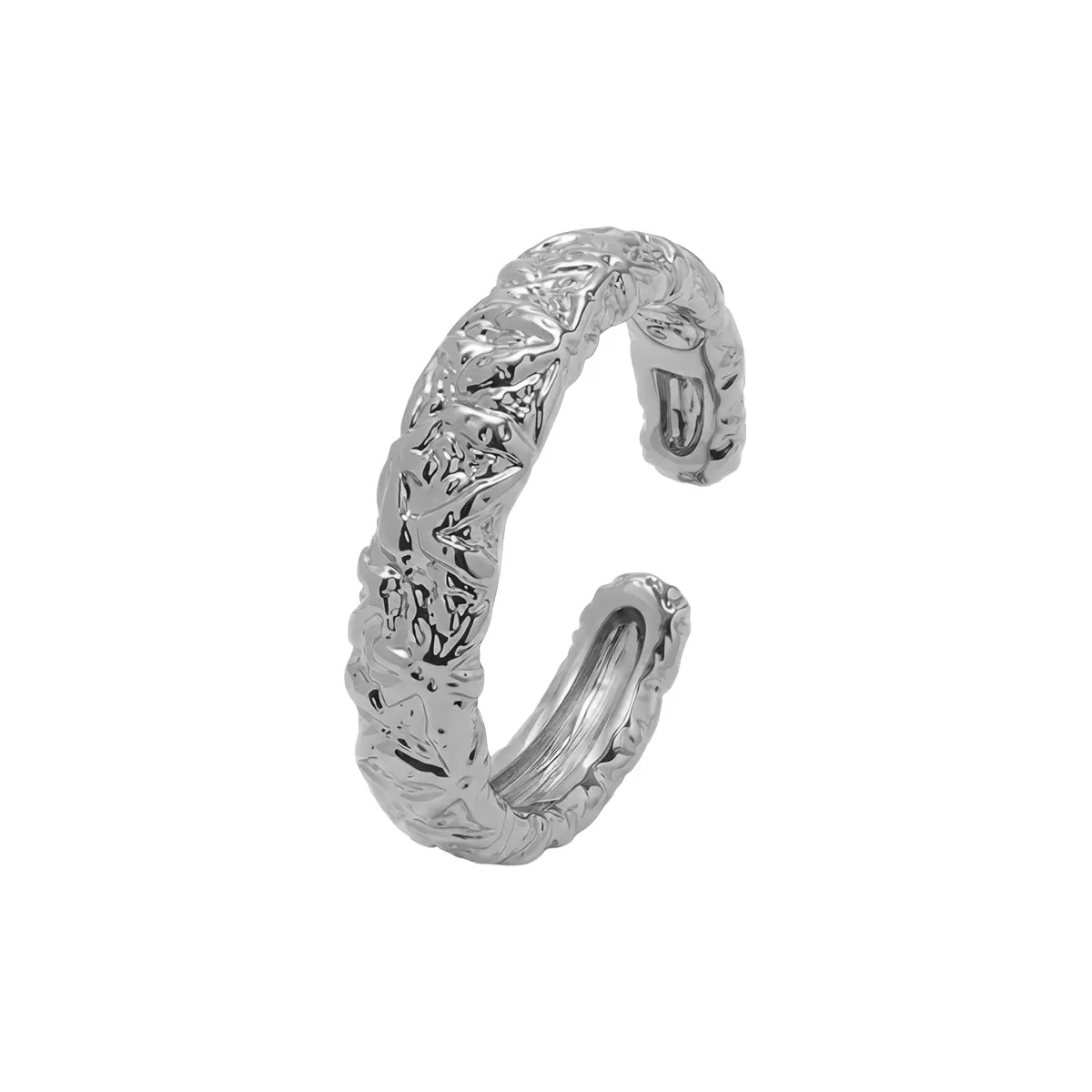
Testing plating thickness requires professional equipment like X-ray fluorescence spectrometers. Quality inspectors measure samples from each batch to ensure the micron thickness meets contract agreements. The X-ray beam analyzes the plated layers without destroying the finished jewelry items. Assay laboratories also conduct physical cross-section tests for deep microscopic thickness verification. Chemical engineers adjust electrical currents in plating tanks to control metal deposition. Precise timing and chemical ratios ensure consistent plating across all metal substrates. Such rigorous control represents a core standard in modern OEM custom jewelry production. Clients receive detailed laboratory reports verifying plating quality before shipment leaves the manufacturing facility.

Ready to Create Your Own Jewelry Brand?

Built for Your Business Growth

Global brands switch to Joychicco

Competitive Manufacturing Efficiency

Optimized production workflows and stable material sourcing help reduce manufacturing costs while maintaining reliable quality standards.

Consistent Quality Standards

Multi-stage inspections and standardized production processes ensure stable quality across every order and reorder.

Scalable Production Capacity

Flexible production capacity supports both new collection launches and large-volume repeat orders with reliable lead times.

Long-Term Production Partnership

We support growing jewelry brands with dependable communication, stable production planning, and long-term manufacturing consistency.