What Should You Know About Brass Jewelry OEM Services?
-
Brass jewelry OEM services support scalable jewelry production, plating control, mold accuracy, and stable B2B supply chains.
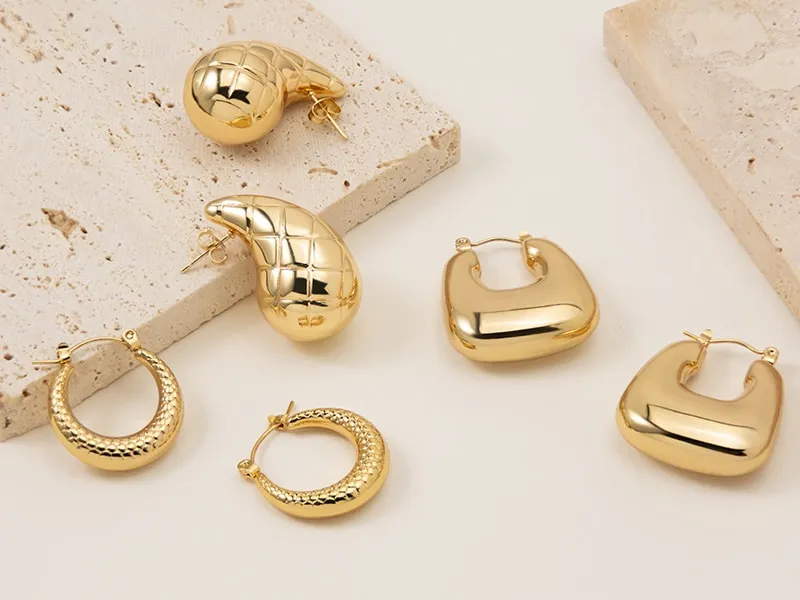
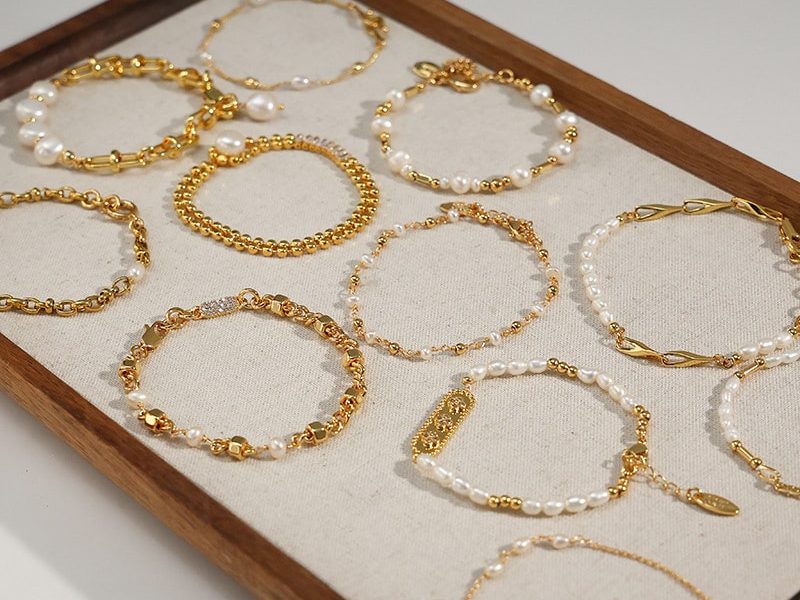
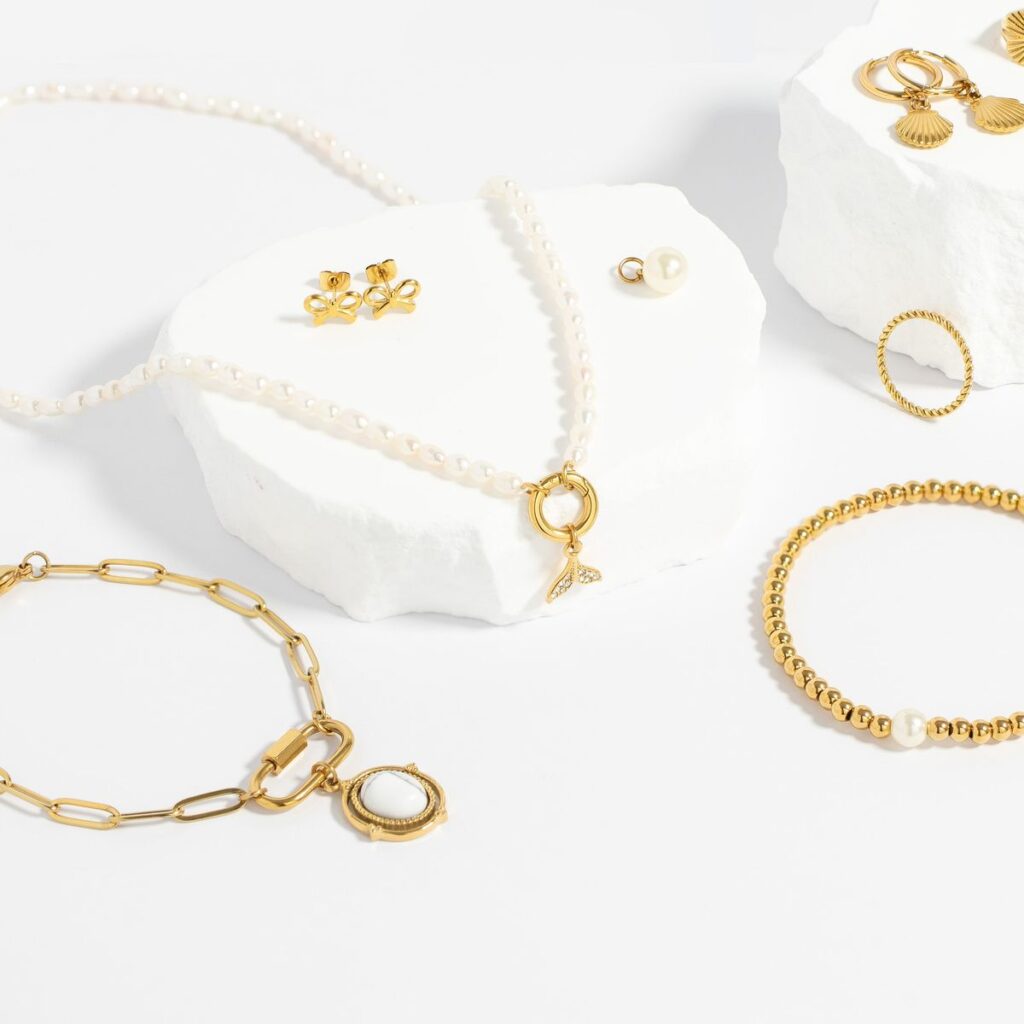
Brass jewelry OEM services remain important across global fashion accessory supply chains. Fashion brands prefer brass because production costs stay manageable during seasonal collection updates. Brass also supports detailed surface textures and complex geometric structures. Many factories produce earrings, necklaces, rings, and bracelets through highly automated workflows. Compared with sterling silver, brass reduces material pressure during large-volume orders. Buyers also gain flexibility when testing short lifecycle collections. Modern manufacturers combine casting, polishing, electroplating, and inspection inside integrated production systems. That structure improves consistency across repeat orders. International wholesalers often request brass products because the material adapts well to gold plating and rhodium finishing. Several B2B companies also prefer brass because mold development expenses remain relatively controlled during customized production programs.
Core Production Processes Behind Precision Jewelry Manufacturing
Professional jewelry factories divide production into several specialized manufacturing stages. Engineers first convert customer concepts into CAD structural drawings for dimensional evaluation. Production teams then create molds through CNC machining or silicone duplication systems. Brass material normally contains copper and zinc with carefully balanced composition ratios. Melting temperatures require strict monitoring during casting operations. Excessive heat often causes surface porosity and dimensional instability. Workers polish unfinished products through tumbling machines and manual grinding procedures. Electroplating departments later apply gold, silver, or rhodium coatings onto prepared surfaces. Inspection personnel finally verify stone setting stability, surface smoothness, and clasp functionality. Many factories producing Factory Woman Fashion Brass Zirconia Earrings also implement magnification inspections before packaging. Strong workflow coordination significantly reduces defect rates during mass manufacturing cycles for international jewelry buyers.
How Brass Material Properties Influence Product Durability
Material characteristics strongly affect jewelry performance throughout long-term commercial distribution. Brass provides balanced hardness while maintaining sufficient flexibility for decorative shaping processes. Copper content influences color warmth and conductivity properties inside electroplating systems. Zinc improves dimensional stability and reduces production brittleness during forming procedures. Factories usually select different brass grades according to product categories and surface treatments. Lightweight brass structures increase wearing comfort for large fashion earrings and layered necklaces. Properly processed brass also supports strong plating adhesion during electrochemical coating procedures. Manufacturers frequently apply anti-tarnish coatings after polishing operations to improve oxidation resistance. Humidity exposure still affects untreated brass surfaces over extended periods. Therefore, professional factories implement controlled storage environments before shipment. Reliable suppliers normally document alloy specifications for consistent production quality across repeated manufacturing programs.
Important Surface Finishing Technologies in Jewelry Production
Surface finishing directly influences visual quality and commercial value in fashion jewelry manufacturing. Electroplating departments often apply 14K gold, 18K gold, silver, or rhodium coatings. Thickness control remains extremely important during decorative finishing procedures. Thin coatings frequently cause early discoloration and customer complaints. Many manufacturers also use e-coating layers to improve moisture resistance and reduce oxidation risks. Mirror polishing creates reflective luxury appearances for premium fashion collections. Brushed textures provide softer visual effects suitable for minimalist jewelry categories. Sandblasting processes additionally support matte surface development across geometric products. Factories manufacturing Vintage Anti-allergy Brass Irregular Earrings commonly add anti-allergy coatings for sensitive skin markets. Surface preparation before plating also affects coating stability significantly. Polishing residue, oil contamination, and dust particles frequently create defects during electroplating operations if cleaning procedures remain insufficient.
| Surface Treatment | Main Purpose | Common Thickness | Commercial Advantage |
|---|---|---|---|
| 14K Gold Plating | Luxury appearance | 0.03-0.05 microns | Strong fashion demand |
| Rhodium Coating | Brightness protection | 0.05-0.10 microns | Improved tarnish resistance |
| E-coating | Moisture protection | Transparent layer | Longer surface lifespan |
| Sandblasting | Matte texture creation | Non-plating process | Modern visual style |
Why Plating Stability Determines Long-Term Jewelry Quality
Stable plating quality supports product reputation across wholesale and retail distribution networks. Professional factories measure coating thickness through X-ray fluorescence testing systems. Those inspections help manufacturers maintain stable electroplating performance during mass production. Jewelry products often experience friction, moisture exposure, perfume contact, and sweat accumulation during normal usage. Weak plating structures usually deteriorate quickly under those conditions. Many B2B buyers therefore request salt spray testing before shipment approval. Testing procedures simulate corrosive environments through controlled humidity and saline exposure cycles. Electroplating stability additionally depends on brass surface preparation quality before coating operations. Uneven polishing frequently causes inconsistent coating adhesion across decorative surfaces. Reliable manufacturers maintain separate cleaning, drying, and plating zones to reduce contamination risks. Stable process management strongly influences customer satisfaction and long-term wholesale partnership stability within international jewelry markets.
Brass Jewelry OEM Services and Mold Development Procedures
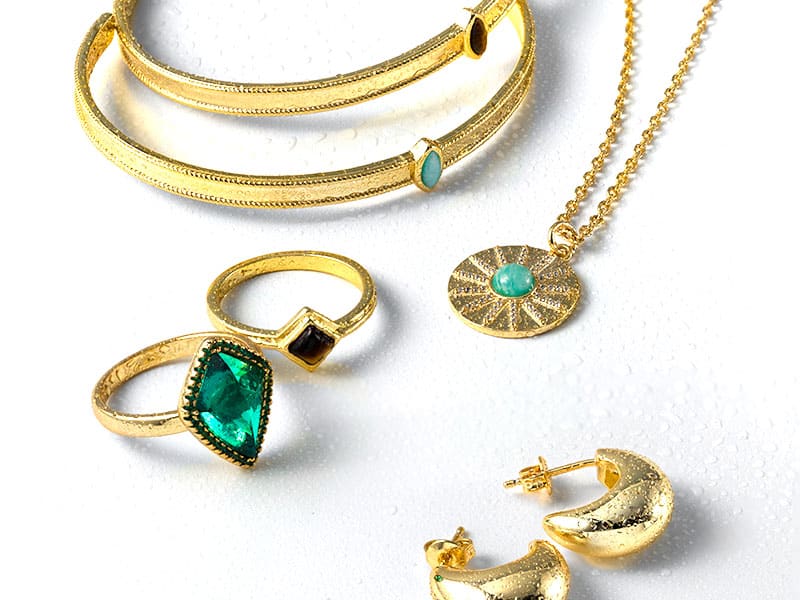
Brass jewelry OEM services normally begin with detailed technical communication between buyers and production engineers. Factories evaluate dimensions, stone settings, plating requirements, and logo placement before sampling begins. Mold development often represents a major investment during customized jewelry projects. Engineers first create digital structural models through CAD software platforms. Prototype samples then undergo fitting evaluations and surface inspections. Silicone molds support rapid sampling for smaller orders and frequent design adjustments. Steel molds usually support higher production stability during large-volume manufacturing cycles. Development timelines vary according to structural complexity and stone setting requirements. Complex geometric earrings frequently require multiple polishing stages and additional mold corrections. Experienced suppliers normally provide detailed sampling feedback before mass production approval. Clear communication during development stages significantly reduces later manufacturing delays and unnecessary tooling expenses.
Production Capacity Planning for Large Wholesale Programs
Large B2B jewelry orders require strong production planning and operational coordination. Factories usually divide production schedules into casting, polishing, plating, assembly, and packaging stages. Managers monitor workflow efficiency carefully during high-volume manufacturing periods. Capacity shortages often delay delivery schedules for seasonal jewelry collections. Many international buyers therefore request monthly production forecasts before purchase confirmation. Material procurement timing additionally affects manufacturing continuity across long production cycles. Packaging preparation also requires early coordination because customized boxes, pouches, and labels often involve separate suppliers. Some factories maintain dedicated lines for export-oriented jewelry programs. Others combine OEM projects with domestic production activities, which sometimes creates scheduling instability. Professional manufacturers normally establish inventory buffers for essential components and plating materials. Stable planning systems support consistent shipment performance throughout long-term cooperation programs.
| Production Stage | Average Lead Time | Main Risk Factor | Control Method |
|---|---|---|---|
| Mold Development | 7-15 days | Structural revisions | CAD verification |
| Mass Casting | 10-20 days | Porosity defects | Temperature monitoring |
| Electroplating | 5-10 days | Color inconsistency | Thickness inspection |
| Packaging | 3-7 days | Printing delays | Supplier coordination |
How Quality Standards Affect International Jewelry Supply Chains
International jewelry buyers increasingly request strict compliance documentation before shipment approval. Brass jewelry OEM services frequently require documented material verification before export authorization. Nickel release regulations remain particularly important within European consumer markets. Excessive nickel exposure frequently creates skin irritation problems among sensitive consumers. REACH compliance therefore plays an important role in export-oriented jewelry manufacturing programs. SGS testing also supports material verification and surface safety confirmation. Factories normally conduct adhesion testing, dimensional inspection, and stone retention evaluations before shipment release. Some companies additionally perform drop testing for fragile decorative structures. Professional inspection systems reduce return rates and improve retail customer confidence. Many wholesalers request third-party inspections before final payment authorization. Consistent quality documentation additionally improves factory credibility during long-term commercial partnerships. Reliable manufacturers maintain traceable inspection records for future production reference and continuous process improvement across repeat jewelry programs.
Comparison Between OEM and ODM Jewelry Manufacturing Models
OEM and ODM manufacturing structures support different commercial objectives within jewelry supply chains. Brass jewelry OEM services generally provide stronger customization flexibility for established fashion brands. OEM production follows customer-provided concepts, specifications, and branding requirements. Buyers usually maintain stronger intellectual property ownership under OEM cooperation structures. ODM factories, however, provide internally developed jewelry concepts for customer selection. That model reduces development pressure for brands with limited design resources. OEM projects often require higher communication involvement during mold development and sampling procedures. ODM structures generally shorten production preparation timelines because designs already exist. Cost structures also differ significantly between both cooperation methods. OEM manufacturing frequently includes additional tooling investments and engineering adjustments. ODM programs normally reduce initial development costs for smaller jewelry distributors. Buyers should evaluate brand positioning, customization demands, and budget limitations before selecting suitable manufacturing cooperation strategies for future commercial expansion.
Key Questions Buyers Should Ask Before Selecting Jewelry Suppliers
Professional supplier evaluation reduces operational risks during long-term purchasing cooperation. Buyers should first verify whether factories operate independent polishing and plating departments internally. Outsourced production stages sometimes create quality inconsistency across repeated orders. Material sourcing transparency also matters greatly during export-oriented jewelry programs. Reliable factories normally provide alloy specifications and plating documentation during technical discussions. Production scalability represents another important evaluation factor for growing fashion brands. Buyers should additionally confirm defect handling systems before production approval. Strong communication efficiency supports faster sampling revisions and smoother shipment coordination.
Several experienced importers also inspect packaging systems and warehouse organization during factory audits. Important supplier evaluation points include:
- Production capacity stability
- Mold development capability
- Electroplating quality control
- Compliance certification systems
- Export shipment experience
- Defect response procedures
- Communication efficiency
- Packaging customization flexibility
Careful supplier screening significantly improves operational reliability across international jewelry purchasing networks. Long-term partnerships usually depend on stable communication and consistent quality execution. Factories with mature management systems often provide stronger production transparency during complex manufacturing schedules. Buyers additionally benefit from documented inspection procedures and standardized operational workflows. Experienced suppliers normally assign dedicated account managers for project coordination and production updates. That structure improves issue resolution speed during urgent commercial situations. Strategic supplier selection also supports future product expansion and seasonal collection development. Many successful fashion jewelry brands maintain stable cooperation with a limited number of qualified manufacturing partners. Consistent collaboration often reduces production risks, minimizes communication delays, and improves delivery performance throughout expanding international wholesale operations.
FAQ
Why do international buyers prefer brass for fashion jewelry production?
Brass provides balanced strength, flexible shaping performance, and controlled manufacturing costs for fashion jewelry production. Manufacturers can create detailed decorative structures through casting and stamping procedures efficiently. The material also supports gold plating, rhodium coating, and anti-tarnish finishing effectively. Compared with sterling silver, brass significantly reduces material expenses during large-volume manufacturing programs. Lightweight brass structures additionally improve wearing comfort for oversized fashion earrings and layered necklaces. Professional factories often select different brass grades according to plating requirements and structural complexity. Stable machining performance also supports precise stone setting and surface polishing operations. Those characteristics make brass highly practical for international fashion jewelry supply chains and seasonal collection manufacturing programs.
How does plating quality influence jewelry lifespan?
Plating quality strongly affects appearance stability and long-term durability in fashion jewelry products. Thin coatings often wear quickly after friction, moisture exposure, and cosmetic contact. Professional factories therefore monitor plating thickness carefully during electrochemical coating operations.