Why Is OEM Jewelry Bulk Production Popular In 2026?
-
Secure reliable OEM jewelry bulk production with advanced CNC milling and eco-friendly electroplating for global retailers.
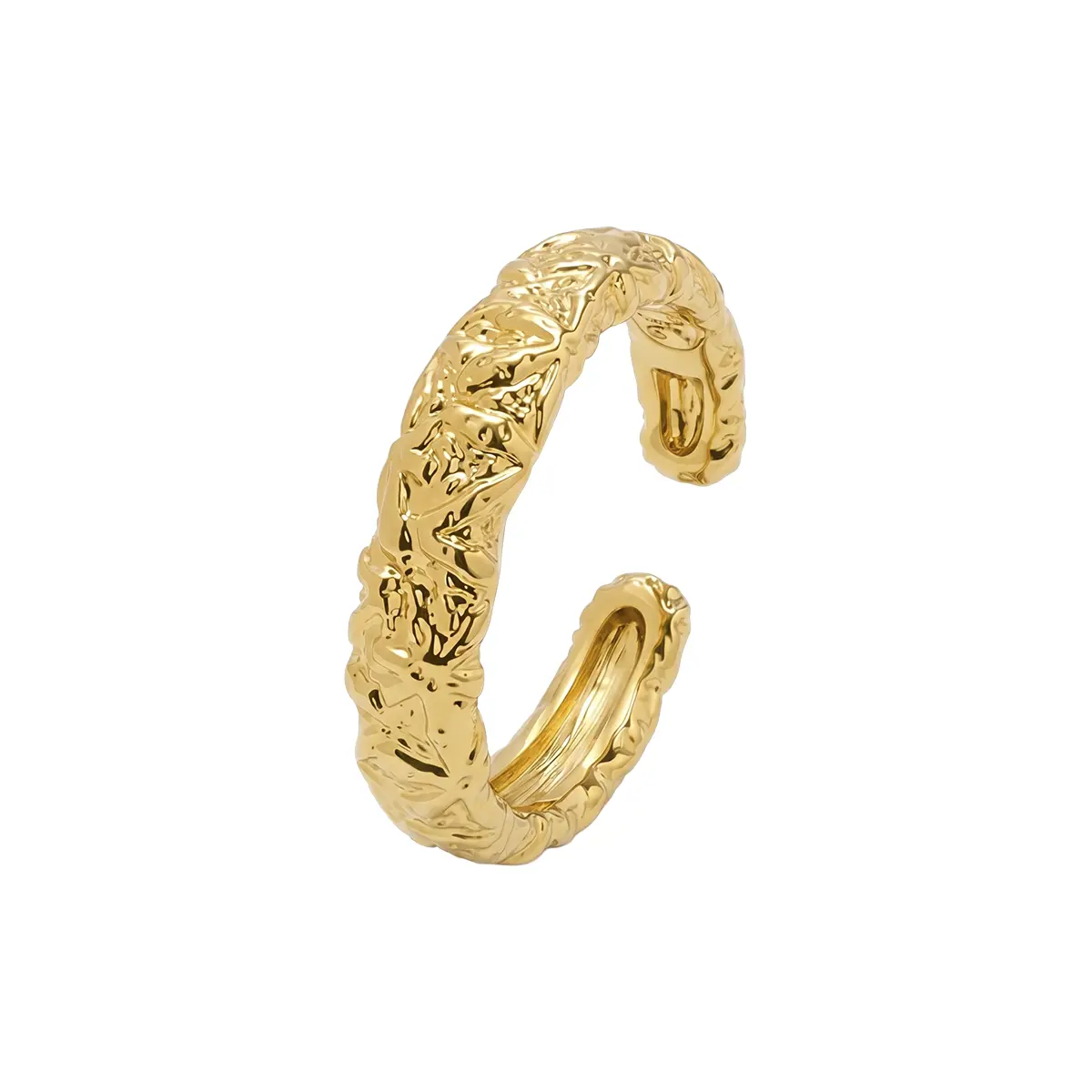
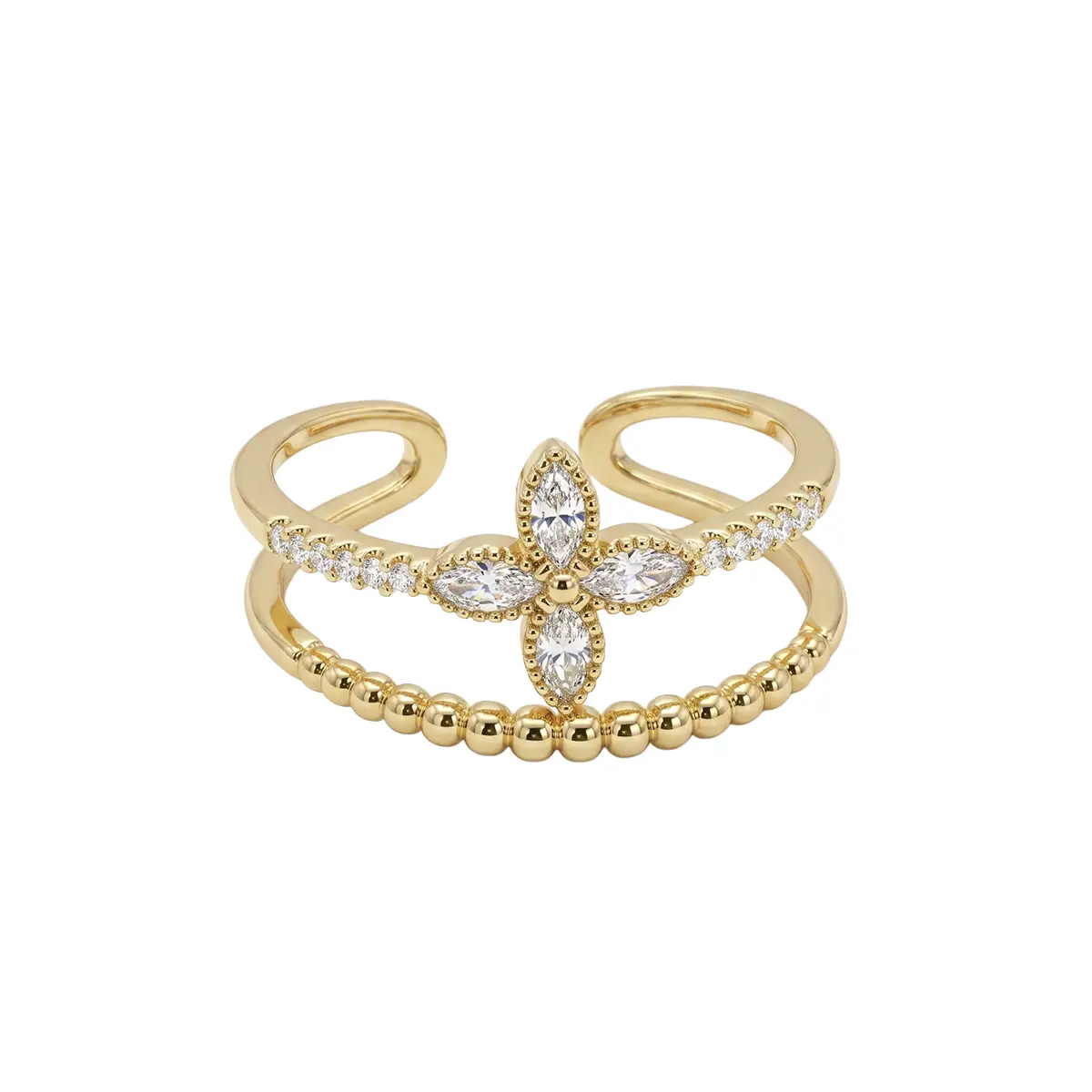
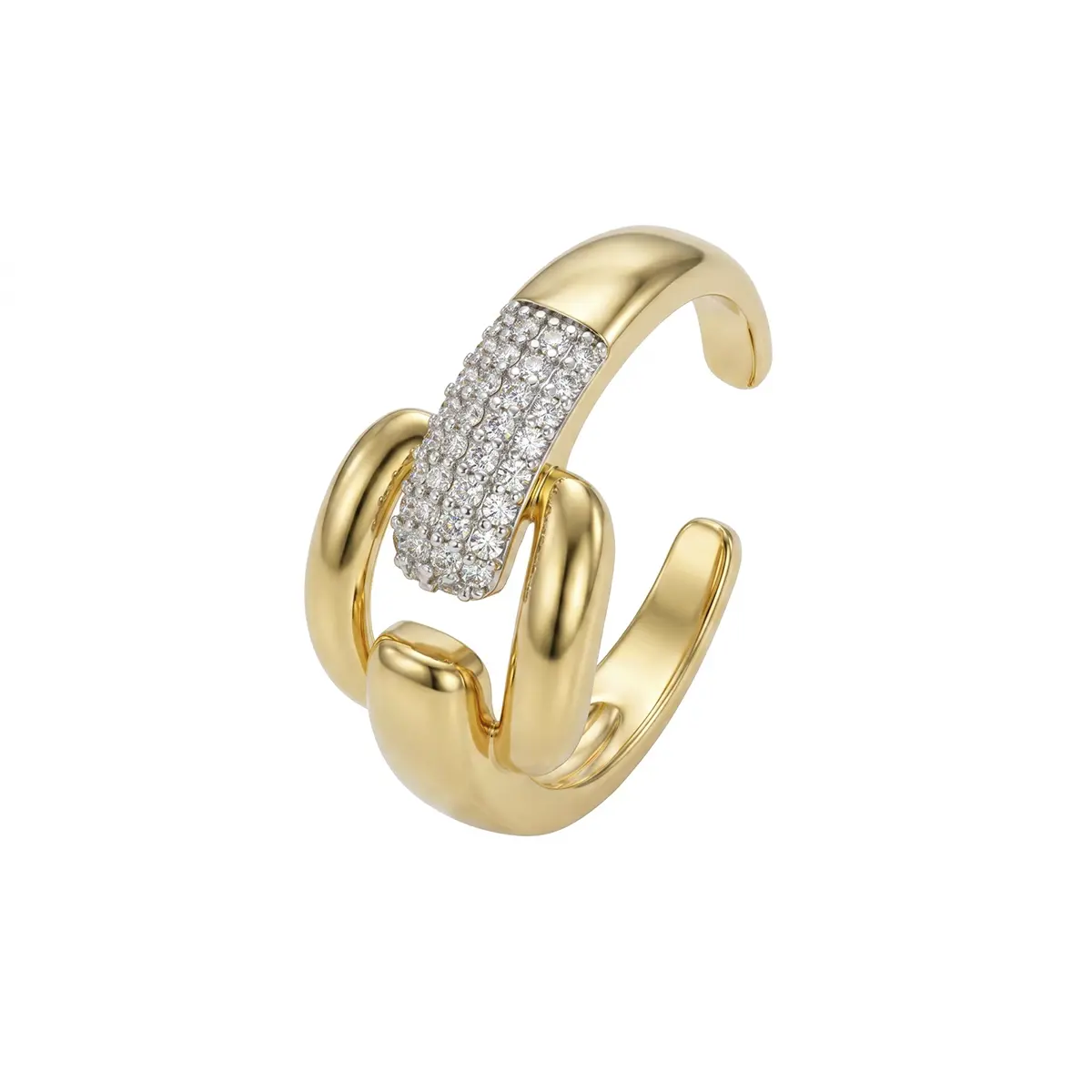
Global fashion retailers constantly face intense pressure to accelerate their design cycles. Enterprise buyers require reliable partners who deliver high-quality goods consistently. The market demands cost-effective manufacturing without sacrificing detailed craftsmanship. Therefore, international brands heavily depend on OEM jewelry bulk production in 2026. Modern fabrication facilities now utilize automated 3D wax printers for casting. These advanced machines create perfect molds for complex physical metal structures. An innovative technological shift allows brands to execute rapid product launches easily. Sourcing agents prefer streamlined workflows to minimize logistical delays. Advanced factories manage supply chains from raw metal to finished shipping boxes. Experienced teams oversee quality assurance to maintain strict international safety standards. Collaborative partnership options enable retailers to scale their businesses successfully.
Key Economic Benefits of OEM Jewelry Bulk Production
Technical Comparison of Casting and Stamping Methods
| Production Method | Dimensional Tolerance | Optimal Metal Types | Tooling Lifespan |
|---|---|---|---|
| Vacuum Casting | +/- 0.05 mm | 925 Sterling Silver, Brass | Roughly 500 uses |
| Hydraulic Stamping | +/- 0.02 mm | Stainless Steel, Copper | Over 50,000 uses |
Analyzing Production Efficiencies Across Diverse Casting Methods
Technological Drivers Behind OEM Jewelry Bulk Production
Essential Material Standards for Global Retail Chains
- Lead and Cadmium content must remain under 100 parts per million.
- Nickel release rates must register below 0.2 micrograms per square centimeter weekly.
- Silver alloys must contain at least 92.5 percent pure elemental silver.
- Gold plating must withstand standard artificial perspiration tests for 48 hours.
How Strict Material Standards Prevent Metal Degradation
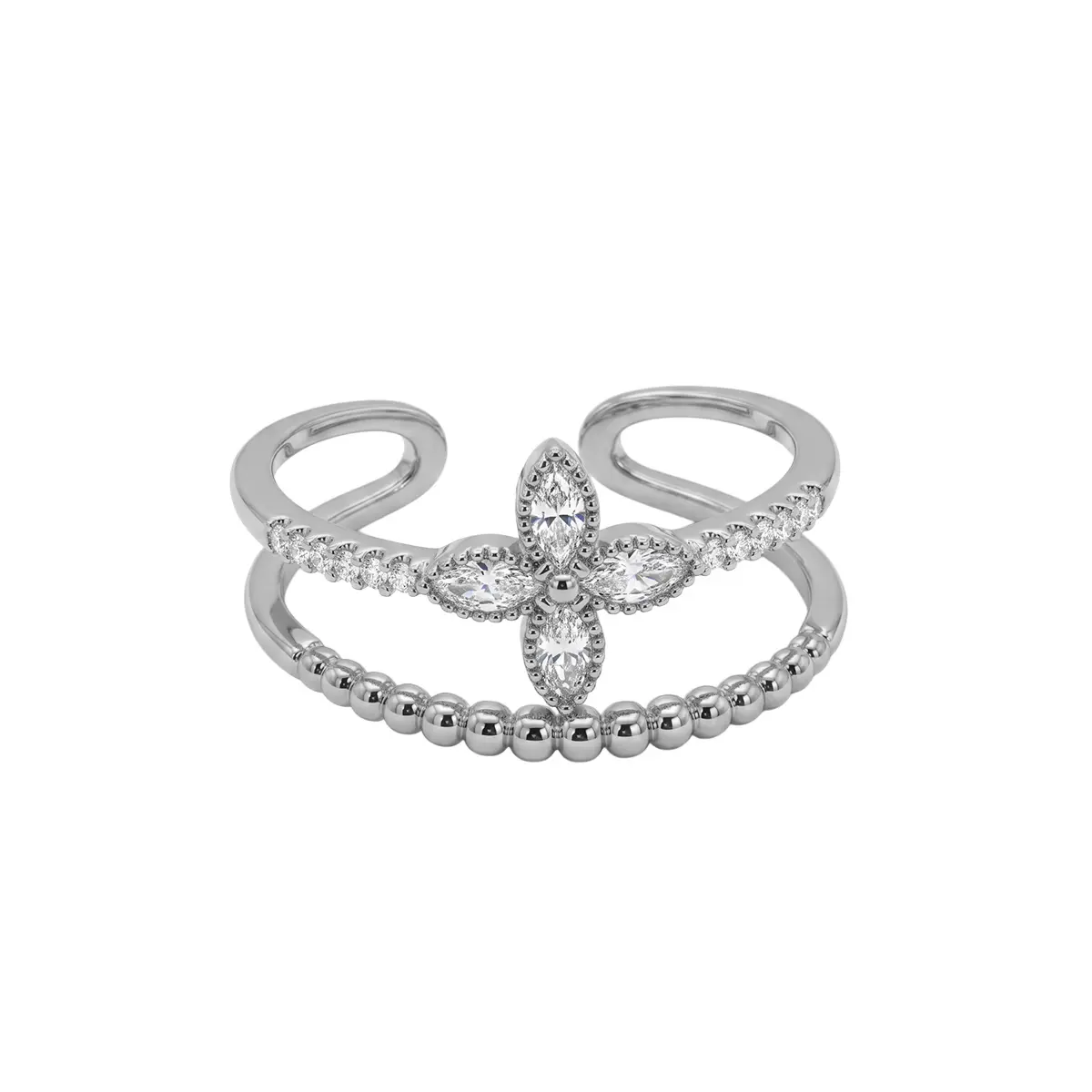
Factories use specialized spectrometers to analyze elemental composition before starting production. This step ensures every alloy batch meets the declared purity level. Moreover, sweat resistance testing guarantees that plating remains intact over time. Chemists submerge metal samples in synthetic acid solutions to observe degradation. Products that pass these tests resist corrosion from daily wear conditions. Retail brands avoid costly product recalls by enforcing these precise parameters. Sourcing departments build long-term consumer trust through such verified material safety.
Sustainability and Technical Specifications in Modern Sourcing
| Plating Type | Gold Thickness (Microns) | Salt Spray Test (Hours) | Expected Wear Life |
|---|---|---|---|
| Flash Plating | 0.1 - 0.2 | 24 Hours | Up to 6 Months |
| Micron Plating | 1.0 - 2.0 | 96 Hours | 1 to 2 Years |
| Vermeil Plating | At least 2.5 | 144 Hours | Over 3 Years |
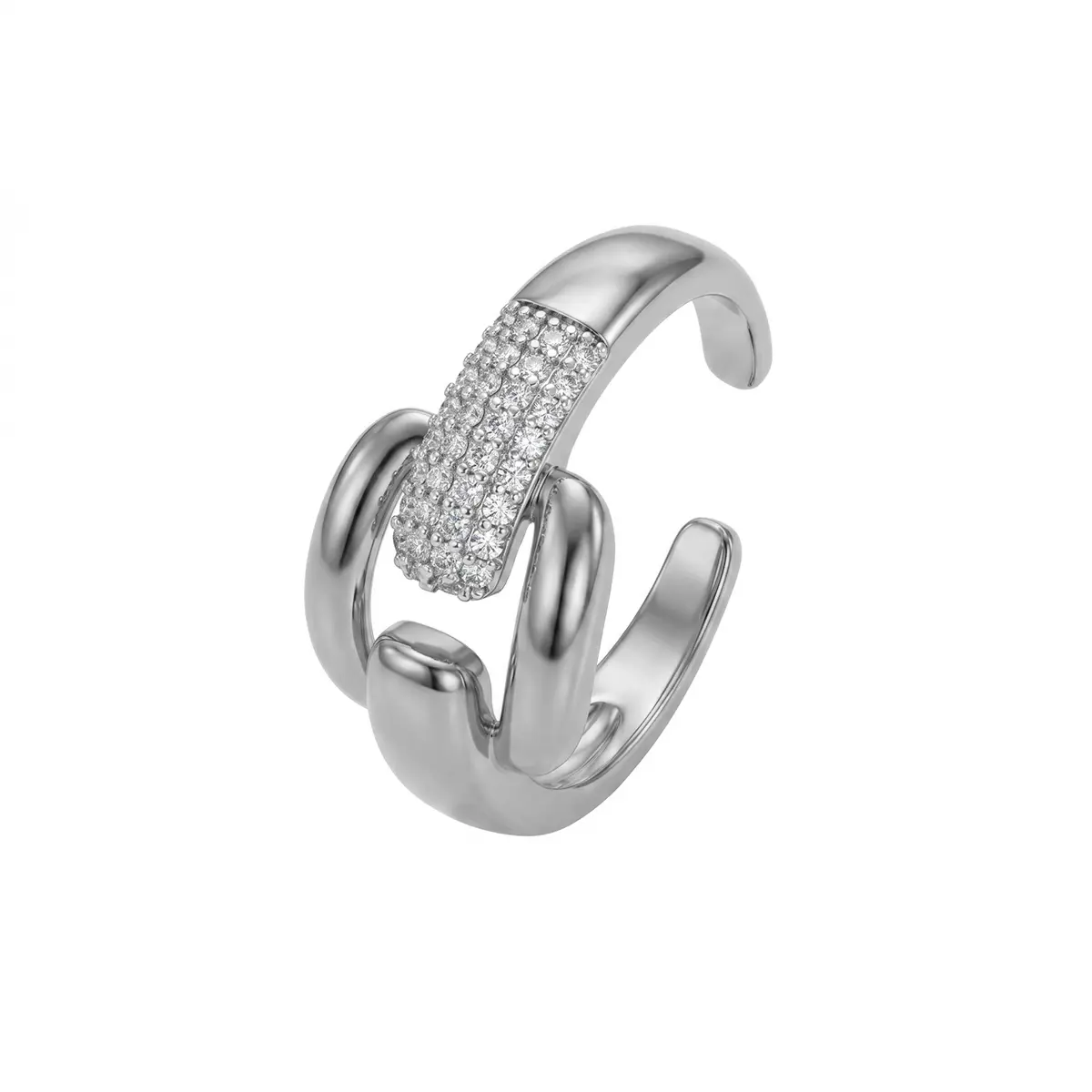
Measuring the Impact of Green Chemistry in Electroplating
Meeting Sustainability Demands with Recycled Precious Metals
Streamlining Logistics and Distribution for Retail Partners
FAQ
What is the minimum order quantity for custom plating runs?
How do automated polishing systems reduce surface roughness?
Which plating thicknesses ensure the longest wear life?