Why Is The Jewelry Plating Process Important?
-
Jewelry plating process improves durability, shine, and affordability, offering stylish, long-lasting jewelry options for everyday wear.
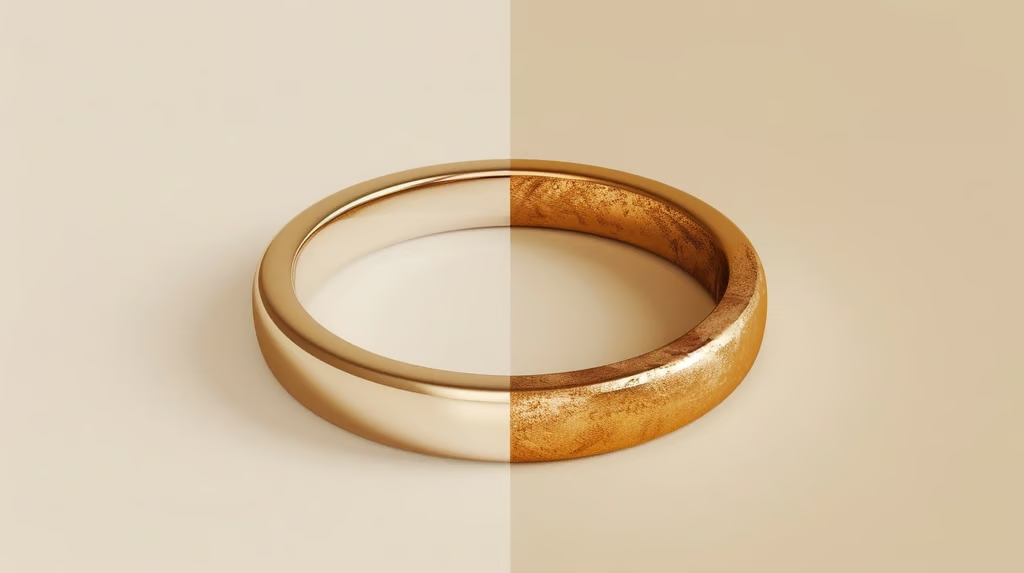
The jewelry plating process plays a critical role in modern jewelry design and accessibility. It allows manufacturers to create visually appealing pieces at affordable prices. Many consumers prefer plated jewelry because it offers the look of luxury metals. This process also enhances durability and protects the base material from damage. Skilled techniques ensure consistent color and smooth finishes across products. Buyers benefit from a wide range of styles and finishes. Additionally, plated jewelry supports fast-changing fashion trends. These advantages make the jewelry plating process essential for both aesthetics and functionality.
How the Jewelry Plating Process Enhances Appearance
A refined jewelry plating process significantly improves the visual appeal of jewelry pieces. It adds brilliance, depth, and a uniform finish that attracts attention. Gold and rhodium coatings create a premium look similar to solid metals.
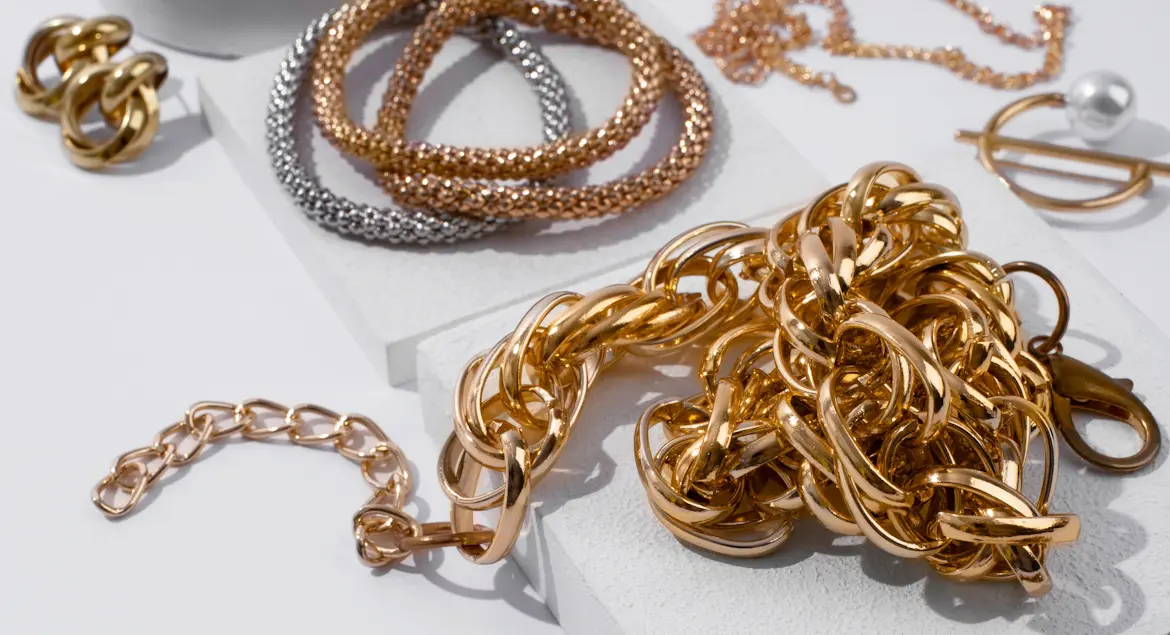
Each step affects the final quality of the jewelry piece. Proper cleaning ensures strong bonding between layers. Accurate electroplating creates an even and durable coating. Finishing techniques enhance shine and remove imperfections. When all steps are executed correctly, the result meets high standards. Consistency in this workflow ensures reliable outcomes for consumers.
Advantages of Choosing Plated Jewelry for Daily Use
Plated jewelry offers several practical benefits for everyday wear:
- Affordable pricing for frequent style changes
- Lightweight construction for comfort
- Wide variety of colors and finishes
- Enhanced resistance to tarnish and corrosion
- Easy replacement compared to expensive pieces
These advantages make plated jewelry suitable for daily lifestyles. Consumers can wear stylish pieces without high replacement costs. Comfort also improves due to lighter materials. The variety allows users to match jewelry with different outfits easily. Practical benefits combine with visual appeal to create strong value. Therefore, plated jewelry remains a popular choice among modern buyers.
Comparing Plated Jewelry and Solid Metal Pieces
| Feature | Plated Jewelry | Solid Metal Jewelry |
|---|---|---|
| Cost | Affordable | Expensive |
| Appearance | High-end look | Authentic luxury |
| Durability | Moderate | Very high |
| Maintenance | Requires care | Less frequent |
| Weight | Lightweight | Heavier |
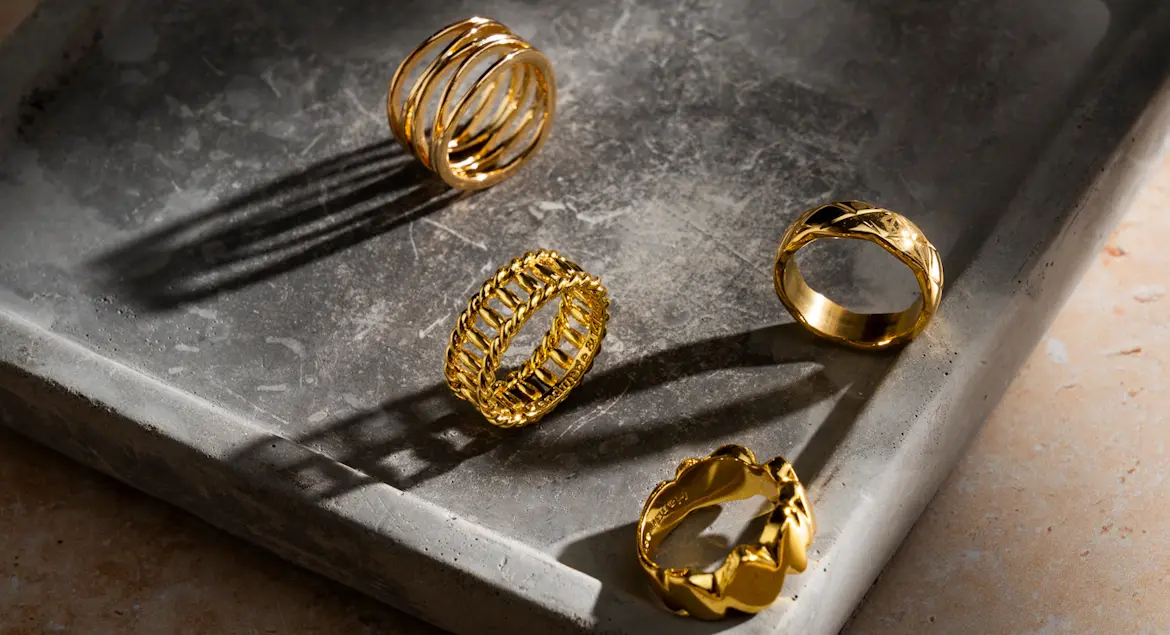
Plated and solid jewelry differ in several important aspects. Cost remains the most noticeable factor for most buyers. Plated options provide visual appeal at a lower investment. Solid metals offer long-term durability and intrinsic value. Maintenance requirements also vary depending on usage habits. Weight differences affect comfort during extended wear. Consumers should evaluate these factors before purchasing. Understanding these distinctions helps in selecting suitable jewelry.
Maintenance Tips to Preserve Plated Jewelry Quality
Proper care extends the life of plated jewelry significantly. Avoid exposure to water, perfumes, and harsh chemicals whenever possible. Store items in dry and separate compartments to prevent scratches. Clean pieces gently with a soft cloth after each use. Regular maintenance preserves shine and reduces coating wear. Removing jewelry before physical activities also helps prevent damage. Simple habits can make a noticeable difference over time. Consistent care ensures jewelry maintains its original appearance longer.
Factors That Influence Jewelry Plating Process Quality and Longevity
Several factors determine how well the jewelry plating process performs over time. Coating thickness plays a crucial role in durability and wear resistance. Thicker layers generally last longer under regular use. The quality of the base material also affects adhesion and stability.Advanced techniques improve uniformity and reduce defects. Environmental exposure can accelerate wear if not managed properly. Consumers should consider these elements when purchasing jewelry. Awareness of these factors leads to better long-term satisfaction.
Conclusion: Why the Jewelry Plating Process Matters in Jewelry Selection
The jewelry plating process remains essential in modern jewelry production. It balances beauty, cost, and durability for everyday consumers. Buyers benefit from stylish designs without excessive spending. The ability to maintain appearance over time adds significant value. Careful selection and proper maintenance enhance overall satisfaction. Understanding plating helps consumers make informed decisions. As trends evolve, plated jewelry continues to meet changing demands.
FAQ
How long does plated jewelry typically last?
Plated jewelry can last from several months to a few years. The lifespan depends on usage habits and plating thickness. Frequent exposure to moisture and chemicals can reduce durability quickly. High-quality plating with thicker layers tends to last longer. Proper care also plays an important role in extending lifespan.
Storing jewelry correctly and cleaning it regularly helps maintain the coating. Daily wear may cause gradual fading over time. Occasional use significantly improves longevity. Consumers should consider these factors when choosing plated pieces for long-term use.
Is plated jewelry safe for sensitive skin?
Plated jewelry can be safe for sensitive skin in many cases. Safety depends on the materials used in the base metal and coating. Hypoallergenic options like rhodium or gold plating reduce irritation risks. Some base metals may still cause reactions if the coating wears off. Choosing high-quality products helps minimize this concern. Consumers with allergies should check product specifications carefully before purchase. Regular maintenance also prevents exposure to underlying materials. Testing jewelry for short periods can help identify sensitivity. Overall, careful selection improves comfort and safety for sensitive users.
Can plated jewelry be re-plated after wear?
Re-plating is a common solution for restoring worn jewelry. Professional services can apply a new coating over the original piece. This process renews shine and improves appearance significantly. The cost of re-plating is usually lower than buying new jewelry. Condition of the base material affects the final result. Severe damage may require additional repair before plating. Regular re-plating helps maintain long-term usability. Many consumers choose this option to extend product life. Proper care after re-plating ensures better durability and continued visual appeal.